MD Anderson President Announces Retirement, Shares Leadership Transition Plans

The University of Texas (UT) MD Anderson Cancer Center is recognizing the leadership of President Peter WT Pisters, MD, following his announced plan to retire from MD Anderson to focus on the next chapter of his career. The UT System Board of Regents and Chancellor John M. Zerwas, MD, have named Jeffrey E. Lee, MD, Interim President, effective immediately. Dr. Pisters will work with Dr. Lee on a thoughtful transition through the end of September.
Spartalizumab-Based Triplet Improves Long-Term Overall Survival in BRAF V600–Mutant Melanoma
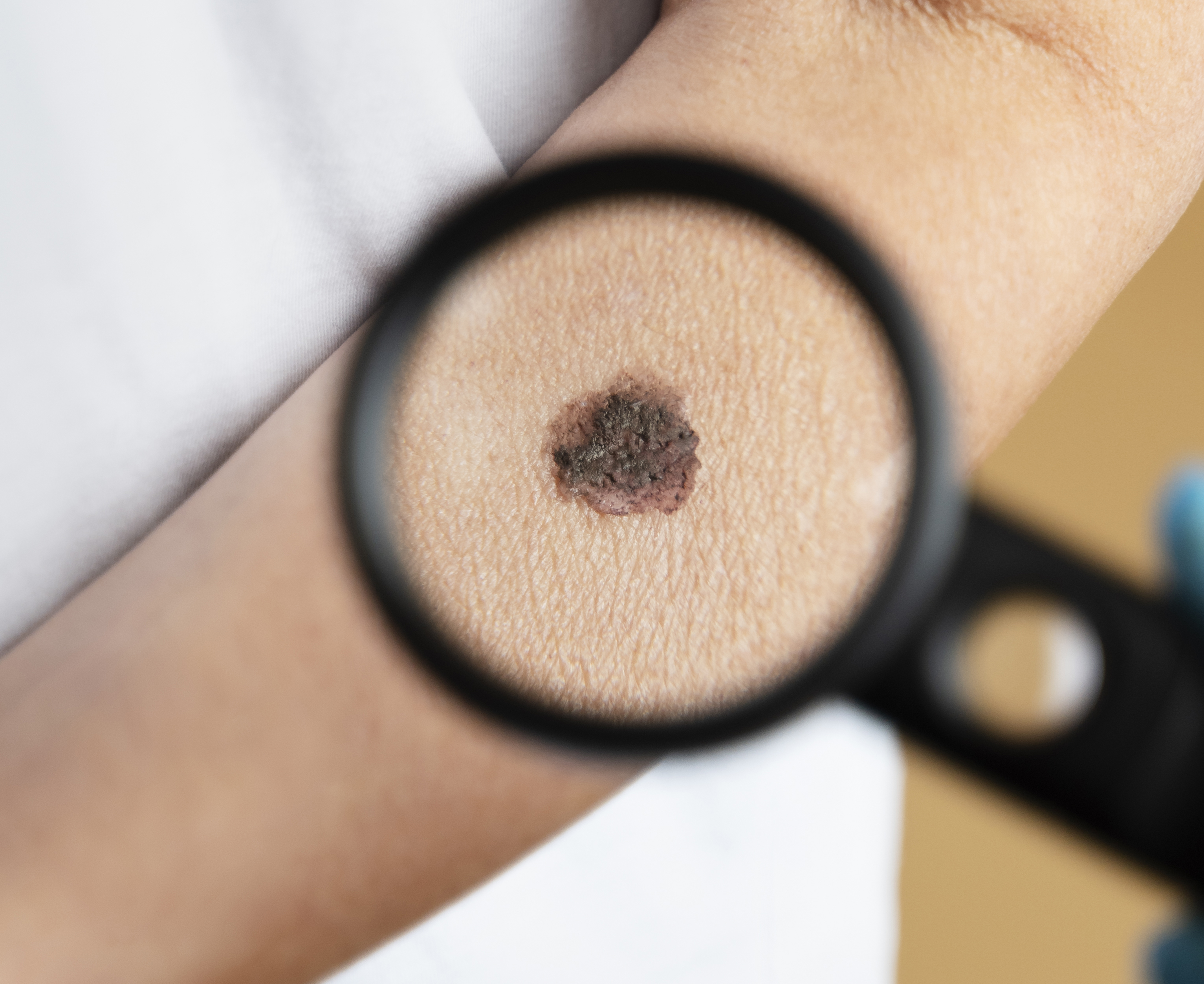
The addition of spartalizumab to dabrafenib and trametinib demonstrated a long-term survival benefit in patients with BRAF V600–mutant metastatic melanoma, according to the final overall survival analysis from the phase III COMBI-I trial published in the Journal of Clinical Oncology.
The 2026 ASCO Annual Meeting Geriatric Oncology Update: The Next Challenge Is Implementation

For more than a decade, geriatric oncology has evolved from a niche discipline into an evidence-based component of high-quality cancer care. Landmark randomized trials, including the Geriatric Assessment for Patients 70 Years and Older Starting Cancer Treatment (GAP70+) trial,1 the Geriatric Assessment-Driven Intervention (GAIN) trial,2 the Integrated Geriatric Assessment and Treatment Effectiveness (INTEGERATE) study,3 and the Geriatric Intervention in Frail Older Patients With Cancer Receiving Chemotherapy (GERICO) trial,4 have consistently demonstrated that geriatric assessment–guided interventions can reduce treatment toxicity, improve communication and patient-centered care, and support treatment decision-making for older adults with cancer.
ASCENT-04 Exploratory Analysis: Sacituzumab Govitecan Plus Pembrolizumab Improves PFS2, Delays Next Treatment
First-line treatment with the antibody-drug conjugate sacituzumab govitecan-hziy plus pembrolizumab led to a longer progression-free survival after next line of treatment—ie, progression-free survival–2 (PFS2)—than chemotherapy plus pembrolizumab in patients with previously untreated, PD-L1–positive advanced triple-negative breast cancer, according to an exploratory post hoc analysis of the phase III ASCENT-04/KEYNOTE-D19 trial1 presented at the 2026 ASCO Annual Meeting by Kevin Kalinsky, MD, MS, FASCO, Professor and Director in the Division of Medical Oncology and Co-Director of the Glenn Family Breast Center at Winship Cancer Institute of Emory University School of Medicine, Atlanta.
High-Risk Prostate Cancer: GETUG-AFU 18 Suggests a Role for Dose-Escalated Radiotherapy With Long-Term ADT



 Charles Bennett and colleagues: The Inflation Reduction Act and Ibrutinib
 Derek Raghavan: How I Discuss the Current Political Chaos When Patients Ask Health-Related Questions About It
 Narjust Florez and Coral Olazagasti: Silence Is Complicity
 Robert Peter Gale: Therapy With a TKI for EGFR-Variant Lung Adenocarcinoma: Lessons From CML?
 Raj Mohan on Kindness, Mercy, Empathy, Compassion: Are They Relevant in the Era of Robotics and AI?
Sponsored Content

SPONSORED BY LILLY MEDICAL AFFAIRS
From Results to Action: Leveraging Multidisciplinary Teams to Optimize NSCLC CareMore Top Stories
Surviving Cancer Put Me On a Career Path in Cancer Research
I was just 24 and in seemingly perfect health when I began experiencing unexplained abdominal pain so excruciating, even daily doses of pain medication failed to provide relief. I was a senior in college and had enrolled in a summer internship program at the University of California, Davis, when my ...
What Constitutes Clinical Expertise in an AI-Enabled Era?
In a keynote speech delivered recently at Cleveland Clinic's A.I. Summit for Healthcare Professionals, Pete Clardy, MD, of Google for Health, made the case that the rapid evolution currently underway in AI is unfolding as clinicians are also being asked to make decisions from an ever-expanding...
‘Save Research’ Campaign Champions Federal Funding
ASCO members are leading the way to make sure Congress understands the critical importance of federal cancer research funding before the September 30 federal funding deadline. “The People Behind the Progress,” an ASCO social media series, features members sharing how federal cancer research has...
20th Annual Award for Leadership in Personalized Medicine
The Personalized Medicine Coalition (PMC), a nonprofit organization dedicated to advancing personalized medicine, recently announced that physician-scientist Norman E. “Ned” Sharpless, MD, has been selected as the recipient of the 20th Annual Award for Leadership in Personalized Medicine,...
NSCLC: FDA Grants Accelerated Approval to Sevabertinib for Locally Advanced or Metastatic Nonsquamous Disease
Today, the U.S. Food and Drug Administration (FDA) granted accelerated approval to sevabertinib (Hyrnuo), a kinase inhibitor, for adult patients with locally advanced or metastatic nonsquamous non–small cell lung cancer (NSCLC) whose tumors have HER2 tyrosine kinase domain (TKD) activating...
Envafolimab Regimen Improves Pathologic Complete Response in MSS Locally Advanced Rectal Cancer
Adding the subcutaneous PD-L1 blocker envafolimab to short-course radiotherapy and CAPEOX (capecitabine and oxaliplatin) improved pathologic complete response (pCR) without a clear safety or surgical feasibility penalty in patients with microsatellite-stable (MSS) locally advanced rectal cancer,...
ESMO Announces 2026 Society Award Recipients
The European Society for Medical Oncology (ESMO) has announced the recipients of the 2026 ESMO Society Awards, recognizing four outstanding oncology professionals whose contributions have advanced cancer research, enhanced clinical care, and strengthened the global oncology community. ESMO Award...
