
I was just 24 and in seemingly perfect health when I began experiencing unexplained abdominal pain so excruciating, even daily doses of pain medication failed to provide relief. I was a senior in college and had enrolled in a summer internship program at the University of California, Davis, when my symptoms first appeared, and over the next 2 months the pain continued to escalate.
Physical examinations by several physicians were unsuccessful in determining the source of my ailment, and my sense of anxiety—and gloom—deepened. This should have been the happiest time in my life. I was studying biology in college with the idea of perhaps pursuing a career in medicine when the pain appeared and threatened to derail my future plans.
Finally, the results from full-body magnetic resonance imaging and computed tomography scans detected the problem. The tests showed a lesion on my T11 vertebra, which weakened the bone and was irritating and compressing the surrounding nerves in my abdomen, causing severe, tight bandlike pain.
I was put into a full-body cast to protect the bone and stabilize my spine until further tests could be performed to discover the cause of the problem. A bone marrow biopsy later confirmed early-stage non-Hodgkin lymphoma.
Improving Survival Rates
My oncologist prescribed 6 months of weekly infusions of a chemoimmunotherapy regimen that included rituximab, cyclophosphamide, doxorubicin, vincristine, and prednisone (R-CHOP), followed by 3 months of radiation therapy.
The treatment was grueling—and effective. I was fortunate. I survived the cancer and I remain in remission. But many other patients I had befriended during my treatment weren’t so lucky. Seeing their empty infusion chairs and getting phone calls from their family members telling me of their death propelled me into a career in cancer research to help improve survival rates for all patients with cancer through early detection, precision medicine, and treatment accessibility.
Giving Back
When I was undergoing treatment, I appreciated the concern and care I received from my oncologists. I was young and scared. Having my oncologists sit with me and explain my treatment protocol lessened that fear and gave me back a sense of control. They encouraged me to talk about the cancer, my treatment side effects, and their impact on my life, and they made me a partner in my care. Having the support of my family and friends was also instrumental in my convalescence, especially those who stayed by my side throughout my treatment, and I owe a debt of gratitude to them as well.
As I started to recover from the cancer and its treatment, a new career direction was forming. When I returned to college to complete my senior year after a 12-month delay, I was determined to concentrate my education on the field of oncology.
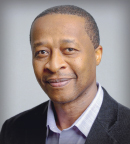
The treatment was grueling—and effective. I was fortunate. I survived the cancer and I remain in remission.— FAHMY A. MAMUYA, PhD, MBA
Tweet this quote
After graduating from college, I attended the University of Delaware, where I earned a doctorate degree in Biological Sciences, and later pursued a postdoctoral fellowship at Massachusetts General Hospital and Harvard Medical School. Currently, I’m leading translational research focused on developing cancer biomarkers and advancing liquid biopsy technologies for precision medicine with the goal of transforming cancer care and making a meaningful contribution to improving the lives of cancer survivors.
I also serve as the Ambassador Team Lead for the American Cancer Society Cancer Action Network. In addition to helping develop volunteer advocacy programs, I also lobby policymakers to improve access to biomarker testing and other critical cancer care legislation.
The work is rewarding and I’m happy to give back to an organization that supported me throughout my cancer diagnosis and continues to support me in my research work today.
Getting a Chance at a Cure
Having cancer changed the trajectory of my life and career, and made me appreciate the gift of good health. When you’re young, the prospect of having a life-threatening disease is impossible to contemplate.
My life went from being a carefree college student who loved playing soccer and hanging out with friends to nearly being wheelchair-bound, and there was a point during my cancer treatment when I completely lost hope. Surviving cancer has given me a renewed reverence for life and a deep understanding of the struggle many patients with cancer face.
I’m determined to use my experience as a cancer survivor to help other patients with the disease have what I’ve had: a chance at a cure.
Fahmy A. Mamuya, PhD, MBA, 46, is Director of Research and Development in Cancer Biomarkers and Liquid Biopsies at Quantitative Cell Diagnostix at the University of Connecticut Health Technology Program in Farmington, Connecticut.
Editor’s Note: Columns in the Patient’s Corner are based solely on information The ASCO Post received from patients and should be considered anecdotal.
