TACE Plus Thermal Ablation Improves Survival in Unresectable HCC
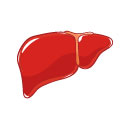
Transarterial chemoembolization (TACE) followed by thermal ablation was associated with improved survival outcomes compared with TACE alone in patients with liver-confined, unresectable hepatocellular carcinoma, according to findings from the phase III TORCH trial published by Lyu et al in JAMA Oncology.
Darovasertib Plus Crizotinib May Set New First-Line Standard in HLA-A2–Negative Metastatic Uveal Melanoma

First-line treatment with darovasertib plus crizotinib significantly improved progression-free survival and response rates compared with investigator’s choice of treatment in patients with HLA-A2–negative metastatic uveal melanoma, according to primary results from the phase IIb portion of the OptimUM-02 trial presented at the 2026 ASCO Annual Meeting.1
Early Intravesical Pirarubicin Improves Relapse-Free Survival in Upper Tract Urothelial Carcinoma

A single intravesical dose of the antracycline pirarubicin administered within 24 hours after radical nephroureterectomy significantly improved relapse-free survival in patients with upper tract urothelial carcinoma. The benefit was driven mainly by fewer new bladder tumors after surgery, while overall survival was unchanged. The phase III JCOG1403 trial was reported by Ito et al in The Lancet Oncology.
High-Risk ERBB2-Negative Breast Cancer: Adding Dual Checkpoint Blockade to Neoadjuvant Chemotherapy

The addition of dual PD-1 and LAG-3 inhibition with cemiplimab-rwlc and fianlimab to standard paclitaxel-based neoadjuvant chemotherapy resulted in improved pathologic complete response rates in patients with early-stage, high-risk ERBB2 (formerly HER2 or HER2/neu)-negative breast cancer, according to results from the ongoing phase II I-SPY2 trial. The benefit was reported to be particularly marked in those with an immune-positive signature, providing a potential biomarker of treatment response.
FDA Approves CELMoD Combination Regimen for Pretreated Multiple Myeloma

On August 13, the U.S. Food and Drug Administration (FDA) granted accelerated approval to iberdomide (Zenbexus), a cereblon-modulating protein degrader (CELMoD), in combination with daratumumab and hyaluronidase-fihj plus dexamethasone for adults with multiple myeloma who have received at least one prior line of therapy including a proteasome inhibitor and an immunomodulatory agent.

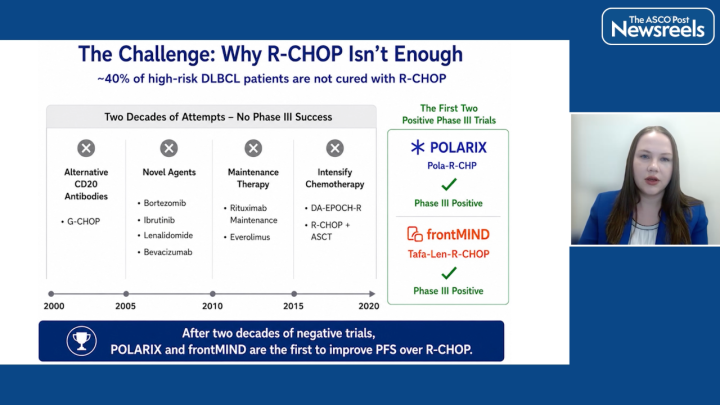

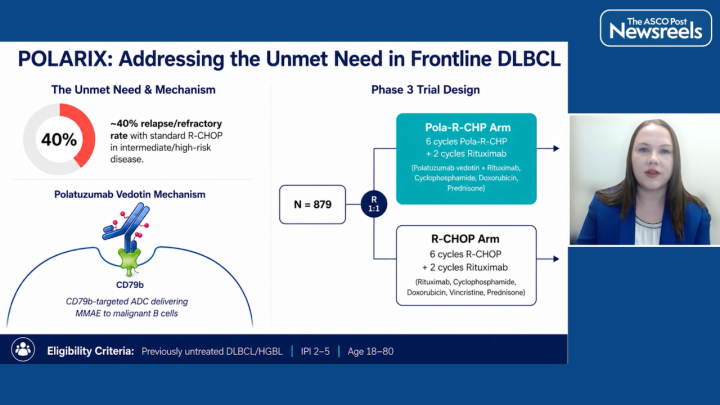
 Charles Bennett and colleagues: The Inflation Reduction Act and Ibrutinib
 Derek Raghavan: How I Discuss the Current Political Chaos When Patients Ask Health-Related Questions About It
 Narjust Florez and Coral Olazagasti: Silence Is Complicity
 Robert Peter Gale: Therapy With a TKI for EGFR-Variant Lung Adenocarcinoma: Lessons From CML?
 Raj Mohan on Kindness, Mercy, Empathy, Compassion: Are They Relevant in the Era of Robotics and AI?
Sponsored Content

SPONSORED BY LILLY MEDICAL AFFAIRS
From Results to Action: Leveraging Multidisciplinary Teams to Optimize NSCLC CareMore Top Stories
Phase III OPTIMA Trial: Many Patients With ER-Positive, HER2-Negative Breast Cancer May Be Able to Avoid Chemotherapy
New results from the international, randomized, phase III OPTIMA trial indicate that select patients with clinically high-risk, estrogen receptor–positive, HER2-negative early breast cancer who have a low risk of recurrence based on tumor gene expression testing may be able to safely avoid...
Cleveland Clinic President Discusses Friday’s AI Summit for Health-Care Professionals
Artificial intelligence (AI) is one of the most transformative technological advancements of our time, poised to revolutionize every aspect of our lives, including health care. On August 28, Cleveland Clinic, in collaboration with the College of Healthcare Information Management Executives (CHIME), ...
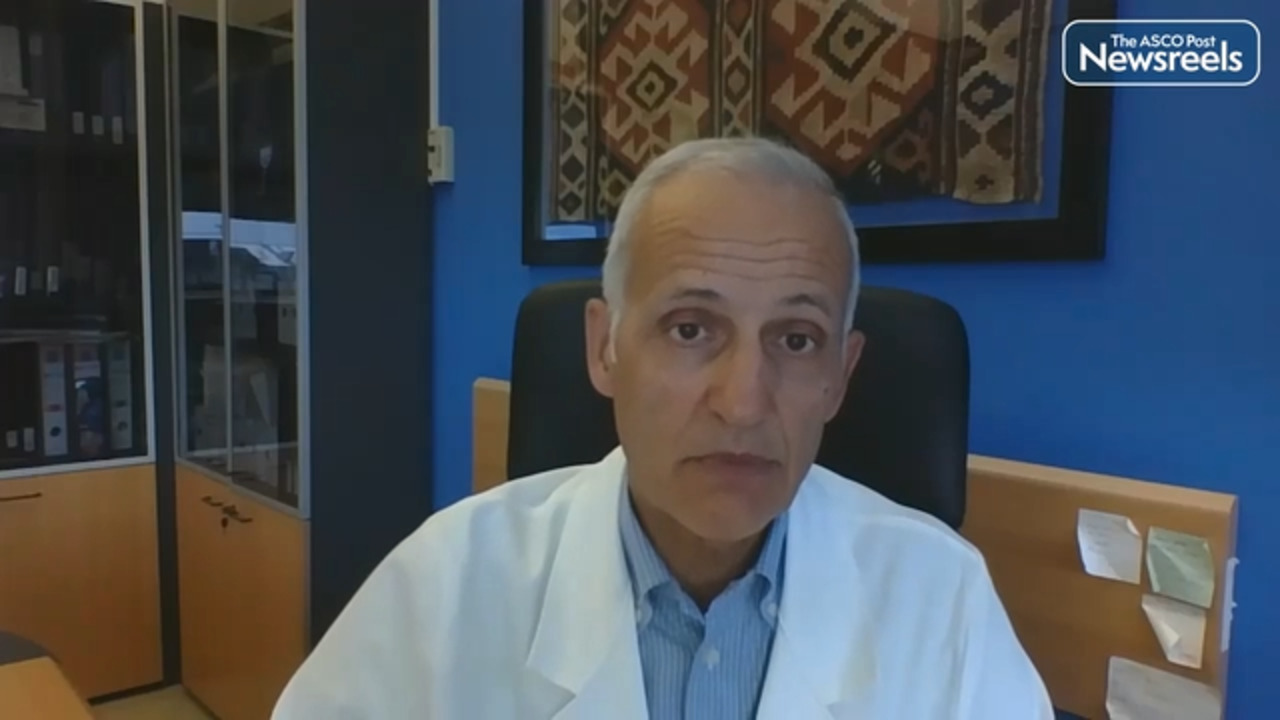
Lori J. Pierce, MD, FASCO, Named Distinguished University Professor, University of Michigan
University of Michigan (U-M) Professor Lori J. Pierce, MD, is one of six U-M faculty members recognized for their outstanding teaching and service with one of the university’s prestigious honors, the Distinguished University Professorship. Lori J. Pierce, MD The U-M Board of Regents recently ...
Cancer Epidemiologist Joseph F. Fraumeni, Jr, MD, Dies at 93
The oncology community is mourning the loss of renowned physician-scientist and cancer epidemiologist Joseph F. Fraumeni, Jr, MD, who died on June 22, 2026, at the age of 93. During a career spanning more than 5 decades at the National Cancer Institute (NCI), Dr. Fraumeni fundamentally changed the...
FDA Approves Daraxonrasib for Metastatic Pancreatic Adenocarcinoma
On August 26, the U.S. Food and Drug Administration (FDA) approved daraxonrasib (Rasonque), an inhibitor of the RAS GTPase family, for adults with metastatic pancreatic adenocarcinoma who have received at least one prior systemic therapy or who are not candidates for multiagent systemic therapy....

Living Guideline Adds Repotrectinib and Zongertinib as Treatment Options for Advanced NSCLC With Driver Alterations
ASCO has issued a new update to its Living Guideline on therapy for stage IV non–small cell lung cancer (NSCLC) with driver alterations, including new recommendations for two therapies: repotrectinib, a ROS1 tyrosine kinase inhibitor (TKI), and zongertinib, a HER2-selective, EGFR-sparing TKI.1 The...
Dr. Gary R. Morrow, a Pioneer in Cancer Research, Dies at 82
Gary R. Morrow, PhD, MS Gary R. Morrow, PhD, MS, died on July 7, 2026, at age 82, from complications due to pneumonia and a 16-year history of prostate cancer, according to an obituary shared by his family. Over nearly 5 decades at the University of Rochester Wilmot Cancer Institute, Dr....
