TACE Plus Thermal Ablation Improves Survival in Unresectable HCC
Transarterial chemoembolization (TACE) followed by thermal ablation was associated with improved survival outcomes compared with TACE alone in patients with liver-confined, unresectable hepatocellular carcinoma, according to findings from the phase III TORCH trial published by Lyu et al in JAMA Oncology.
Darovasertib Plus Crizotinib May Set New First-Line Standard in HLA-A2–Negative Metastatic Uveal Melanoma

First-line treatment with darovasertib plus crizotinib significantly improved progression-free survival and response rates compared with investigator’s choice of treatment in patients with HLA-A2–negative metastatic uveal melanoma, according to primary results from the phase IIb portion of the OptimUM-02 trial presented at the 2026 ASCO Annual Meeting.1
Early Intravesical Pirarubicin Improves Relapse-Free Survival in Upper Tract Urothelial Carcinoma

A single intravesical dose of the antracycline pirarubicin administered within 24 hours after radical nephroureterectomy significantly improved relapse-free survival in patients with upper tract urothelial carcinoma. The benefit was driven mainly by fewer new bladder tumors after surgery, while overall survival was unchanged. The phase III JCOG1403 trial was reported by Ito et al in The Lancet Oncology.
High-Risk ERBB2-Negative Breast Cancer: Adding Dual Checkpoint Blockade to Neoadjuvant Chemotherapy

The addition of dual PD-1 and LAG-3 inhibition with cemiplimab-rwlc and fianlimab to standard paclitaxel-based neoadjuvant chemotherapy resulted in improved pathologic complete response rates in patients with early-stage, high-risk ERBB2 (formerly HER2 or HER2/neu)-negative breast cancer, according to results from the ongoing phase II I-SPY2 trial. The benefit was reported to be particularly marked in those with an immune-positive signature, providing a potential biomarker of treatment response.
FDA Approves CELMoD Combination Regimen for Pretreated Multiple Myeloma

On August 13, the U.S. Food and Drug Administration (FDA) granted accelerated approval to iberdomide (Zenbexus), a cereblon-modulating protein degrader (CELMoD), in combination with daratumumab and hyaluronidase-fihj plus dexamethasone for adults with multiple myeloma who have received at least one prior line of therapy including a proteasome inhibitor and an immunomodulatory agent.

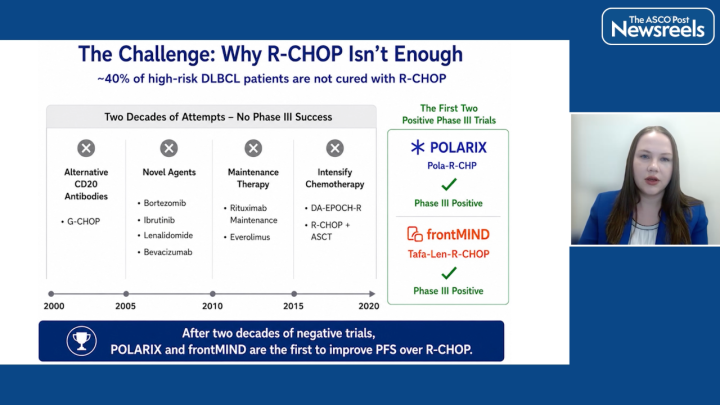

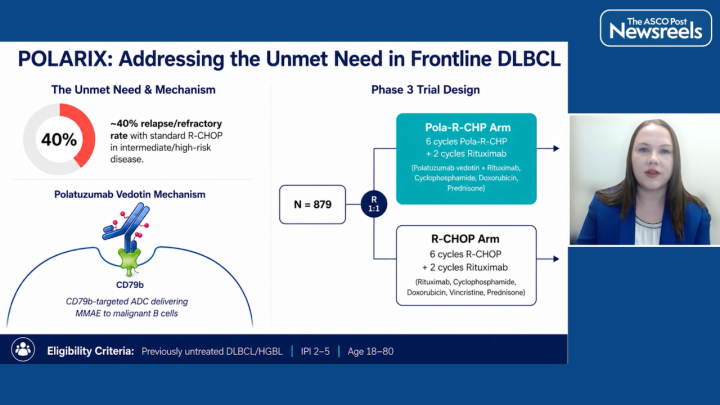

 Charles Bennett and colleagues: The Inflation Reduction Act and Ibrutinib
 Derek Raghavan: How I Discuss the Current Political Chaos When Patients Ask Health-Related Questions About It
 Narjust Florez and Coral Olazagasti: Silence Is Complicity
 Robert Peter Gale: Therapy With a TKI for EGFR-Variant Lung Adenocarcinoma: Lessons From CML?
 Raj Mohan on Kindness, Mercy, Empathy, Compassion: Are They Relevant in the Era of Robotics and AI?
Sponsored Content

SPONSORED BY LILLY MEDICAL AFFAIRS
Treatment Considerations for Relapsed/Refractory CLL in the Post-cBTKi SettingMore Top Stories
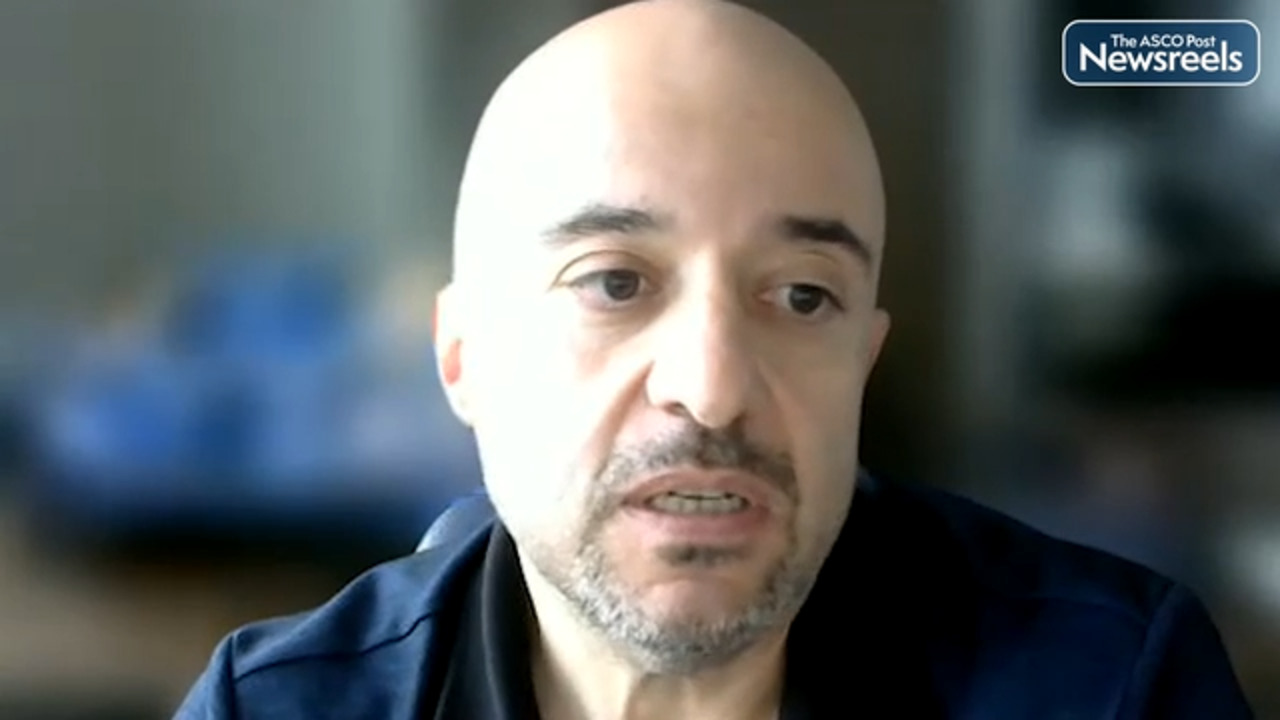
Discovery Is an Act of Hope: Remembering Dr. Maura Gillison’s Pursuit of Truth
Maura L. Gillison, MD, PhD Maura Gillison did not chase awards. She chased answers, and especially clinically impactful answers. That distinction between the pursuit of recognition and the pursuit of truth defined everything about her as a scientist, a clinician, and a person. She was direct...
Adding a Radiopharmaceutical to Standard Therapy in mRCC Does Not Improve Skeletal Events
The addition of radium-223, an alpha-emitting bone-seeking radioisotope, to cabozantinib, a tyrosine kinase inhibitor, did not improve skeletal-related outcomes in patients with metastatic renal cell carcinoma and bone metastases, according to findings from the randomized phase II RADICAL trial...

ASCO Publishes First Guideline on ctDNA Testing in Solid Tumors and Lymphoma
A panel of ASCO experts voted to approve ASCO’s first guideline on ctDNA testing in patients with solid tumors or lymphoma on November 18, 2025.1 The guideline addresses four overarching clinical questions: when ctDNA testing should (or should not) be used to (1) support cancer diagnosis; (2)...
The Fear of Having Cancer Never Goes Away
There is a strong history of breast cancer in my family, and the fact that I have dense breasts adding to my risk of developing the disease, kept me vigilant about getting a yearly mammogram screening since I turned 32. The test never showed any suspicious lesions over the last nearly 2 decades,...
Charles W.M. Roberts, MD, PhD, Named President and Chief Executive Officer of St. Jude Children’s Research Hospital
The Board of Governors of St. Jude Children’s Research Hospital have announced Charles W.M. Roberts, MD, PhD, Executive Vice President and current Director of the St. Jude Comprehensive Cancer Center, as its next President and Chief Executive Officer. The announcement follows an extensive...

Electronic Prior Authorization Requirements for Drugs
The Association for Clinical Oncology (ASCO) submitted formal comments (see https://bit.ly/4xYRg1j) to the Centers for Medicare & Medicaid Services (CMS) in response to the 2026 CMS Interoperability Standards and Prior Authorization for Drugs proposed rule. If finalized, this rule will require...
Is Excess Adiposity Linked to Vertebral Fracture Progression in Aromatase Inhibitor–Treated Early Breast Cancer?
Among patients with early breast cancer receiving aromatase inhibitors, excess adiposity emerged as a novel risk factor for vertebral fracture progression, whereas higher muscle mass was protective, according to a retrospective cohort study by Schivardi et al published in JAMA Network Open. “These...
