Othman Al-Sawaf, MD, PhD, on Previously Untreated CLL: Fixed-Duration vs Continuous Targeted Treatment
ASH 2025
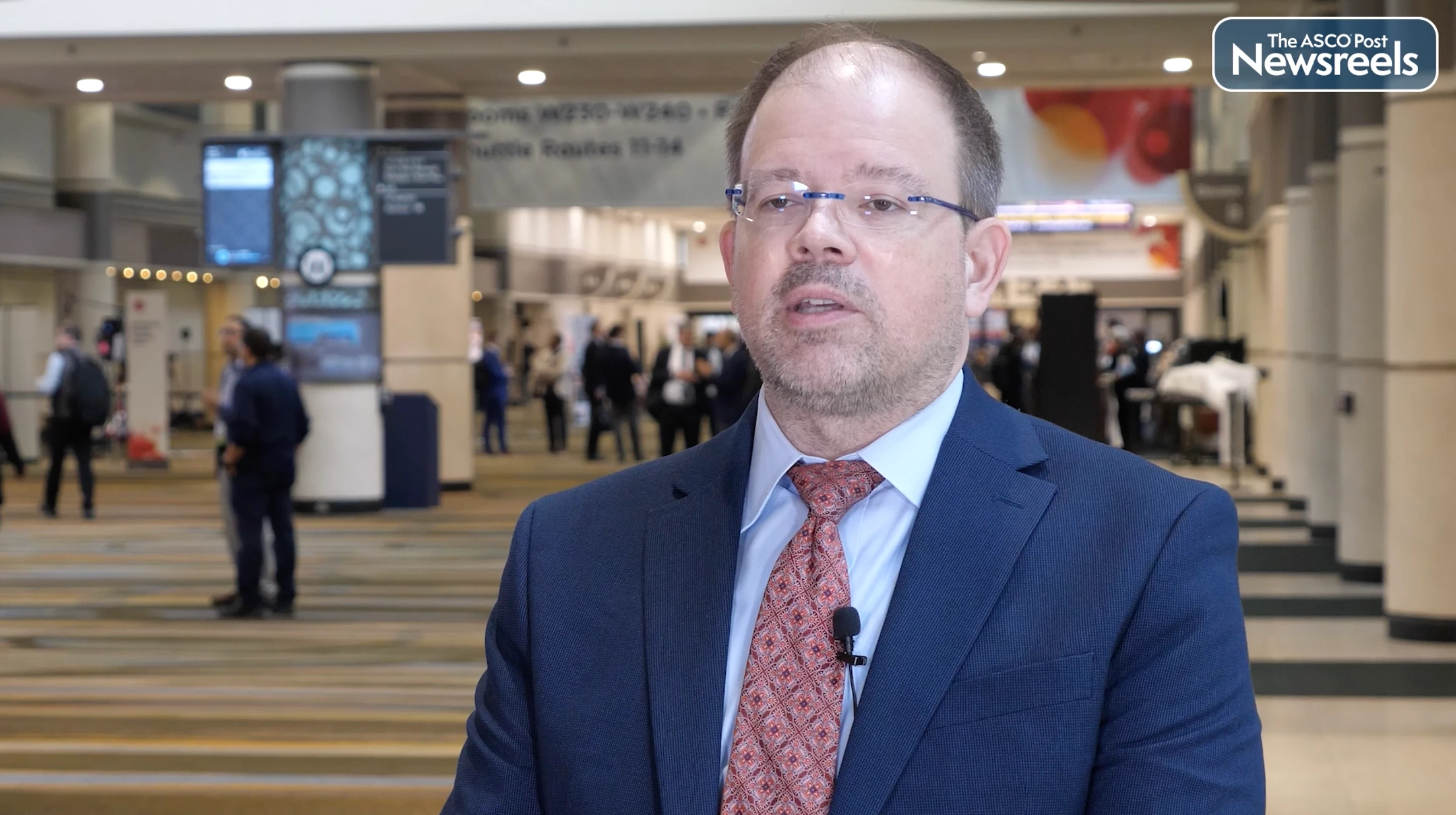
Othman Al-Sawaf, MD, PhD, of the University Hospital of Cologne, presents results from the phase III CLL17 trial, which compared continuous ibrutinib monotherapy to fixed-duration venetoclax plus obinutuzumab to fixed-duration venetoclax plus ibrutinib for previously untreated patients with chronic lymphocytic leukemia (CLL) (Abstract 1).
The ASCO Post Staff
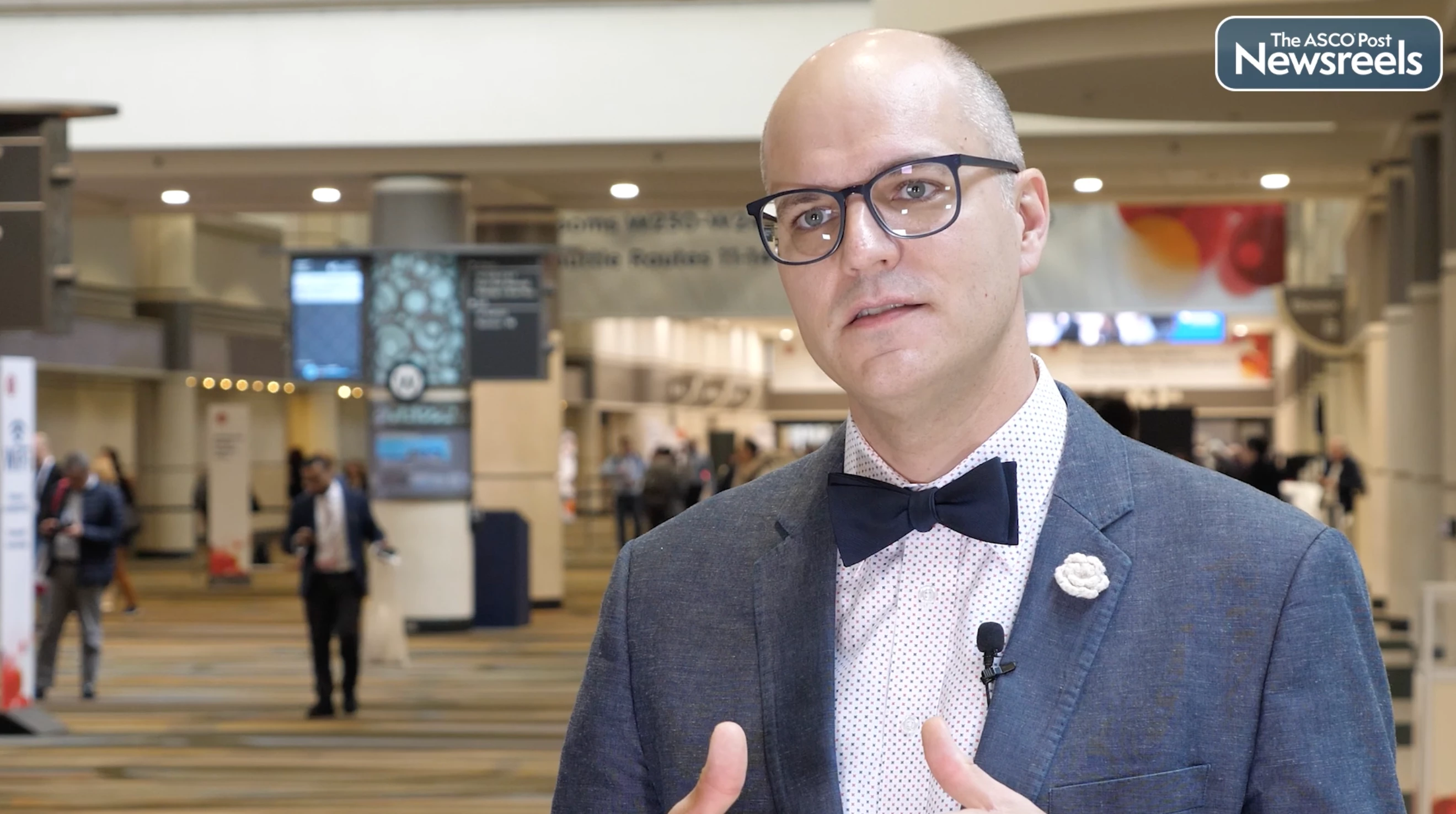
Aaron Logan, MD, PhD, of UCSF Health, discusses research examining the effect of transplant before or after treatment with brexucabtagene autoleucel in the real world for adult patients with relapsed or refractory Philadelphia chromosome–negative B-cell acute lymphoblastic leukemia (ALL) (Abstract 516).
The ASCO Post Staff
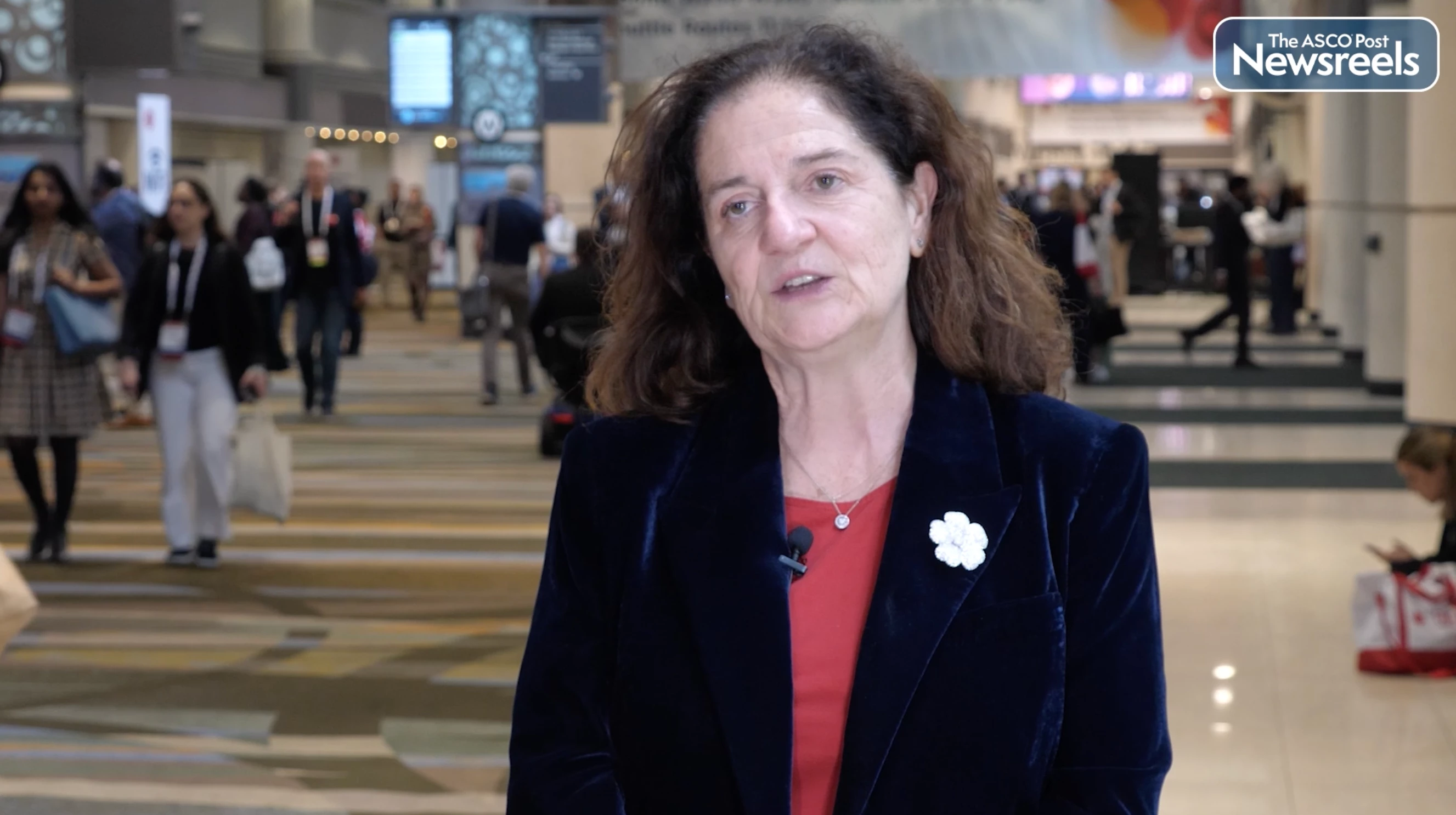
The telomerase inhibitor imetelstat was approved for the treatment of certain patients with lower-risk myelodysplastic syndromes (MDS) based on the results of the phase III IMerge trial. Valeria Santini, MD, of the University of Florence, provides updates on secondary endpoints, including overall and progression-free survival; progression to acute myeloid leukemia; safety; and long-term outcomes by subgroups of interest in IMerge, as well as ad hoc outcomes, including overall survival by response (Abstract 2074).
The ASCO Post Staff
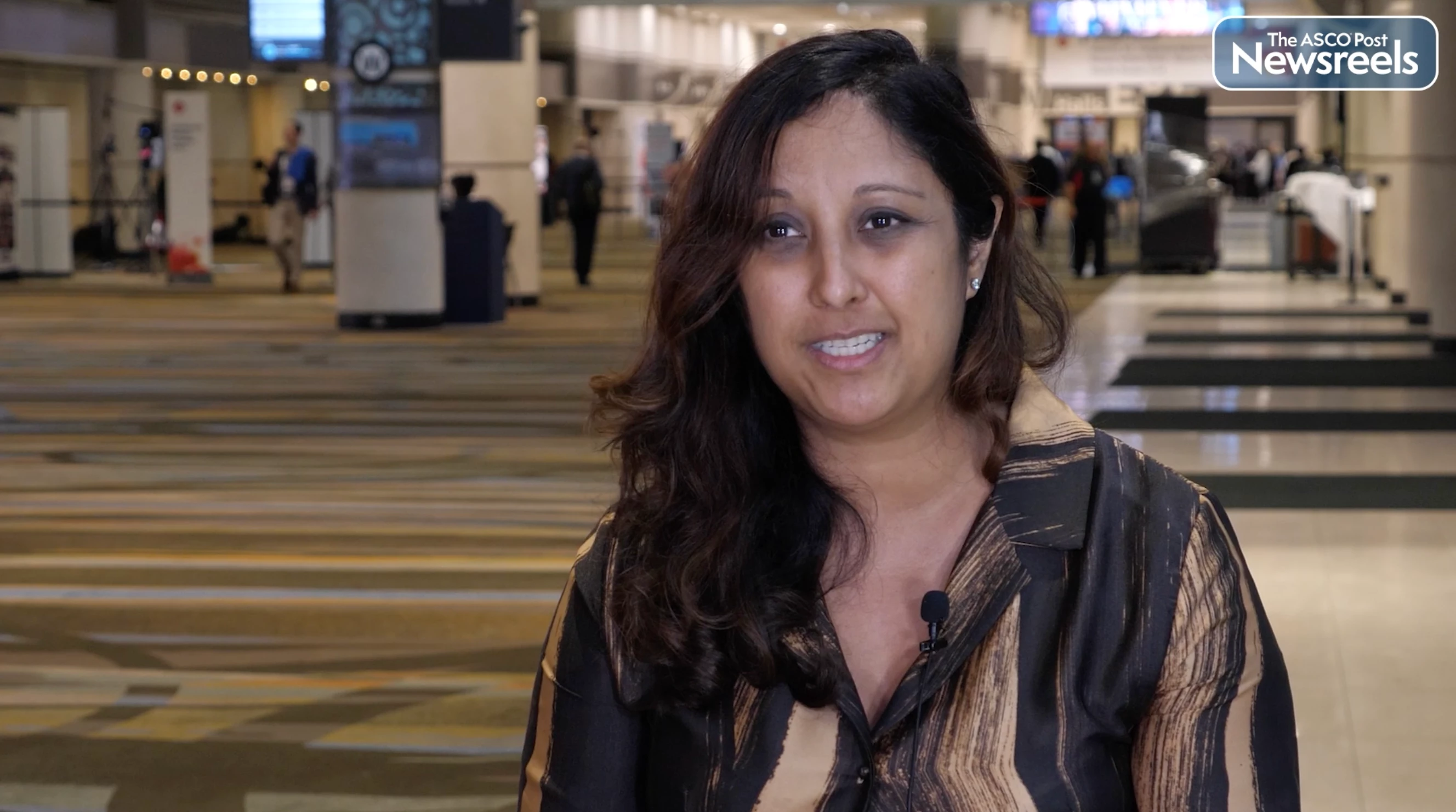
Krina Patel, MD, MSc, of The University of Texas MD Anderson Cancer Center, provides updated results from the fully enrolled, ongoing iMMagine-1 phase II registrational trial of anitocabtagene autoleucel, an autologous anti-BCMA CAR T-cell therapy with a novel D-domain binder. The agent is under development for patients with relapsed and/or refractory multiple myeloma (Abstract 256).
The ASCO Post Staff
Aaron Gerds, MD, of Cleveland Clinic, reviews results of an evaluation of Synapsis AI, a medically trained, large language model–based end-to-end system, focusing on its accuracy and efficiency in identifying eligible patients for an active phase III polycythemia vera clinical trial (Abstract 4340).
The ASCO Post Staff
Amer Zeidan, MBBS, of Yale School of Medicine, discusses findings from an analysis of the IMerge trial, which explored the possible association between imetelstat-related cytopenias and hemoglobin increase—a measure linked to red blood cell transfusion independence achievement—in patients with lower-risk myelodysplastic syndromes (MDS) (Abstract 490).