New Prognostic Model May Improve Risk Classification in Metastatic Clear Cell RCC

A new prognostic model developed for the checkpoint inhibitor era showed better discrimination of survival outcomes in patients with previously untreated metastatic clear cell renal cell carcinoma (RCC) than the widely used International Metastatic RCC Database Consortium (IMDC) model. The findings, reported by Anke Richters, PhD, and colleagues, were published in The Lancet Oncology.
Adding Targeted Immunotherapy to Pembrolizumab in Recurrent or Metastatic HPV16-Positive Head and Neck Squamous Cell Carcinoma

Based on the results of the nonrandomized multicenter phase II VERSATILE-002 trial reported in JAMA Oncology, a regimen adding the human papillomavirus type 16 (HPV16)-targeted immunotherapy PDS0101 to pembrolizumab demonstrated antitumor activity in immune checkpoint inhibitor–naive patients with recurrent or metastatic HPV16-positive head and neck squamous cell carcinoma. Weiss et al also reported a manageable safety profile.
Short-Course SBRT Better Preserves Physical Function Before Pancreatic Cancer Surgery
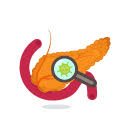
Patients preparing for pancreatic cancer surgery maintained better physical function and experienced less fatigue with 5 treatments of stereotactic body radiation therapy (SBRT) than with 28 treatments of conventional radiation therapy given with chemotherapy, according to findings of a randomized phase II clinical trial. Rates of cancer remaining in the lymph nodes after preoperative treatment, the trial’s primary endpoint, did not differ significantly between the groups. Results were presented at the 2026 American Society for Radiation Oncology (ASTRO) Annual Meeting (Abstract LBA 08).
Excess Mortality Halts Trial of Venetoclax Added to DA-EPOCH-R in Double-Hit Lymphoma

Adding venetoclax to dose-adjusted EPOCH-R (DA-EPOCH-R) did not improve progression-free survival and resulted in excess toxicity and mortality among patients with newly diagnosed double-hit lymphoma, prompting early closure of the double-hit lymphoma cohort of the randomized ALLIANCE A051701 trial. Results reported by Abramson et al were published in The Lancet Haematology.
FDA Advisory Committee Votes in Favor of Approval of Multi-Cancer Early Detection Test

A multi-cancer early detection test named Galleri from the health-care company GRAIL received a favorable vote from the Molecular and Clinical Genetics Devices Panel of the U.S. Food and Drug Administration (FDA) Medical Devices Advisory Committee. The Committee voted for approval of the premarket approval application for the early detection test, according to a statement released by the company.




 Charles Bennett and colleagues: The Inflation Reduction Act and Ibrutinib
 Derek Raghavan: How I Discuss the Current Political Chaos When Patients Ask Health-Related Questions About It
 Narjust Florez and Coral Olazagasti: Silence Is Complicity
 Robert Peter Gale: Therapy With a TKI for EGFR-Variant Lung Adenocarcinoma: Lessons From CML?
 Raj Mohan on Kindness, Mercy, Empathy, Compassion: Are They Relevant in the Era of Robotics and AI?
Sponsored Content

SPONSORED BY LILLY MEDICAL AFFAIRS
From Results to Action: Leveraging Multidisciplinary Teams to Optimize NSCLC CareMore Top Stories
Building Momentum: ASCO’s Geriatric Oncology CoP
The ASCO Geriatric Oncology Community of Practice (geriatric oncology CoP) convened for its first in-person meeting at McCormick Place in Chicago in May 2026. Since its inception in 2022, the geriatric oncology CoP has brought together clinicians, researchers, trainees, and patient advocates...
Even Highly Curable Childhood Leukemias Take a Substantial Toll on Families, Study Finds
New research published by Rodwin et al in JNCCN—Journal of the National Comprehensive Cancer Network has found that families of children receiving treatment for B-cell acute lymphoblastic leukemia (ALL) experience substantial and lasting challenges beginning early after diagnosis, according to a...
Old Habits Die Hard: Project Optimus and the Next Generation of KRAS G12C Inhibitors
The recent announcement1 that divarasib, a next-generation KRAS G12C inhibitor, improved both progression-free and overall survival compared with first-generation KRAS G12C inhibitors (ie, sotorasib, adagrasib) is an important scientific milestone in the treatment of KRAS G12C–mutated non–small...
I Wasn’t Expecting Cancer at 22
Before I was diagnosed with advanced stage ovarian ependymoma, in 2025, when I was just 22, I didn’t know anything about cancer. I knew a few older adults who had had cancer, but that was the extent of my knowledge about the disease. Even to this day, I’m not sure I’ve completely wrapped my head...
Iberdomide Triplet Improves MRD-Negative Complete Response in Relapsed/Refractory Multiple Myeloma
Iberdomide combined with daratumumab and dexamethasone nearly doubled the rate of minimal residual disease (MRD)-negative complete response compared with daratumumab, bortezomib, and dexamethasone in patients with relapsed or refractory multiple myeloma. Lonial et al reported the primary MRD...

Guideline Update Recommends Tailoring Breast Cancer Surveillance Based on Recurrence Risk
ASCO has published a guideline update offering clinicians new recommendations for breast cancer follow-up and surveillance after primary treatment.1 For this patient population, determining the optimal frequency and timing of visits can be a challenge, according to Expert Panel Co-Chair Maryam...
ASCO 2026: Lung Cancer Specialist Apar Kishor Ganti, MD, Shares His Insights
The 2026 ASCO Annual Meeting featured numerous high-impact studies in lung cancer. To help readers identify the presentations with the greatest potential to influence clinical practice, The ASCO Post asked lung cancer specialist Apar Kishor Ganti, MD, MS, FASCO, to share his top picks. Dr. Ganti is ...
