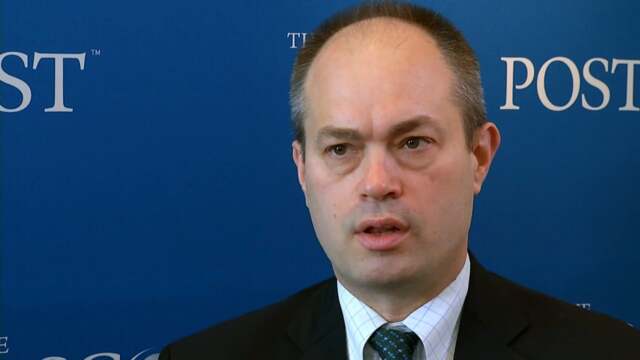
Leora Horn, MD, MSc, on Targeted and Emerging Therapies for Metastatic NSCLC
2015 NCCN Annual Conference
Leora Horn, MD, MSc, of the Vanderbilt-Ingram Cancer Center, discusses the range of treatment options for people with lung cancer, including third generation inhibitors, and the key clinical trials studying alternatives for patients with acquired resistance.
Kenneth C. Anderson, MD
Kenneth C. Anderson, MD, of Dana-Farber/Brigham and Women’s Cancer Center, discusses the incredible progress made in treating multiple myeloma, with nine therapeutic options approved in the past decade, two drugs approved this year, and a number of new options on the horizon.
Clifford Goodman, PhD, and Peter B. Bach, MD, MAPP
Clifford Goodman, PhD, of the The Lewin Group, and Peter B. Bach, MD, MAPP, of Memorial Sloan Kettering Cancer Center, discuss the affordability of cancer care, the “financial toxicities” of high drug prices, and what could and should be done about it.
Mario E. Lacouture, MD
Mario E. Lacouture, MD, of Memorial Sloan Kettering Cancer Center, discusses the effect on patients of dermatologic toxicities associated with targeted therapies: their psychosocial impact, financial burden, physiological pain, and potential to alter therapy. But the side effects of targeted treatments can and should be addressed.
Peter E. Clark, MD
Peter E. Clark, MD, of the Vanderbilt-Ingram Cancer Center discusses the highlights of the 2015 NCCN Guidelines for bladder cancer in both non–muscle invasive and muscle-invasive disease.
William G. Wierda, MD, PhD
William G. Wierda, MD, PhD, of The University of Texas MD Anderson Cancer Center, discusses the latest information on managing CLL and his optimism that a cure is in sight.