Richard L. Schilsky, MD, and R. Donald Harvey, PharmD, BCOP, on Advanced Non–Small Cell Lung Cancer: Expanding the Criteria for Clinical Trial Eligibility
2019 ASCO Annual Meeting
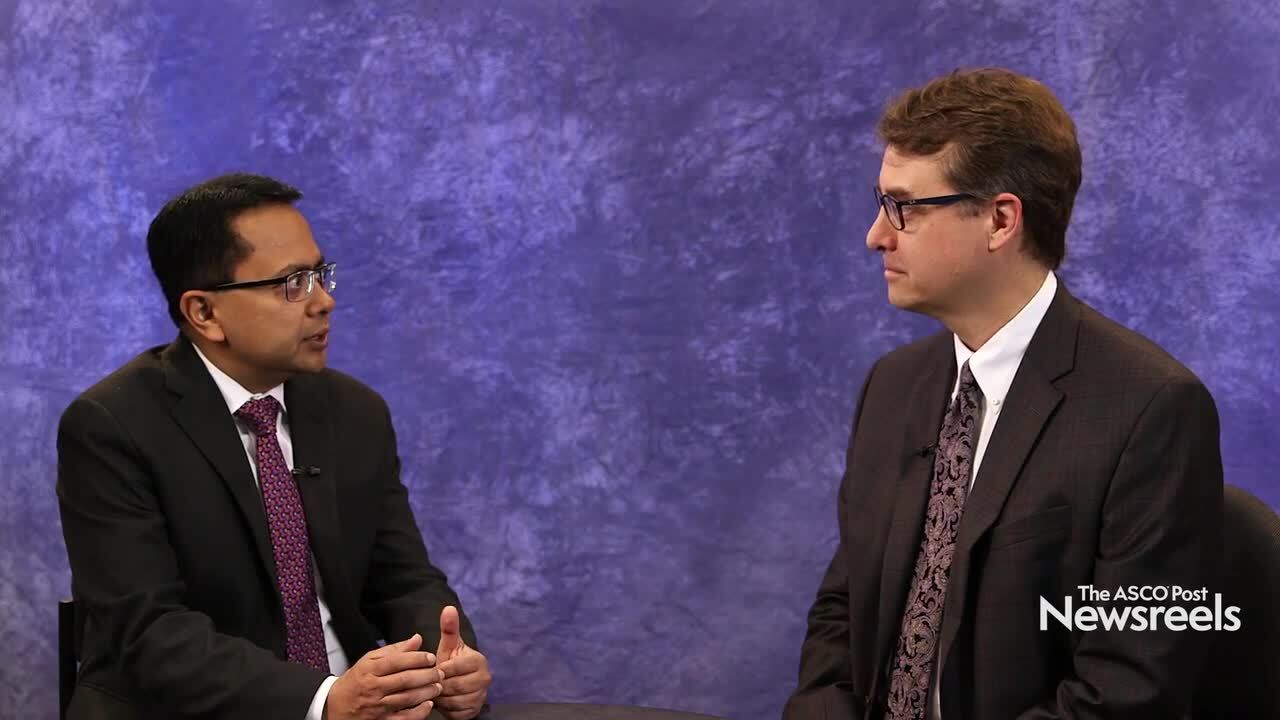
Richard L. Schilsky, MD, of ASCO, and R. Donald Harvey, PharmD, BCOP, of Winship Cancer Institute of Emory University, discuss their study findings that expanding the clinical trial eligibility criteria for patients with advanced NSCLC would enable nearly twice as many people to be considered for participation (Abstract LBA108).
Neeraj Agarwal, MD, of Huntsman Cancer Institute, University of Utah Health Care, and Thomas W. Flaig, MD, of the University of Colorado, discuss phase II findings on a novel predictive biomarker of response to the two accepted neoadjuvant regimens for muscle-invasive bladder cancer: methotrexate/vinblastine/doxorubicin/cisplatin and gemcitabine/cisplatin (Abstract 4506).
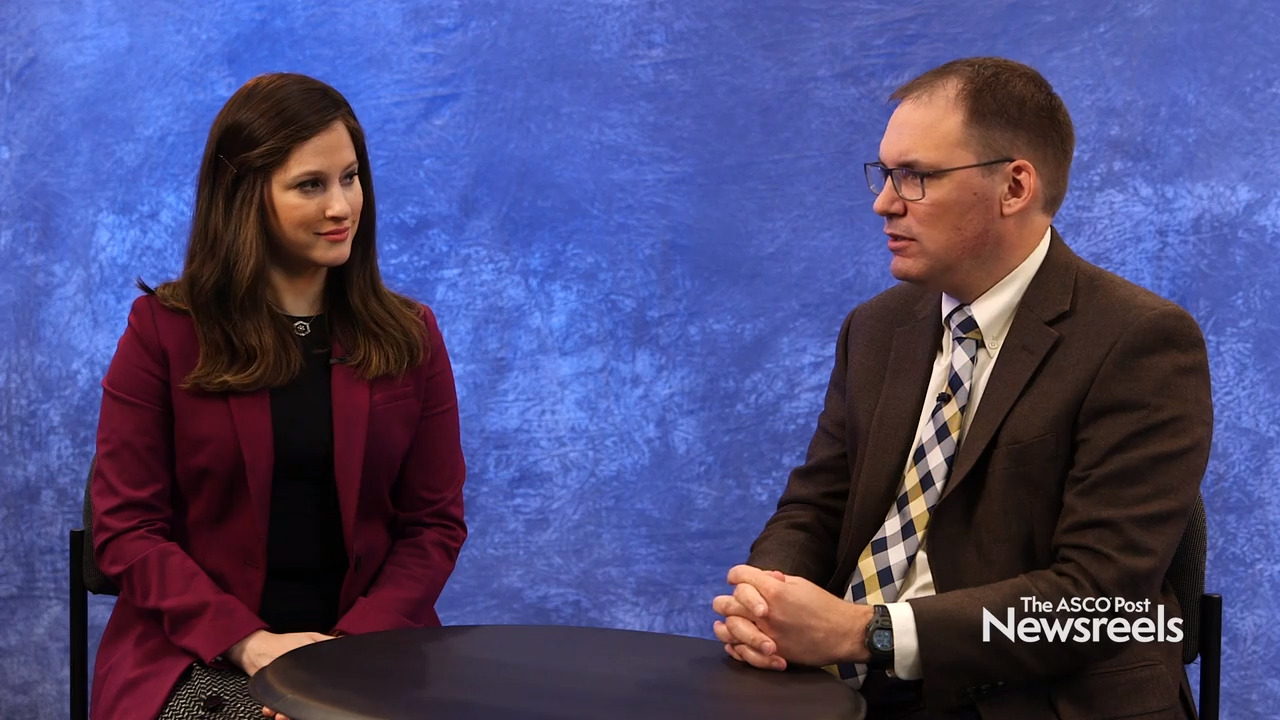
Miriam Knoll, MD, and Zachery Reichert, MD, PhD, discuss the FORCE trial, which is examining whether radiation can create a more durable response to systemic therapy, and whether using newer, more sensitive imaging technologies can improve outcomes (Abstract TPS5096).
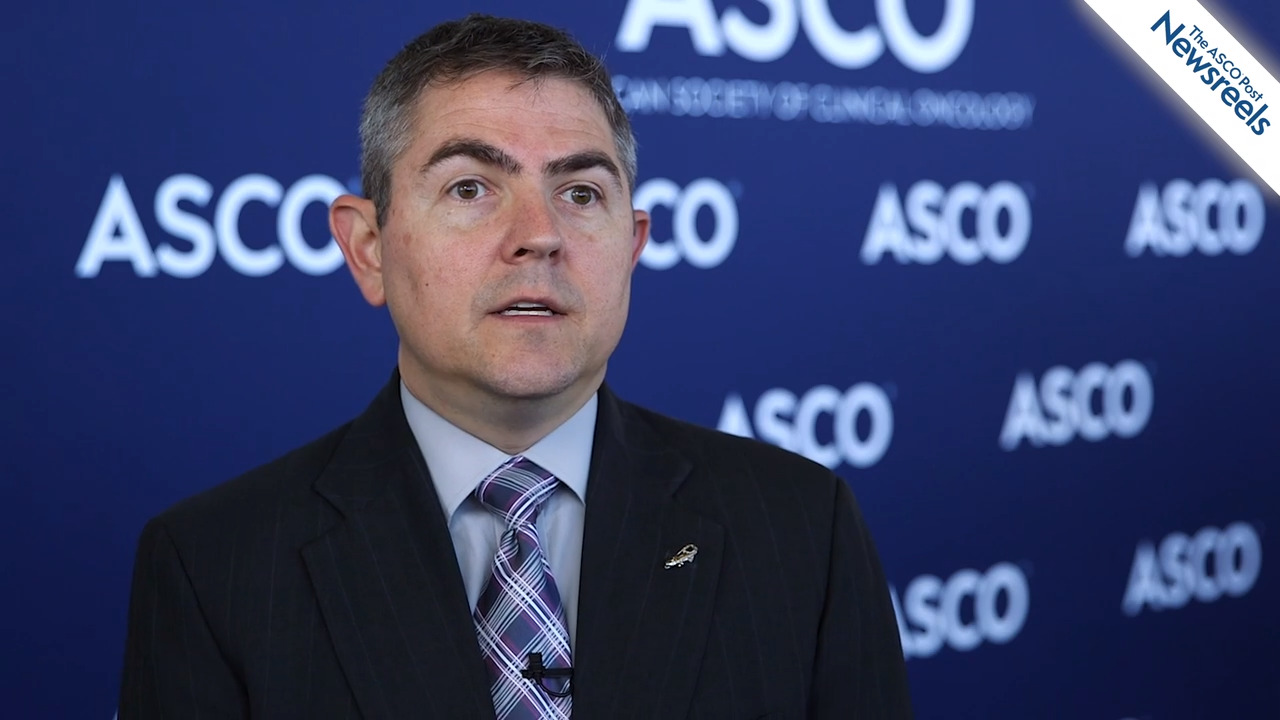
Thomas J. George, MD, of NRG Oncology and The University of Florida Health Cancer Center, discusses the initial phase II results from a clinical trial using total neoadjuvant therapy (including veliparib and chemoradiation treatment) for locally advanced rectal cancer (Abstract 3505).
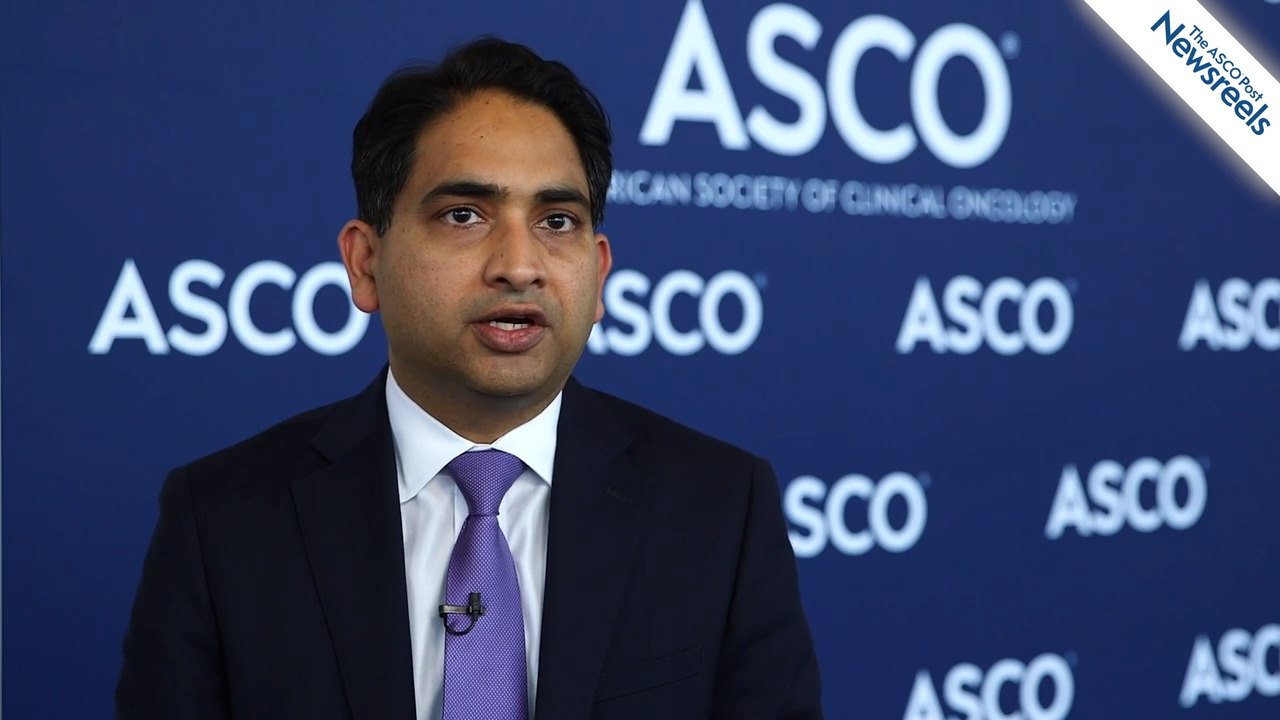
Manmeet S. Ahluwalia, MD, of the Taussig Center Institute, Cleveland Clinic, discusses phase II findings on the efficacy and immunogenicity of SurVaxM, a novel cancer vaccine targeting the tumor-specific antigen survivin in newly diagnosed glioblastoma (Abstract 2016).
Hope S. Rugo, MD, of the University of California, San Francisco, and Peter Schmid, MD, PhD, of Barts Cancer Institute, Queen Mary University of London, discuss an update of the IMpassion130 interim overall survival analysis of atezolizumab plus nab-paclitaxel in previously untreated locally advanced or metastatic triple-negative breast cancer (Abstract 1003).