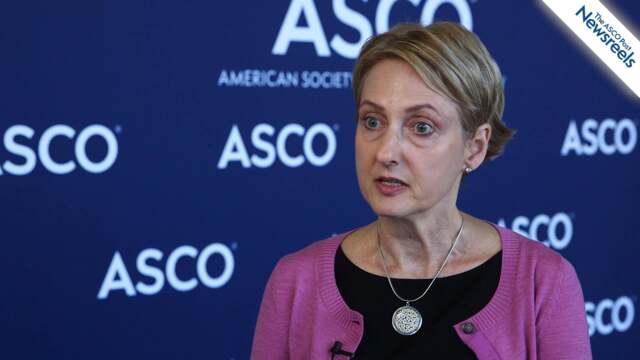
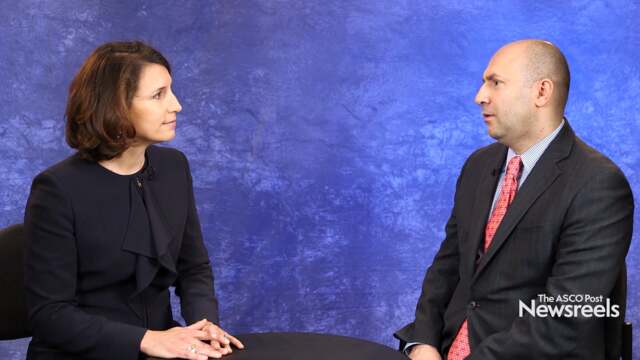
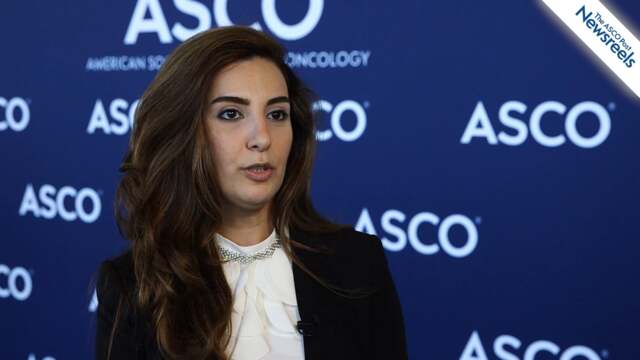
Ursula A. Matulonis, MD, and Stéphanie Gaillard, MD, PhD, on Ovarian Cancer: Results From an NRG Oncology/COG Trial
2018 ASCO Annual Meeting
Ursula A. Matulonis, MD, of Dana-Farber Cancer Institute, and Stéphanie Gaillard, MD, PhD, of Duke Cancer Institute, discuss an evaluation of bevacizumab in the primary treatment of advanced ovarian cancer (Abstract 5517).
Laurie Helen Sehn, MD, MPH, of the British Columbia Cancer Centre for Lymphoid Cancer, discusses phase II study findings on polatuzumab vedotin with bendamustine and rituximab in relapsed or refractory follicular lymphoma and diffuse large B-cell lymphoma (Abstract 7507).
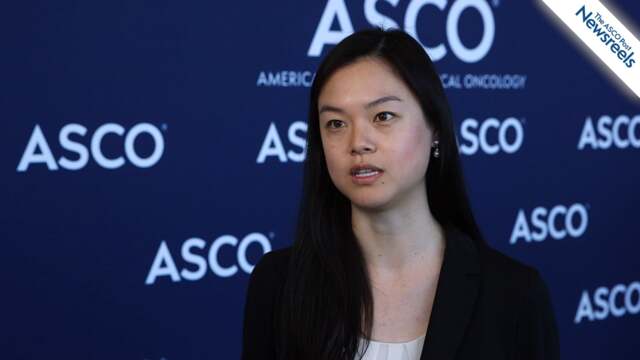
Sherry Shen, MD, of Columbia University Medical Center, discusses findings on the use of omega-3 fatty acid for obese breast cancer patients with aromatase inhibitor–related arthralgia (Abstract 10000).
Toni K. Choueiri, MD, of Dana-Farber Cancer Institute, and Laurence Albiges, MD, PhD, of Gustave Roussy, discuss two treatment studies: one testing pegilodecakin with nivolumab or pembrolizumab and the other evaluating an oral CXCR4 inhibitor in combination with axitinib (Abstracts 4509 & 4510).
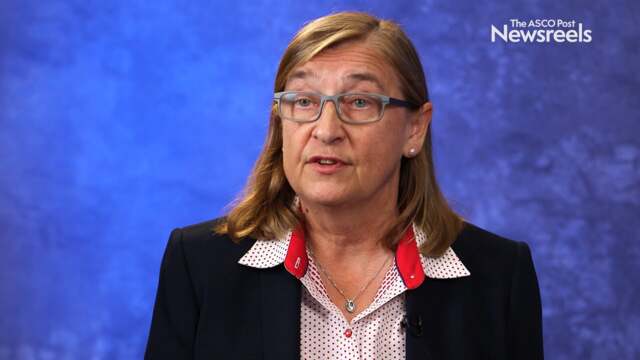
Helena Margaret Earl, MBBS, PhD, of the University of Cambridge, discusses phase III study findings on 6 vs 12 months of adjuvant trastuzumab in patients with HER2-positive early breast cancer (Abstract 506).
Rita Elias Assi, MD, of The University of Texas MD Anderson Cancer Center, discusses the impact of next-generation sequencing on treatment selection in acute myeloid leukemia (Abstract 103).