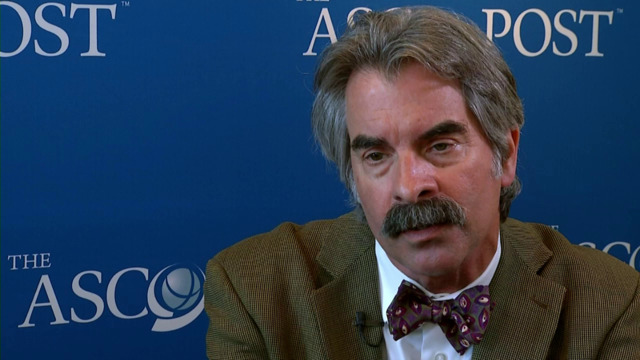
Anthony J. Olszanski, RPh, MD, on Immunotherapy and Melanoma
2015 NCCN Annual Conference
Anthony J. Olszanski, RPh, MD, of the Fox Chase Cancer Center, discusses the advances in immunotherapy generally and for melanoma in particular.
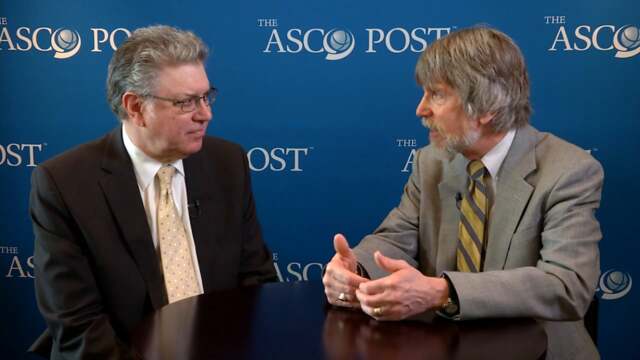
Samuel M. Silver, MD, PhD, and Al B. Benson III, MD, FACP, FASCO
Samuel M. Silver, MD, PhD, of the University of Michigan Comprehensive Cancer Center, and Al B. Benson III, MD, FACP, FASCO, of Robert H. Lurie Comprehensive Cancer Center of Northwestern University, discuss the evolution of NCCN Guidelines, which are available free online, and the components that make them effective: a multidisciplinary approach, the participation of patient advocates, consistency, and affordability of the evidence.
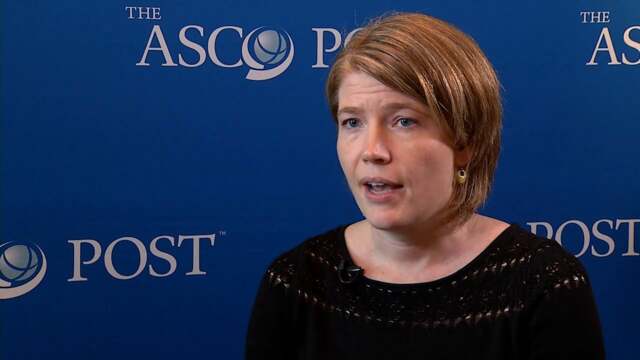
Melinda Telli, MD
Melinda Telli, MD, of Stanford Cancer Institute, discusses the TNT trial for triple-negative breast cancer and the results reported at the San Antonio Breast Cancer Symposium.
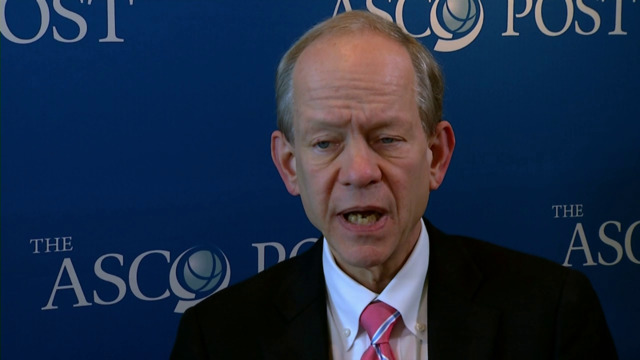
John A. Thompson, MD
John A. Thompson, MD, of the Fred Hutchinson Cancer Research Center and Seattle Cancer Care Alliance, discusses the latest immunotherapeutics for advanced melanoma, including pembrolizumab, trametinib, nivolumab, and dabrafenib.
Andrew D. Zelenetz, MD, PhD
Andrew D. Zelenetz, MD, PhD, of Memorial Sloan Kettering Cancer Center, talks about the revolution in lymphoma treatment, which started with rituximab and continues with obinutuzumab, ibrutinib, and others.
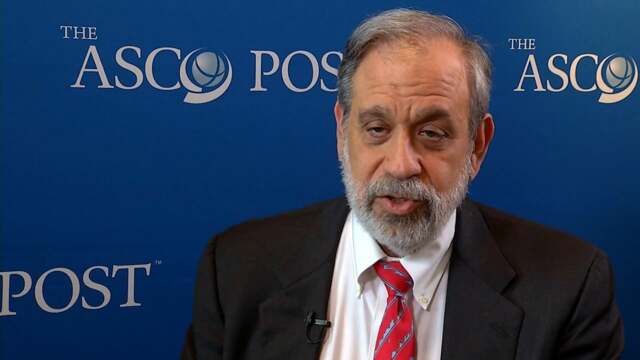
Jerald P. Radich, MD
Jerald P. Radich, MD, of the Fred Hutchinson Cancer Research Center and Seattle Cancer Care Alliance discusses the evolution in treating and monitoring CML and whether monitoring at 3 and 6 months will ultimately prove useful.