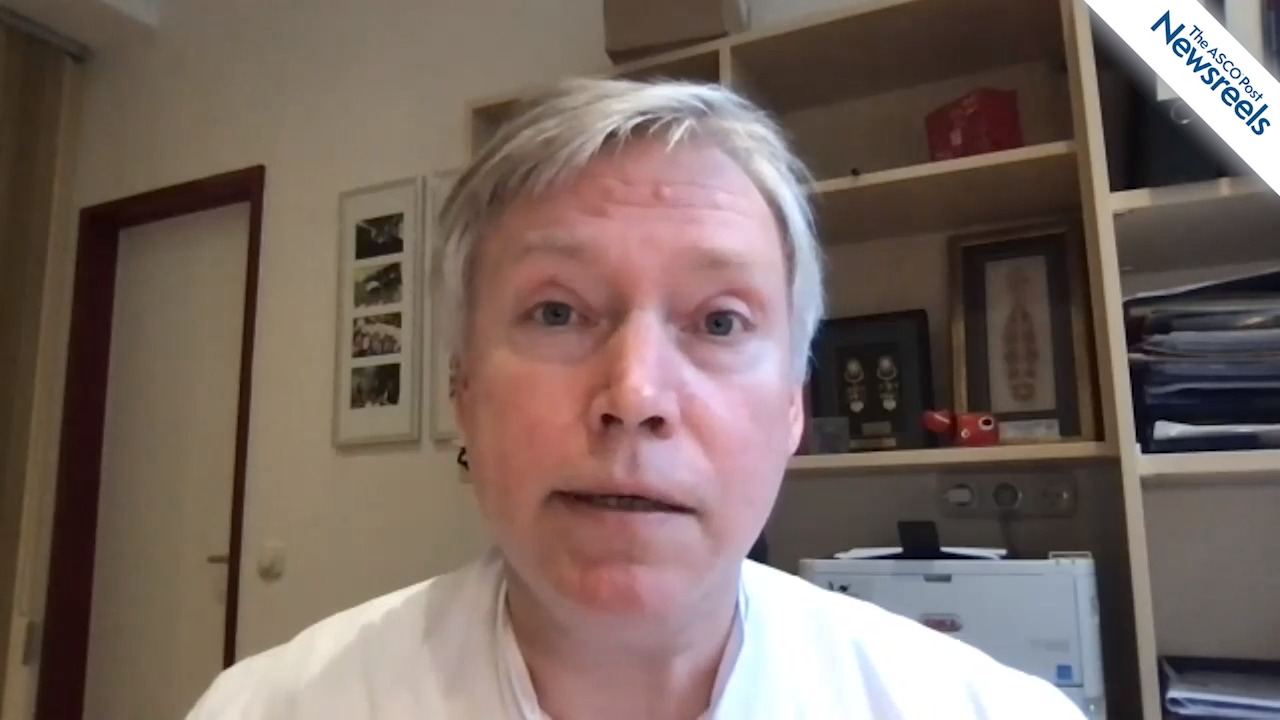
Martin Reck, MD, PhD, on SCLC: Maintenance Therapy for Patients With Extensive-Stage Disease
IASLC 2020 World Conference on Lung Cancer in Singapore
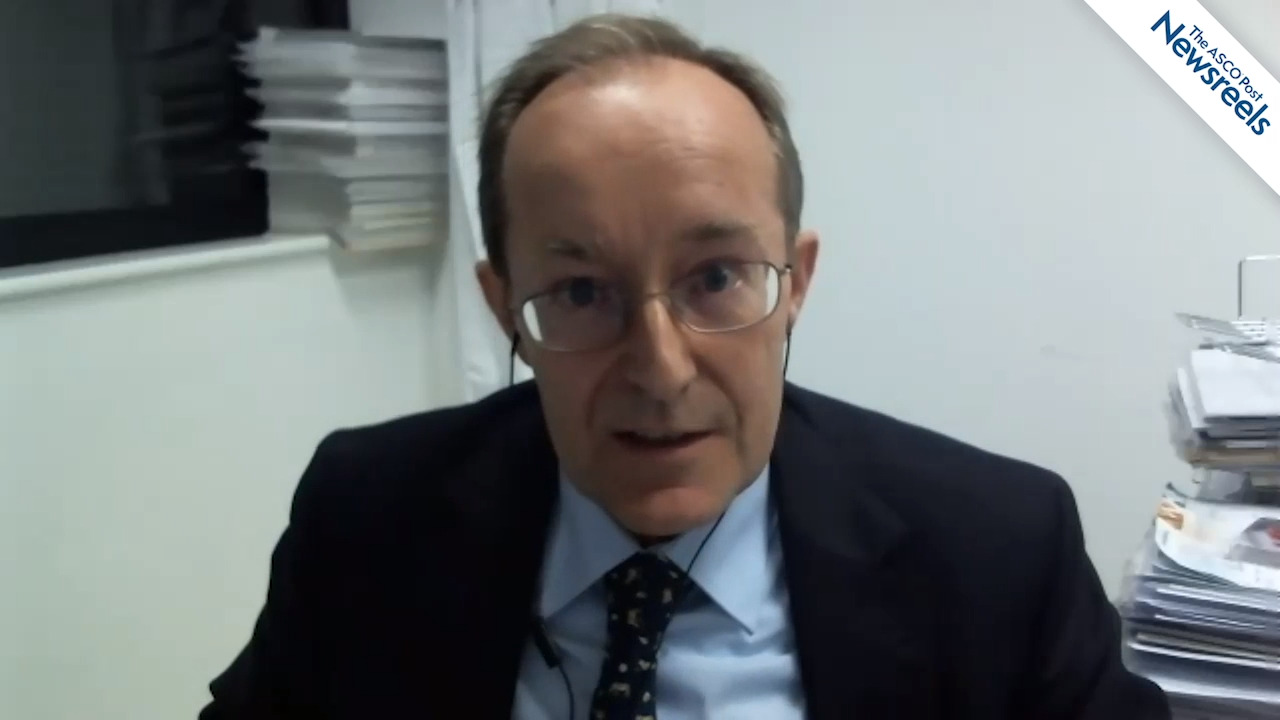
Martin Reck, MD, PhD, of LungenClinic, discusses results from the IMpower133 study of carboplatin plus etoposide with or without atezolizumab in patients with untreated extensive-stage small cell lung cancer (Abstract OA11.06).
The ASCO Post Staff
Luis M. Montuenga, PhD, of the University of Navarra, discusses the potential contributions of biomarkers, promising biomarker panels being tested and published, the need to standardize biospecimen collection, and how to improve the sensitivity of these biomarkers (Abstract PL05.06).
The ASCO Post Staff
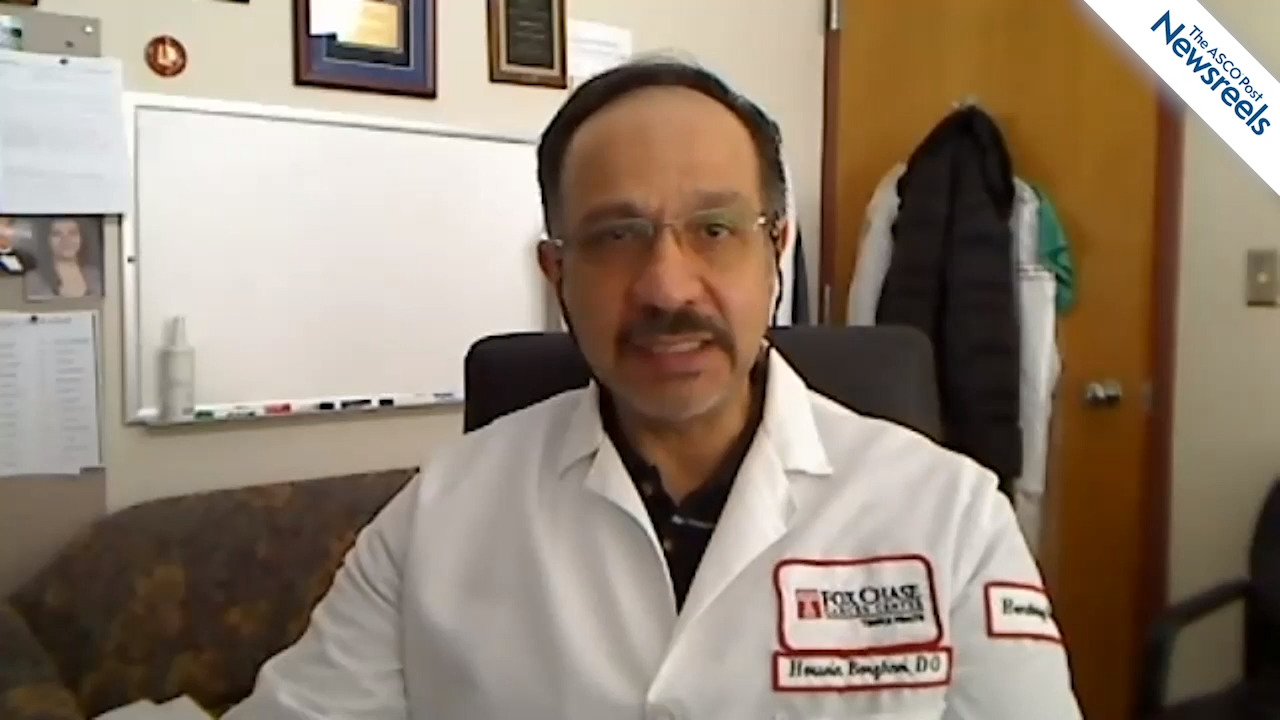
Hossein Borghaei, DO, of Fox Chase Cancer Center, discusses phase I results from a study of AMG 757, an experimental bispecific T-cell–engager (BiTE) immune therapy aimed at the DLL3 molecular target in patients with small cell lung cancer. At this early stage, results show clinical efficacy and safety, with 37% of 51 evaluable patients exhibiting disease control (Abstract OA11.03).
The ASCO Post Staff
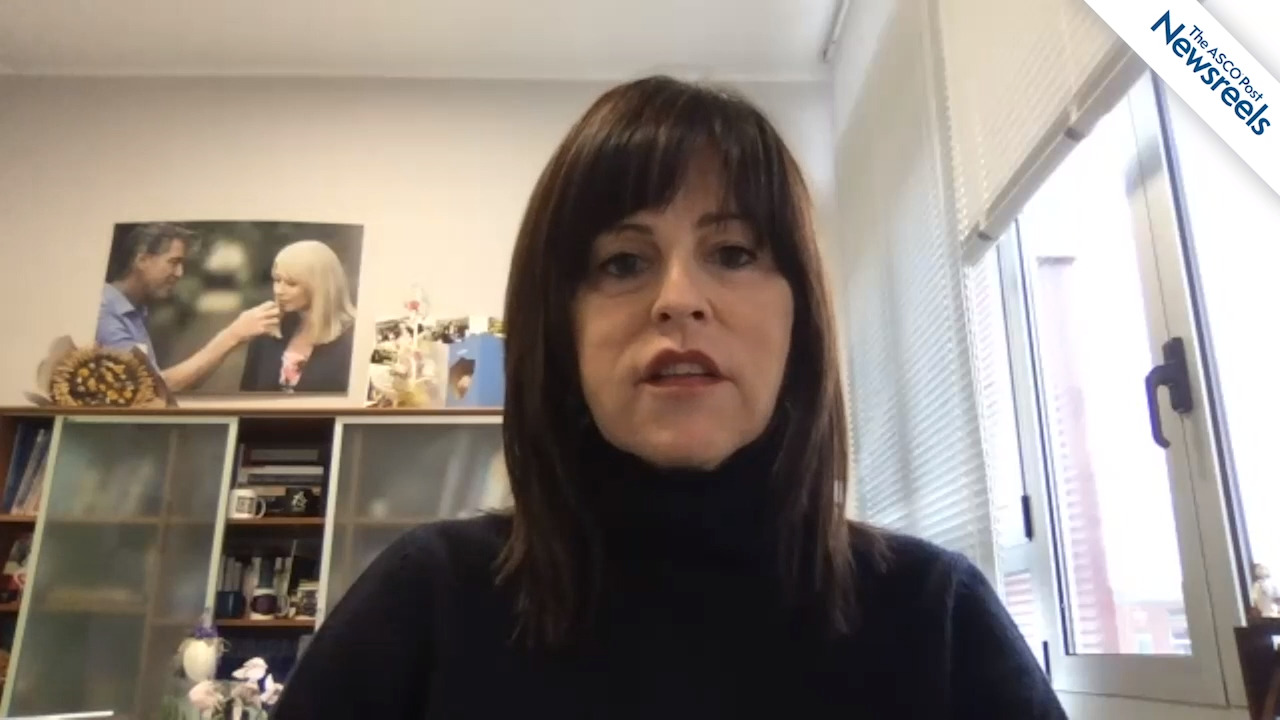
Silvia Novello, MD, PhD, of the University of Turin, discusses phase III results from the ITACA trial, which explored the notion of improving survival by customizing treatment and reducing toxicities for patients with completely resected stage II to IIIA non–small cell lung cancer (Abstract PS01.04).
The ASCO Post Staff
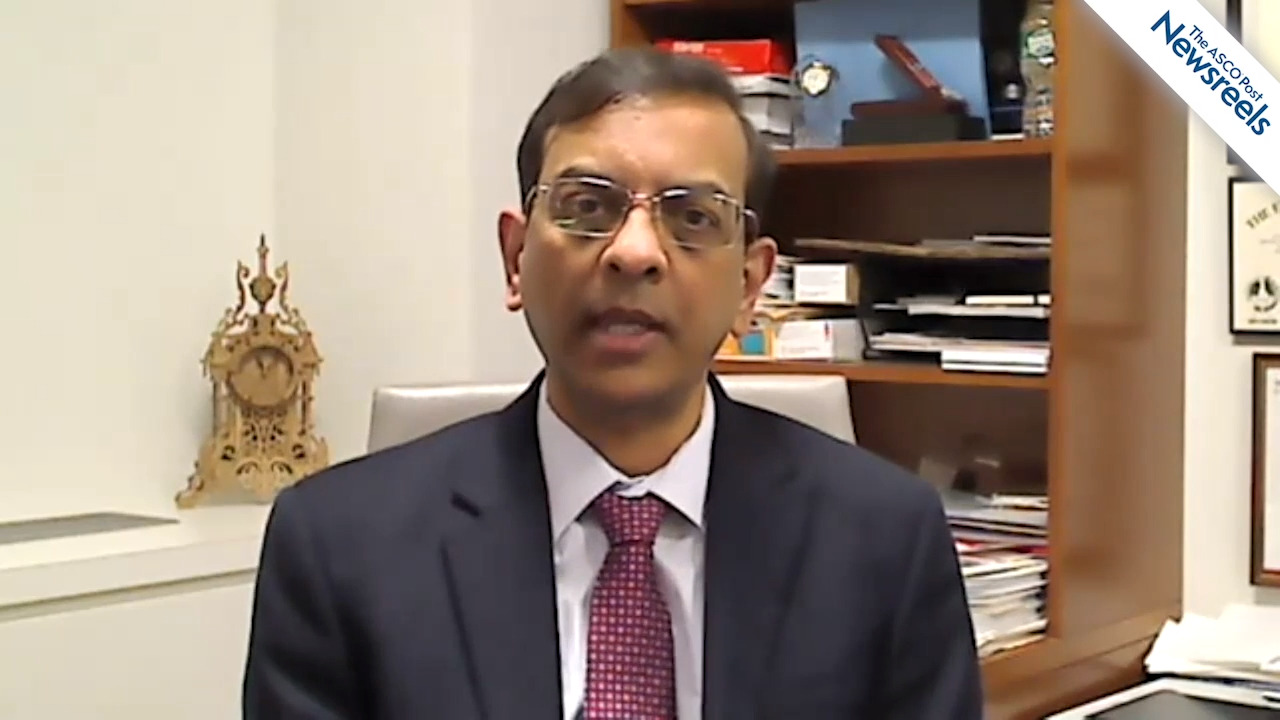
Prasad S. Adusumilli, MD, of Memorial Sloan Kettering Cancer Center, discusses ongoing CAR T-cell therapy clinical trials for solid tumors, the key determinants of success for developing this treatment, and some study results to date (Abstract PL03.05).
The ASCO Post Staff
Martin Reck, MD, PhD, of the LungenClinic, discusses findings of the KEYNOTE-598 study, which showed that pembrolizumab plus ipilimumab was more toxic and offered no more benefit in terms of efficacy than pembrolizumab plus placebo in first-line therapy for patients with metastatic high PD-L1–expressing non–small cell lung cancer (Abstract PS01.09).