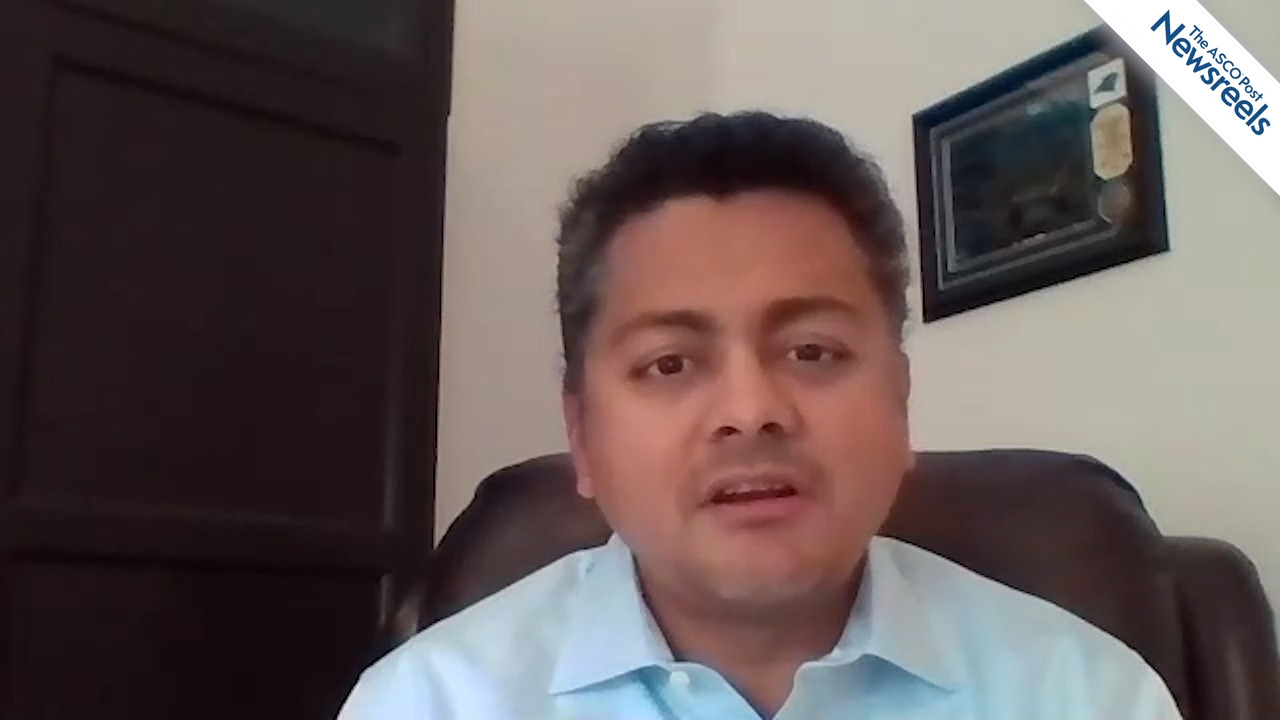
Giorgio V. Scagliotti, MD, PhD, on the Oncoming Waves of COVID-19: Italy’s Experience
COVID-19 and Cancer Care
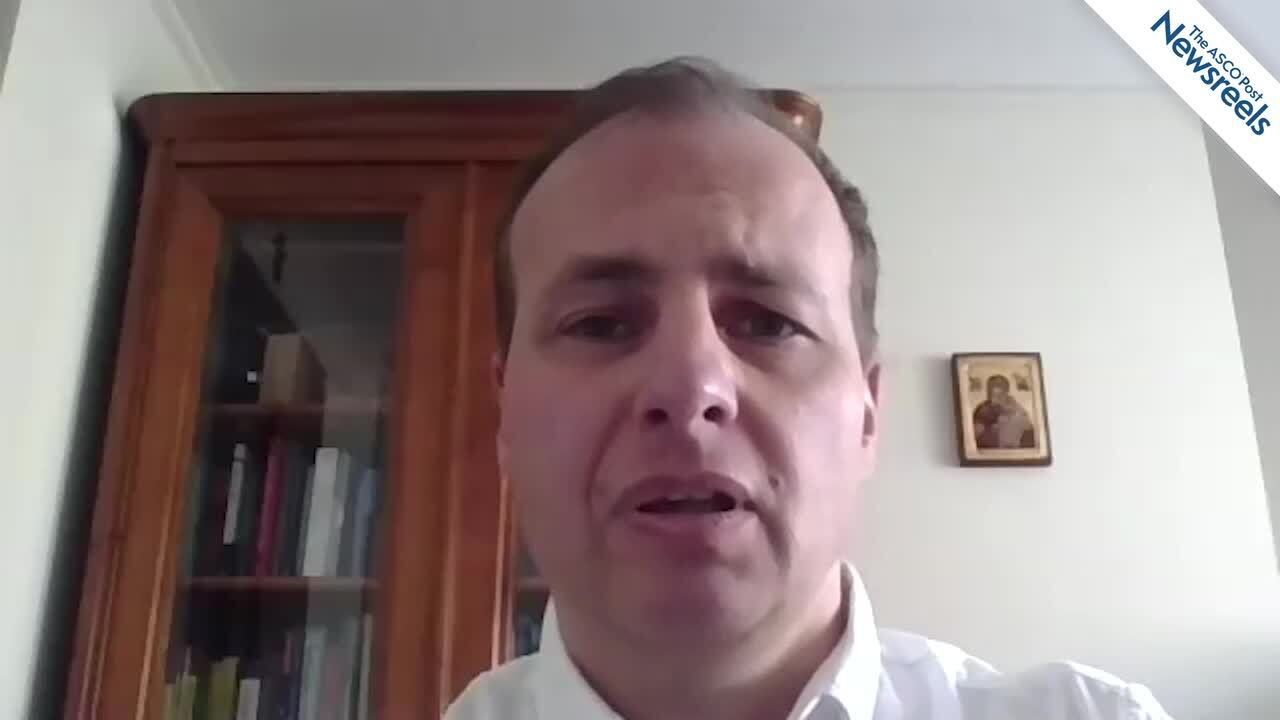
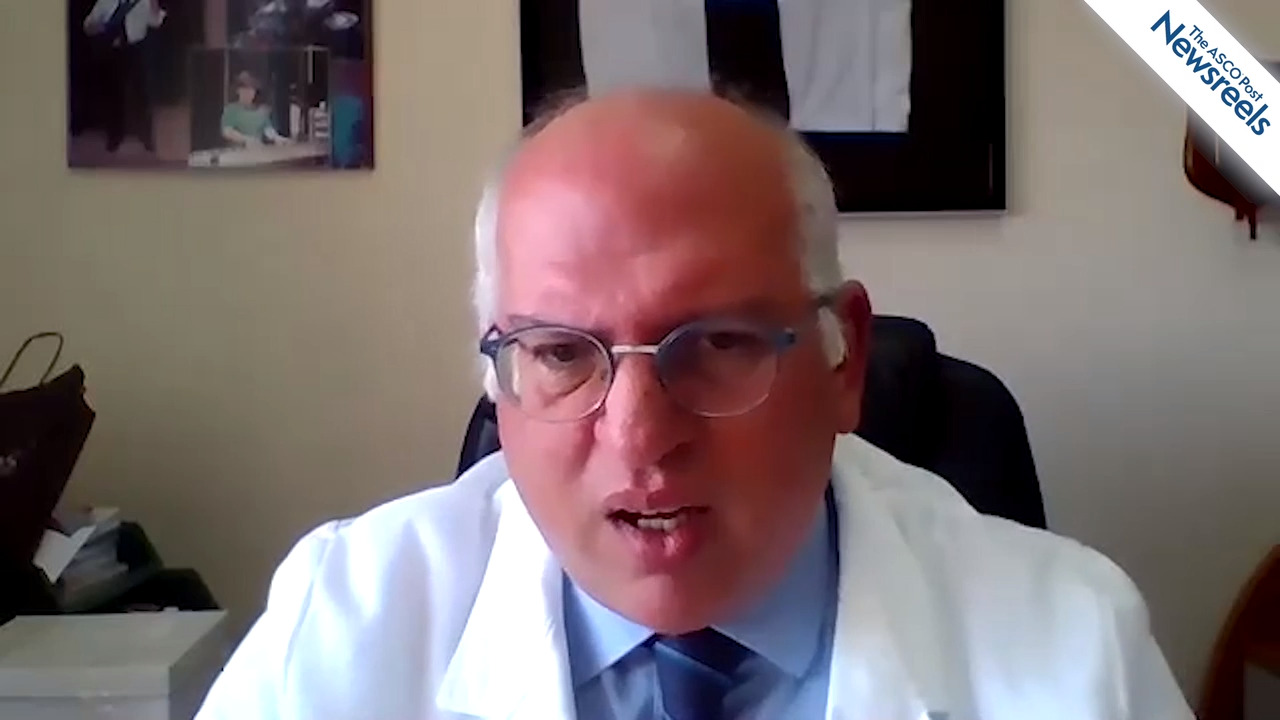
Giorgio V. Scagliotti, MD, PhD, of the University of Turin, talks about the progression of COVID-19 through his community and how, in nursing homes, lack of experience dealing with a pandemic is fueling a third wave of the virus in Italy. Filmed April 15, 2020.
The ASCO Post Staff
Rafal Dziadziuszko, MD, PhD, of the Medical University of Gdansk, discusses the concerns his patients with cancer have about exposure to COVID-19 when they come to his institution for care and how he manages their fears. Filmed April 24, 2020.
The ASCO Post Staff
Paolo A. Ascierto, MD, of the Istituto Nazionale Tumori in Naples, Italy, talks about minimizing risks for patients with cancer, prioritizing surgery and other treatments for melanoma, and the state of clinical trials. Filmed April 17, 2020.
The ASCO Post Staff
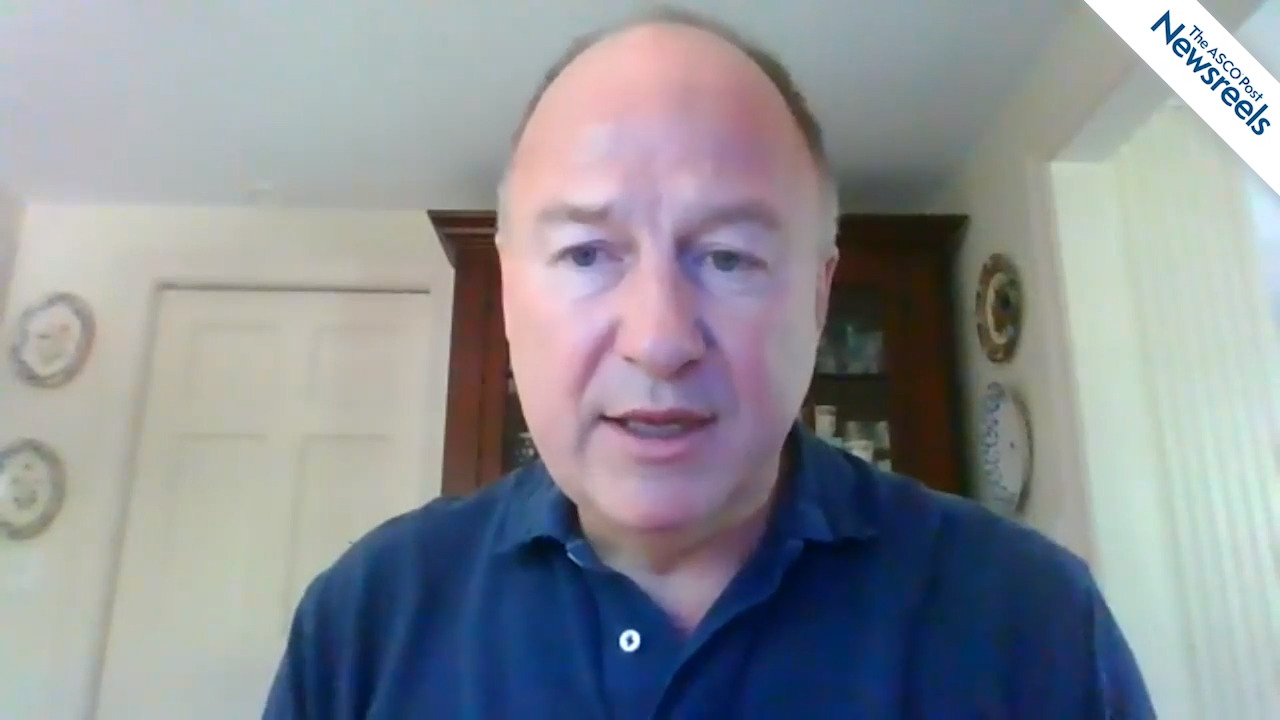
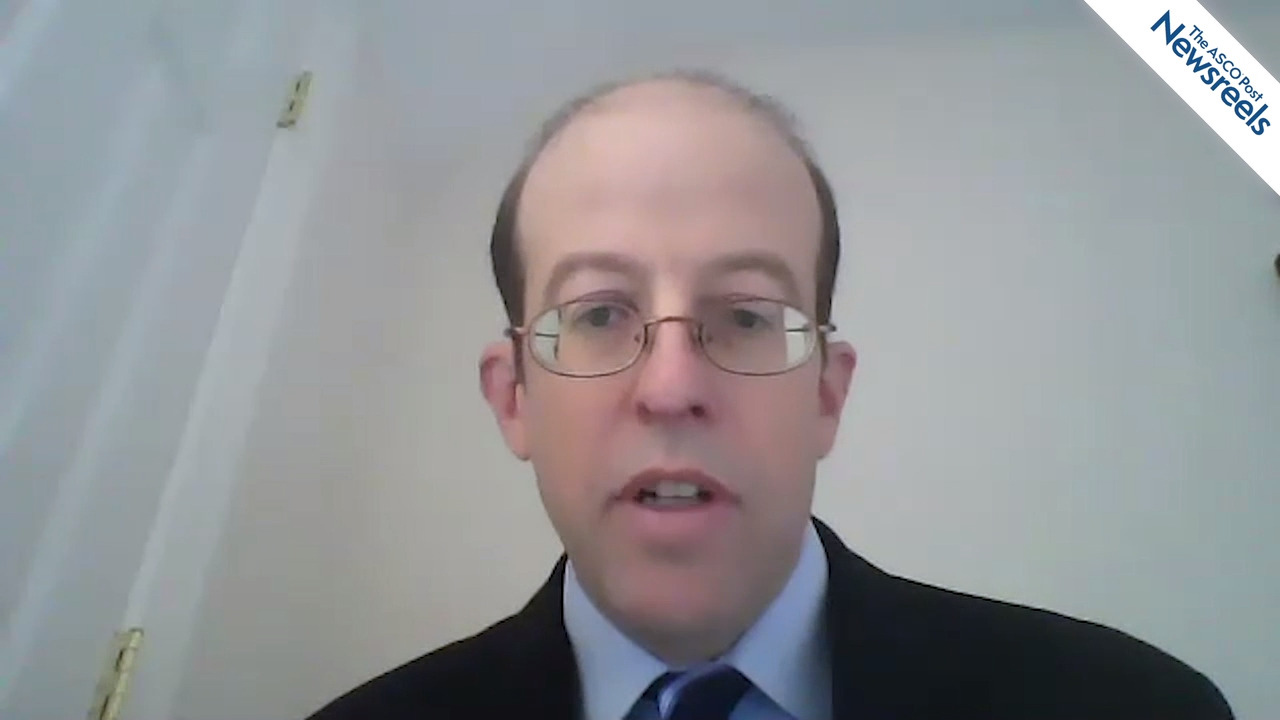
Paul G. Richardson, MD, of Dana-Farber Cancer Institute, discusses challenges patients with multiple myeloma have faced as a result of the COVID-19 pandemic and the research he and his international colleagues are conducting to better understand these difficulties and improve patient care.
The ASCO Post Staff
William A. Wood, MD, MPH, of the University of North Carolina at Chapel Hill, and Oversight Group Chair for the new COVID-19 registry, talks about why it was formed, how it can help patients and providers, and how it operates and could evolve in the future. Filmed April 3, 2020.
The ASCO Post Staff
For patients with multiple myeloma who are currently on clinical trials, what are the most pressing issues as we fight COVID-19?
Recorded April 24, 2020.