Meletios A. Dimopoulos, MD, on Waldenström’s Macroglobulinemia
2018 ASCO Annual Meeting
Meletios A. Dimopoulos, MD, of the National and Kapodistrian University of Athens, discusses phase III findings on ibrutinib/rituximab vs placebo/rituximab in Waldenström’s macroglobulinemia (Abstract 8003).
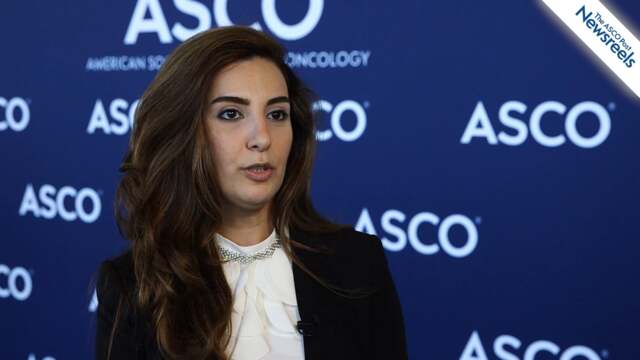
Rita Elias Assi, MD, of The University of Texas MD Anderson Cancer Center, discusses the impact of next-generation sequencing on treatment selection in acute myeloid leukemia (Abstract 103).
Susan Halabi, PhD, of Duke University Medical Center, discusses an analysis that showed an increase in overall survival in African American men vs Caucasian men, all of whom had metastatic castration-resistant prostate cancer treated with docetaxel/prednisone or a regimen containing those agents (Abstract LBA5005).
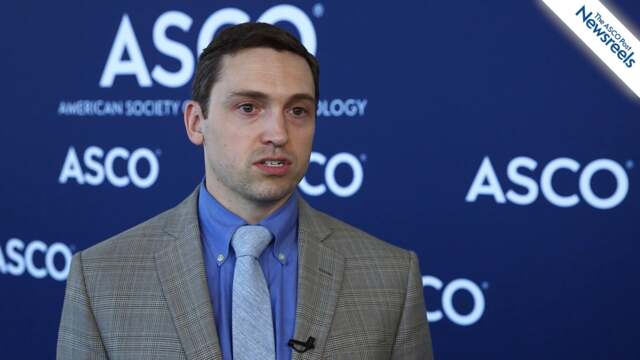
Ryan D. Nipp, MD, of Massachusetts General Hospital, discusses study findings on electronic symptom monitoring vs usual care to assess whether the intervention, tested in hospitalized patients with advanced cancer, can improve symptom burden and reduce the risk of readmission (Abstract 10005).
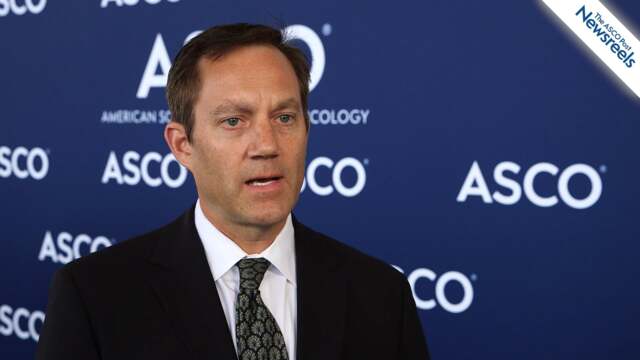
Robert M. Jotte, MD, PhD, of Rocky Mountain Cancer Centers, discusses phase III study findings on atezolizumab plus carboplatin plus paclitaxel or nab-paclitaxel vs carboplatin plus nab-paclitaxel, as first-line therapy in advanced squamous non–small cell lung cancer (Abstract LBA9000).
Juliet Elizabeth Wolford, MD, on Ovarian Cancer: The Cost of Care
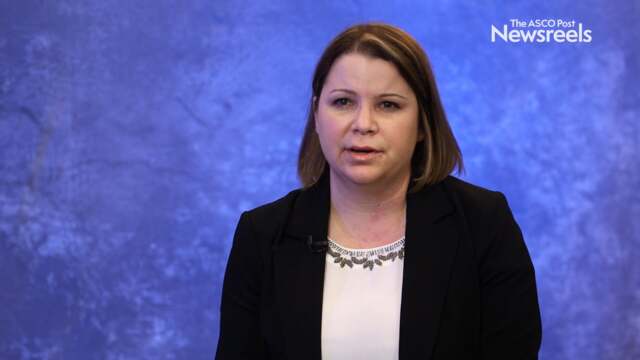
Juliet Elizabeth Wolford, MD, of the University of California, Irvine, discusses the cost-effectiveness of various types of maintenance therapy in advanced ovarian cancer: paclitaxel, bevacizumab, niraparib, rucaparib, olaparib, and pembrolizumab (Abstract 5508).