‘Prostate Screening Saved My Life’—Is That Really True In Most Cases?

Prostate specific antigen (PSA) screening remains one of the most controversial of “standard” medical practices. As recently as the 2026 Super Bowl, one of the more unusual TV advertisements, sponsored by a pharmaceutical company with an interest in prostate cancer treatments, extolled the virtues of PSA screening for prostate cancer. A well-intentioned patient intoned, “PSA screening saved my life!” Eminent and proven experts, like Drs Tom Beer and Ken Pienta, congratulated the company on its creative approach to this difficult problem online in LinkedIn soon thereafter.
SABCS 2025: Top Picks From a Breast Cancer Specialist

Among the high-quality abstract presentations at the annual San Antonio Breast Cancer Symposium (SABCS), a few always stand out as particularly meritorious. Each year, The ASCO Post asks its Senior Deputy Editor, breast cancer specialist Jame Abraham, MD, FACP, to offer his top picks for most impactful studies. Dr. Abraham is the Enterprise Chair of the Department of Hematology and Medical Oncology and Professor of Medicine at the Cleveland Clinic Lerner College of Medicine.
How the Outlook on Fertility Preservation for Patients With Cancer Is Improving

Each year in the United States, about 90,000 adolescents and young adults (AYAs), ages 15 to 39, are diagnosed with cancer,1 and they are immediately faced with myriad challenges and disruptions in their life stages, including psychosocial distress; interruptions in their education, career, and social life; body image struggles; and potentially life-altering consequences on fertility. Studies show that between 12% and 88% of AYAs undergoing treatment for cancer, including surgery, chemotherapy, and radiation therapy, experience risk to their fertility.2
Gemcitabine Intravesical System Shows High Disease-Free Survival Rates in BCG-Unresponsive Papillary-Only NMIBC

Monotherapy with a gemcitabine intravesical system (TAR-200; Gem-iDRS) demonstrated high disease-free survival rates in patients with bacillus Calmette-Guérin (BCG)-unresponsive papillary-only high-risk non–muscle-invasive bladder cancer (NMIBC), according to data presented at the 26th Annual Meeting of the Society of Urologic Oncology (SUO).1
Advanced Nonsquamous NSCLC: FDA Grants Accelerated Approval to Zongertinib

On February 26, the U.S. Food and Drug Administration (FDA) granted accelerated approval to zongertinib (Hernexeos), a kinase inhibitor, for an expanded indication for adults with unresectable or metastatic nonsquamous non–small cell lung cancer (NSCLC) whose tumors have HER2 tyrosine kinase domain (TKD) activating mutations, as detected by an FDA-authorized test.
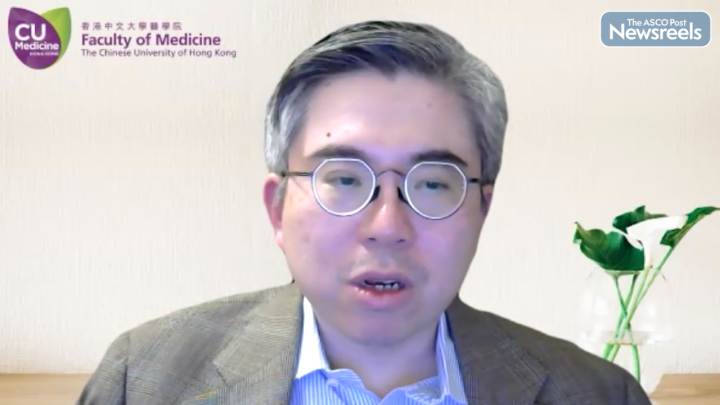




 Charles Bennett and colleagues: The Inflation Reduction Act and Ibrutinib
 Derek Raghavan: How I Discuss the Current Political Chaos When Patients Ask Health-Related Questions About It
 Narjust Florez and Coral Olazagasti: Silence Is Complicity
 Robert Peter Gale: Therapy With a TKI for EGFR-Variant Lung Adenocarcinoma: Lessons From CML?
 Raj Mohan on Kindness, Mercy, Empathy, Compassion: Are They Relevant in the Era of Robotics and AI?
Sponsored Content

SPONSORED BY JOHNSON & JOHNSON
Evolving Treatment Landscape in First-Line EGFR-Mutant NSCLC: New Insights Into Combination TherapiesMore Top Stories
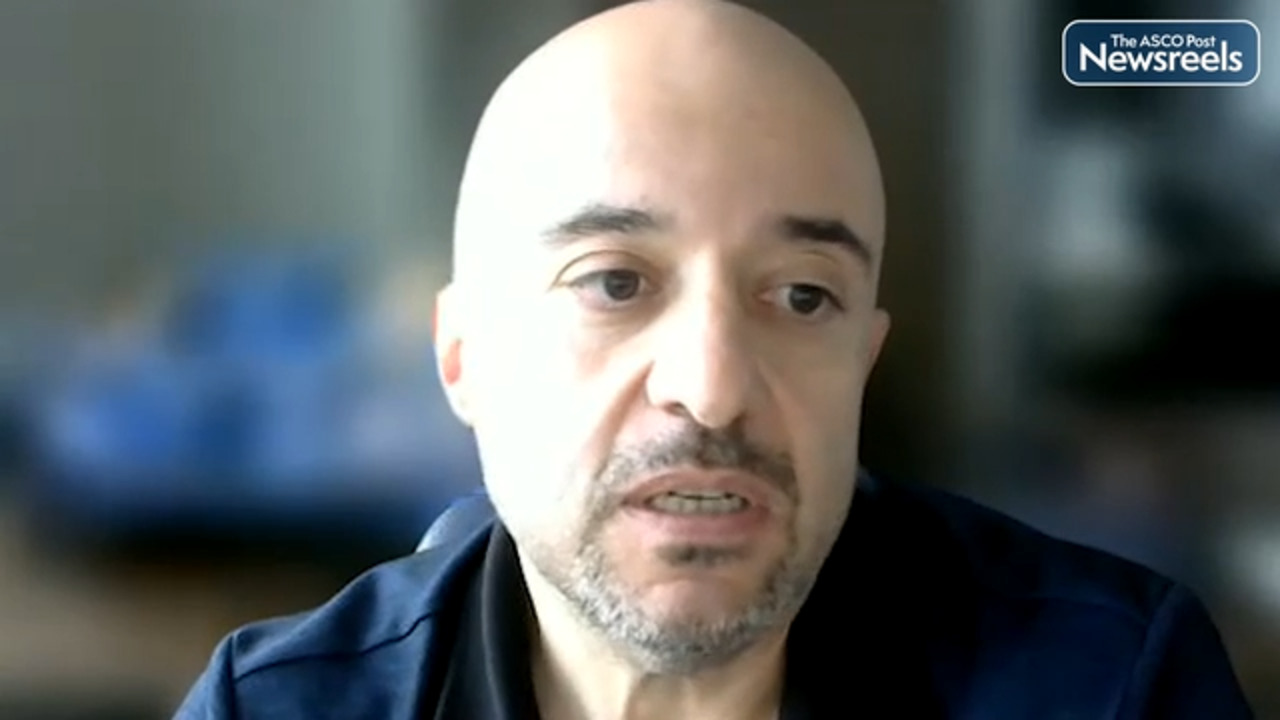
I Used AI to Supplement My Oncology Care—It Reshaped My Treatment Plan
A year ago, I was confronting a series of symptoms—including rapid weight loss, abdominal distress, fatigue, and heart issues—that I couldn’t explain. I was just 60 years old and had been in good health, but now I sensed that something was seriously wrong. I made appointments with my primary care...
p53 Reactivator Rezatapopt in TP53 Y220C–Mutated Solid Tumors
In a phase I trial (PYNNACLE) reported in The New England Journal of Medicine, Dumbrava et al described the toxicity and preliminary activity of rezatapopt in TP53 Y220C–mutated solid tumors. The agent is an investigational, first-in-class, oral, selective p53 reactivator that specifically binds to ...
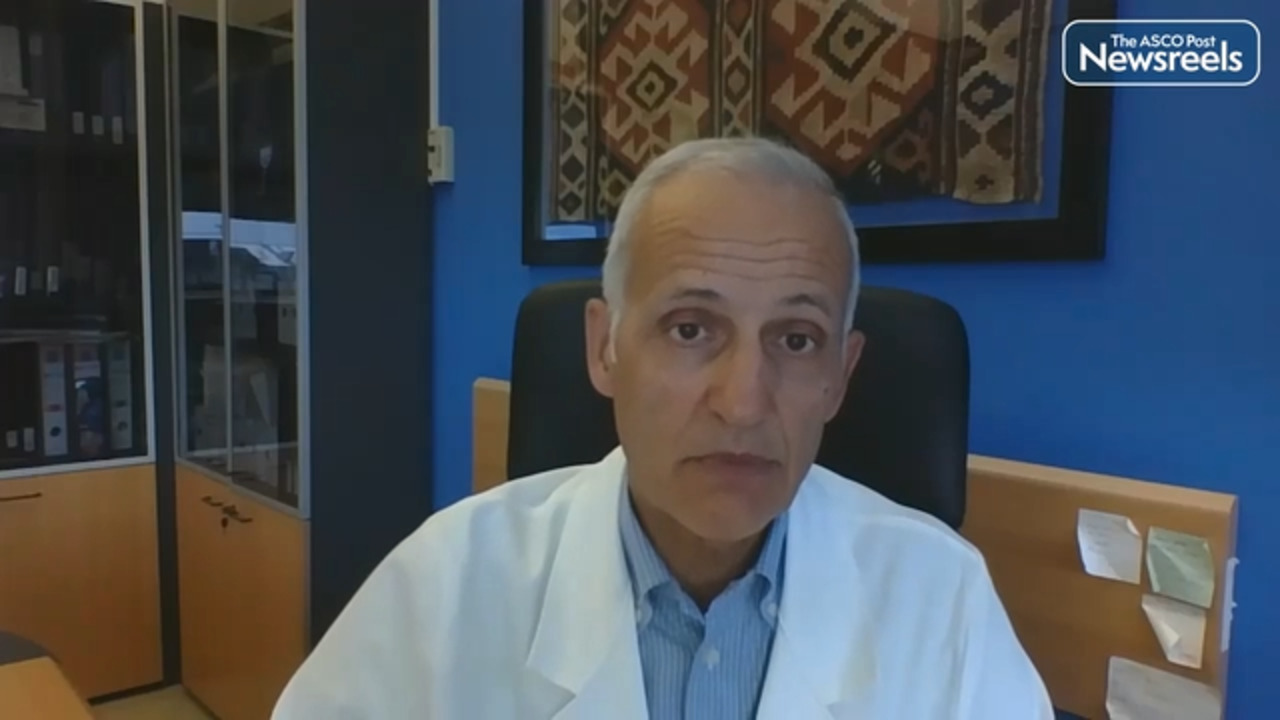
ASCO’s First Living Guideline in GU Cancers Reflects Recent Practice-Changing Trials on Systemic Treatment of mCRPC
ASCO has published an updated guideline on systemic therapy for patients with metastatic castration-resistant prostate cancer (mCRPC), representing ASCO’s first Living Guideline in the area of prostate cancer and the first in any genitourinary (GU) cancer.1 “Guidelines will become less useful if...
Leader in Global Cancer Care, Paul E. Goss, MD, PhD, FRCPC, FRCP Dies at 70
The oncology community is mourning the loss of Paul E. Goss, MD, PhD, FRCPC, FRCP, who died on December 19, 2025, at his home in Hopkinton, Massachusetts, from multiple system atrophy—a rare, progressive neurologic disorder with symptoms resembling those of Parkinson’s disease. He was 70 years old. ...
BCMA CAR T-Cell Therapy in Newly Diagnosed Multiple Myeloma
In a Chinese phase II study (CAREMM-001) reported in the Journal of Clinical Oncology, Yan et al found that B-cell maturation antigen (BCMA) chimeric antigen receptor (CAR) T-cell therapy was highly active in patients with newly diagnosed multiple myeloma who were ineligible for or did not proceed...
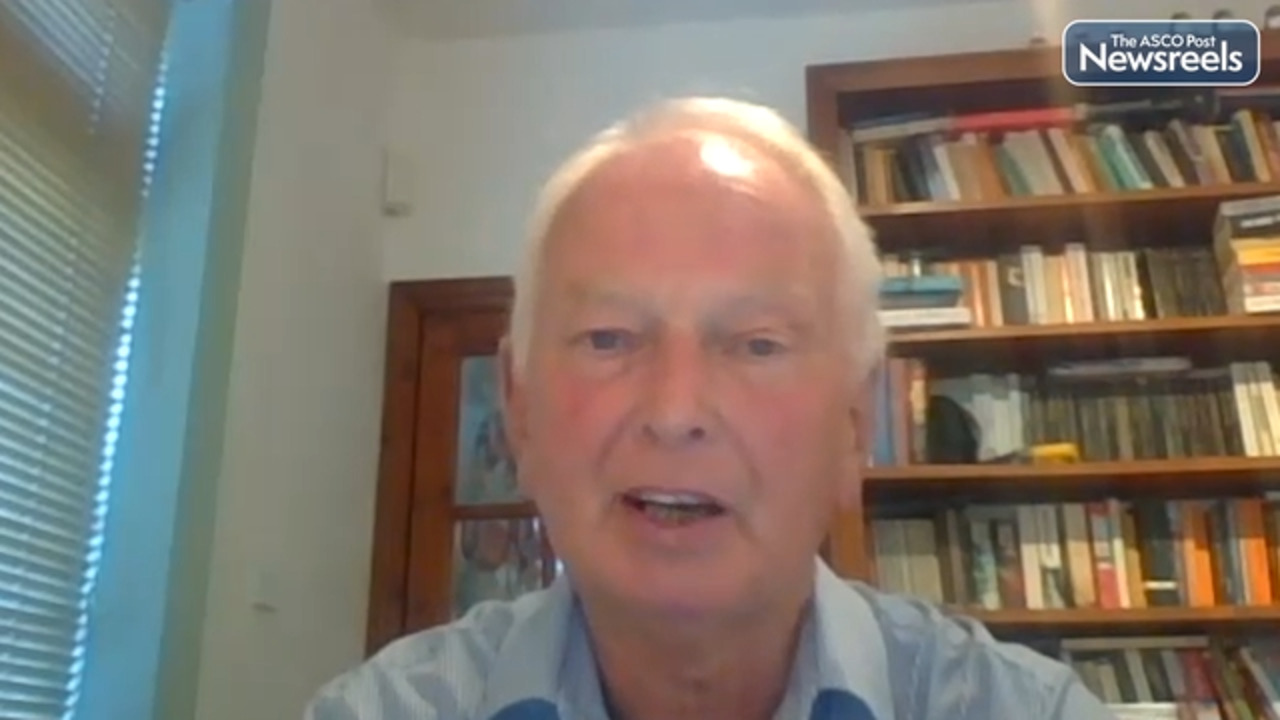
Introducing ASCO AI in Oncology
In February, ASCO and Conexiant launched ASCO AI in Oncology (ascoai.org), a digital platform dedicated to understanding how artificial intelligence (AI) is impacting cancer care. “Our goal with this hub is to empower oncology professionals with knowledge and the tools to adapt to a rapidly...
Disease Stage at Breast Cancer Diagnosis Impacted by Region, Race, and Insurance
Significant differences were found in advanced-stage diagnoses of breast cancer in rural populations according to geographic location in the United States, which were further influenced by demographic factors of race and insurance status, according to findings from an analysis of the National...
