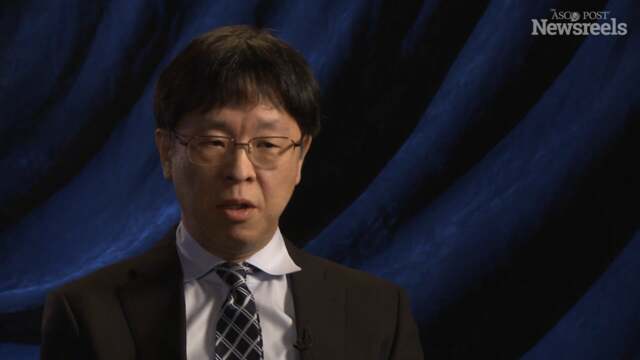
Simron Singh, MD, on Neuroendocrine Tumors of the GI Tract: Results from the RADIANT-4 Trial
2016 Gastrointestinal Cancers Symposium
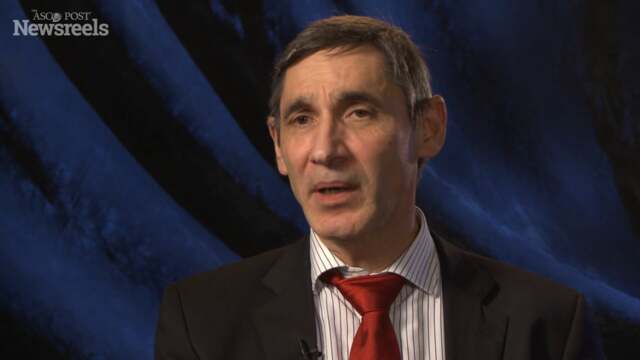
Simron Singh, MD, of the Toronto Sunnybrook Cancer Centre, discusses an analysis of data from this phase III study on the efficacy and safety of everolimus in advanced, progressive, nonfunctional neuroendocrine tumors of the GI tract and unknown primary (Abstract 315).
Eric Francois, MD
Eric Francois, MD, of the Centre Antoine-Lacassagne, discusses in French the 5-year follow-up results from this phase III study of neoadjuvant treatment in rectal cancer (Abstract 490).
Dung T. Le, MD
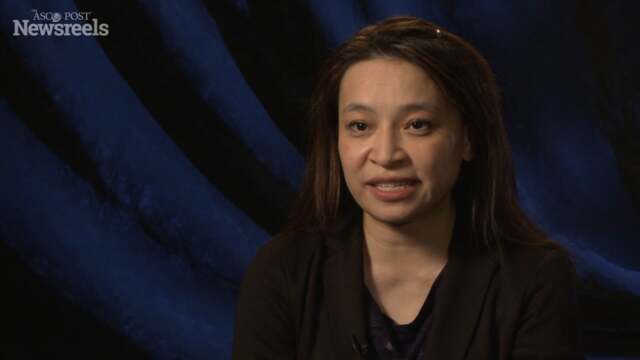
Dung T. Le, MD, from Johns Hopkins University Sidney Kimmel Comprehensive Cancer Center, discusses study findings on the safety and activity of nivolumab monotherapy in advanced and metastatic gastric or gastroesophageal junction cancer (Abstract 6).
James L. Abbruzzese, MD
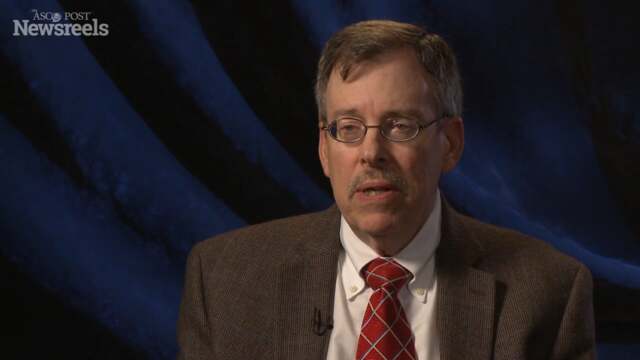
James L. Abbruzzese, MD, of Duke University, discusses the international outlook on patterns of care and their impact on outcomes.
Yoon-Koo Kang, MD, PhD
Yoon-Koo Kang, MD, PhD, of the Asan Medical Center, discusses findings from this multicenter, phase II/III study of ado-trastuzumab emtansine vs a taxane in patients with previously treated HER2-positive locally advanced or metastatic gastric/gastroesophageal junction adenocarcinoma (Abstract 5).
Toshihiko Doi, MD, PhD
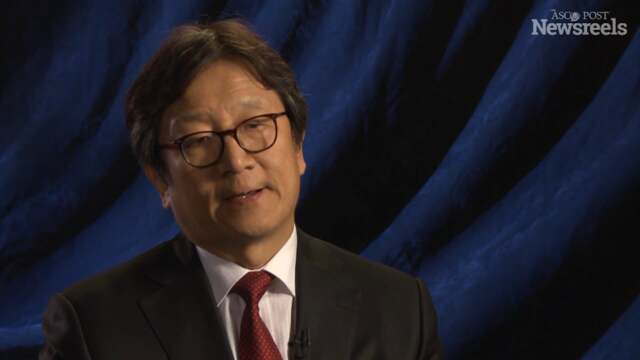
Toshihiko Doi, MD, PhD, of Japan’s National Cancer Center Hospital East, discusses updated results on pembrolizumab for advanced esophageal cancer (Abstract 7).