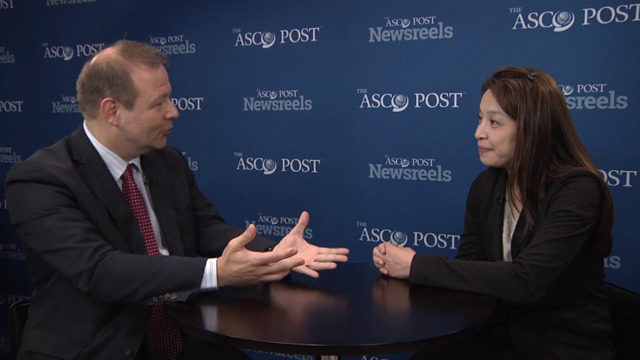
Laurie Helen Sehn, MD, MPH, Summarizes Results of the GADOLIN Trial on Indolent NHL
2015 ASCO Annual Meeting
Laurie Helen Sehn, MD, MPH, of the British Columbia Cancer Agency, discusses a first-ever finding on obinutuzumab and bendamustine in the setting of rituximab-refractory indolent non-Hodgkin lymphoma (Abstract LBA8502).
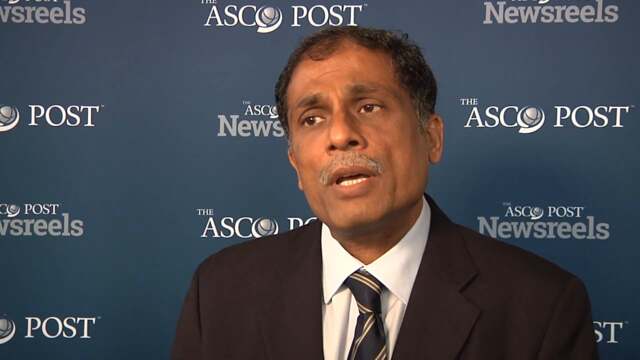
Anil D’Cruz, MD
Anil D’Cruz, MD, of Tata Memorial Hospital, discusses results from his study that seem to resolve a 50-year-long debate on performing elective neck dissection at the time of primary surgery––a potentially practice-changing finding (Abstract LBA3).
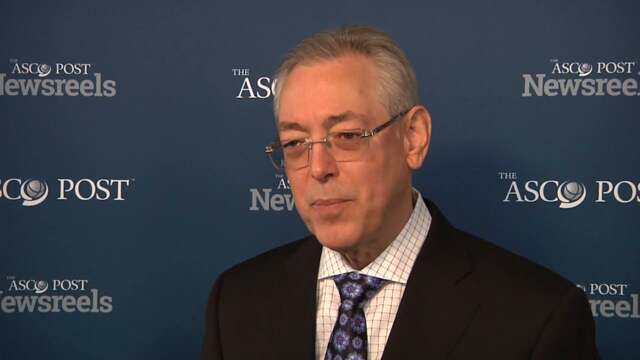
Jan C. Buckner, MD
Jan C. Buckner, MD, of the Mayo Clinic discusses adjuvant whole-brain radiotherapy and the need for initial treatment with radiosurgery and close monitoring to preserve cognitive function in patients with brain metastases (Abstract LBA4).
Nicholas C. Turner, MD, PhD, and Clifford A. Hudis, MD
Clifford A. Hudis, MD, of Memorial Sloan Kettering Cancer Center, and Nicholas C. Turner, MD, PhD, of the Royal Marsden Hospital NHS Trust, discuss fulvestrant and palbociclib as a treatment option in pre- and postmenopausal women with hormone receptor–positive, HER2-negative metastatic breast cancer that has progressed on prior endocrine therapy (Abstract LBA502).
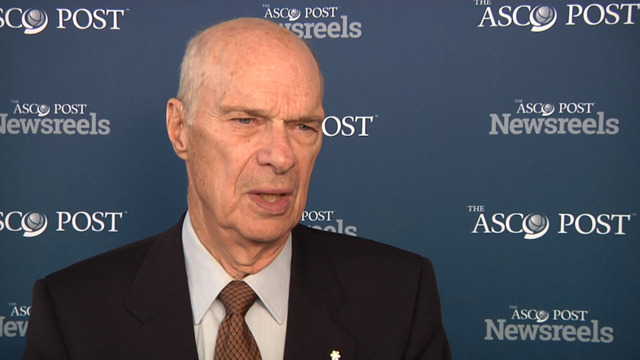
Richard G. Margolese, MD
Richard G. Margolese, MD, of McGill University discusses the improvement in breast cancer-free interval with anastrozole vs tamoxifen in patients with DCIS undergoing lumpectomy plus radiotherapy (Abstract LBA500).
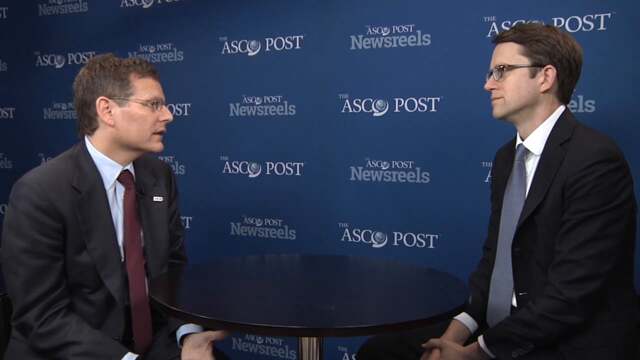
Dung T. Le, MD, and Axel Grothey, MD
Dung T. Le, MD, of Sidney Kimmel Comprehensive Cancer Center at Johns Hopkins University, and Axel Grothey, MD, of the Mayo Clinic, discuss how mismatch repair status predicts clinical benefit of immune checkpoint blockade with pembrolizumab (Abstract LBA100).