Martee L. Hensley, MD, on Leiomyosarcoma: Results From a GOG Treatment Trial
2018 ASCO Annual Meeting
Martee L. Hensley, MD, of Memorial Sloan Kettering Cancer Center, discusses phase III study findings on adjuvant gemcitabine plus docetaxel followed by doxorubicin vs observation for uterus-limited, high-grade leiomyosarcoma (Abstract 5505).
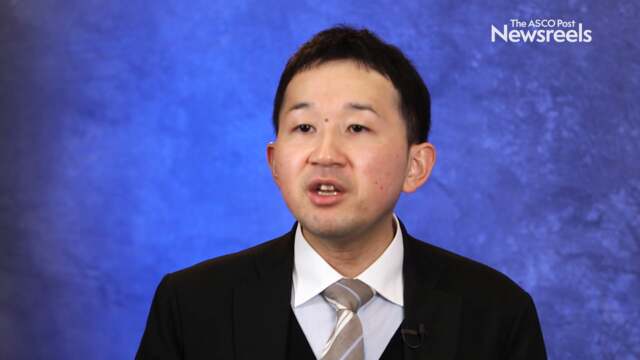
Naoki Furuya, MD, PhD, of the St. Marianna University School of Medicine, discusses phase III study findings on a comparison of bevacizumab plus erlotinib to erlotinib in patients with untreated non–small cell lung cancer with activating EGFR mutations (Abstract 9006).
Lee S. Schwartzberg, MD, of West Cancer Center, reports on the progress of the ACCC Immuno-Oncology Institute to speed adoption of immunotherapeutics in community practices.
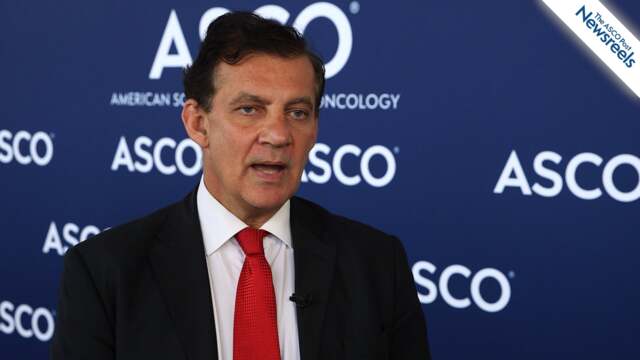
Meletios A. Dimopoulos, MD, of the National and Kapodistrian University of Athens, discusses phase III findings on ibrutinib/rituximab vs placebo/rituximab in Waldenström’s macroglobulinemia (Abstract 8003).
Julie M. Vose, MD, MBA, of the University of Nebraska Medical Center, and Nathan Hale Fowler, MD, of The University of Texas MD Anderson Cancer Center, discuss phase III study findings on lenalidomide plus rituximab vs chemotherapy plus rituximab, followed by rituximab maintenance, in patients with previously untreated follicular lymphoma (Abstract 7500).
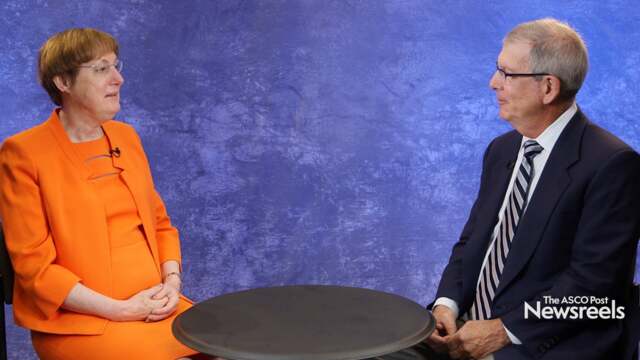
Allen S. Lichter, MD, ASCO’s former Chief Executive Officer, talks with Nancy E. Davidson, MD, of Fred Hutchinson Cancer Research Center, the 2018 recipient of the Visionary Leader Award, named for Dr. Lichter.