Excess Mortality Halts Trial of Venetoclax Added to DA-EPOCH-R in Double-Hit Lymphoma
Adding venetoclax to dose-adjusted EPOCH-R (DA-EPOCH-R) did not improve progression-free survival and resulted in excess toxicity and mortality among patients with newly diagnosed double-hit lymphoma, prompting early closure of the double-hit lymphoma cohort of the randomized ALLIANCE A051701...
Surviving Cancer Put Me On a Career Path in Cancer Research
I was just 24 and in seemingly perfect health when I began experiencing unexplained abdominal pain so excruciating, even daily doses of pain medication failed to provide relief. I was a senior in college and had enrolled in a summer internship program at the University of California, Davis, when my ...
Investment in Blood Cancer Research Has Saved Nearly 26 Million Years of Life, but Major Gaps in Survival Remain
Over the past 75 years, advances in the treatment of major blood cancers have saved more than 25 million years of life in the United States, according to results of an analysis led by researchers at Blood Cancer United and published by Chang et al in Blood Advances. But the gains have not reached...
Long-Term Survivors of Hodgkin Lymphoma May Face Elevated Health Risks, Study Finds
Adults who have survived Hodgkin lymphoma for at least 5 years may face significantly elevated long-term health risks and cancer and noncancer mortality, according to a new study led by researchers at The University of Texas MD Anderson Cancer Center. The retrospective population-based study,...
Mosunetuzumab With Response-Adapted Therapy in Previously Untreated NHL
According to the results of a phase II study reported by Lynch et al in the Journal of Clinical Oncology, a chemotherapy-free approach using subcutaneous single-agent mosunetuzumab, or, for patients without an initial complete response, mosunetuzumab followed by polatuzumab vedotin plus...
Technology-Enabled Intervention for HCT Recipients, Primary Care Doctors May Improve Skin Cancer Screening
Recipients of hematopoietic cell transplant (HCT) are at increased risk of skin cancer and screening for early detection is encouraged. New research published by Armenian et al in JNCCN—Journal of the National Comprehensive Cancer Network shows how a technology enabled, remotely delivered,...
Safety and Efficacy of IL-10–Expressing CAR T-Cell Therapy in Relapsed or Refractory DLBCL
In a nonrandomized phase I trial published in JAMA Oncology, ultra low–dose interleukin (IL)-10–expressing chimeric antigen receptor (CAR) T-cell therapy (META 10-19) appeared to be safe and active in patients with relapsed or refractory diffuse large B-cell lymphoma (DLBCL). Hu et al noted that...
Researchers Identify Donor NK Cell Subset That Impairs CAR NK Cell Therapy
Researchers from the University of Texas MD Anderson Cancer Center have discovered a mechanism of donor subset–driven chimeric antigen receptor (CAR) natural killer (NK) dysfunction and have developed a manufacturing strategy for improving the antitumor potency of CAR NK cell therapies for patients ...
Transplant Consolidation Improves Survival in Primary CNS Lymphoma
In the largest randomized trial in untreated primary central nervous system lymphoma to date, high-dose chemotherapy followed by autologous stem-cell transplantation improved progression-free and overall survival compared with nonmyeloablative consolidation in patients who responded to MATRix...
Pirtobrutinib Triplet Improves Progression-Free Survival in Previously Treated CLL
In the randomized phase III BRUIN CLL-322 trial, adding fixed-duration pirtobrutinib, a non-covalent Bruton tyrosine kinase (BTK) inhibitor, to venetoclax-rituximab significantly improved progression-free survival in patients with previously treated chronic lymphocytic leukemia or small lymphocytic ...
Germline Genetic Variants Associated With CAR T-Cell Therapy Safety and Efficacy in Hematologic Malignancies
Germline genetics impact the safety and efficacy of engineered chimeric antigen receptor (CAR) T-cell therapies in patients with hematologic malignancies, according to study findings published in Science Immunology. “These findings have important implications for understanding how CAR T cells...
ASCO Publishes First Guideline on ctDNA Testing in Solid Tumors and Lymphoma
A panel of ASCO experts voted to approve ASCO’s first guideline on ctDNA testing in patients with solid tumors or lymphoma on November 18, 2025.1 The guideline addresses four overarching clinical questions: when ctDNA testing should (or should not) be used to (1) support cancer diagnosis; (2)...
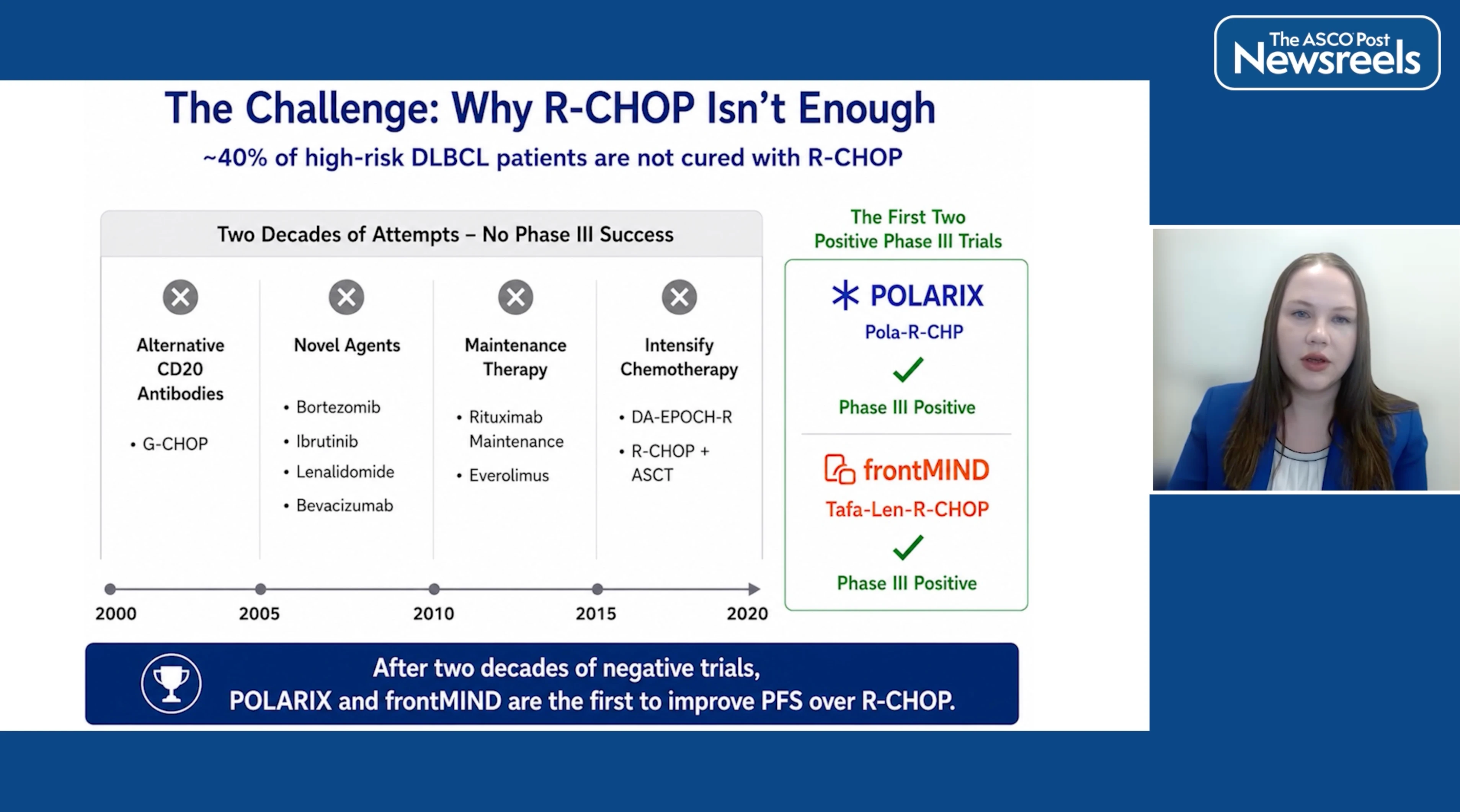
Jennifer Gile, MD, on High-Risk DLBCL: frontMIND and POLARIX Regimens
Jennifer Gile, MD, of Willamette Valley Cancer Institute, talks about the first positive phase III trials in the high-risk diffuse large B-cell lymphoma (DLBCL) space—POLARIX and frontMIND. POLARIX established the superiority of a modified regimen of rituximab, cyclophosphamide, doxorubicin, vincristine, and prednisone (R-CHOP) called pola-R-CHP, in which vincristine was replaced with polatuzumab vedotin, over standard R-CHOP; frontMIND showed that the addition of the CD19 monoclonal antibody tafasitamab plus the immunomodulatory drug lenalidomide to R-CHOP also improved outcomes over standard R-CHOP. Dr. Gile discusses current considerations when choosing between these regimens and how future research may lead to even more refined patient selection.
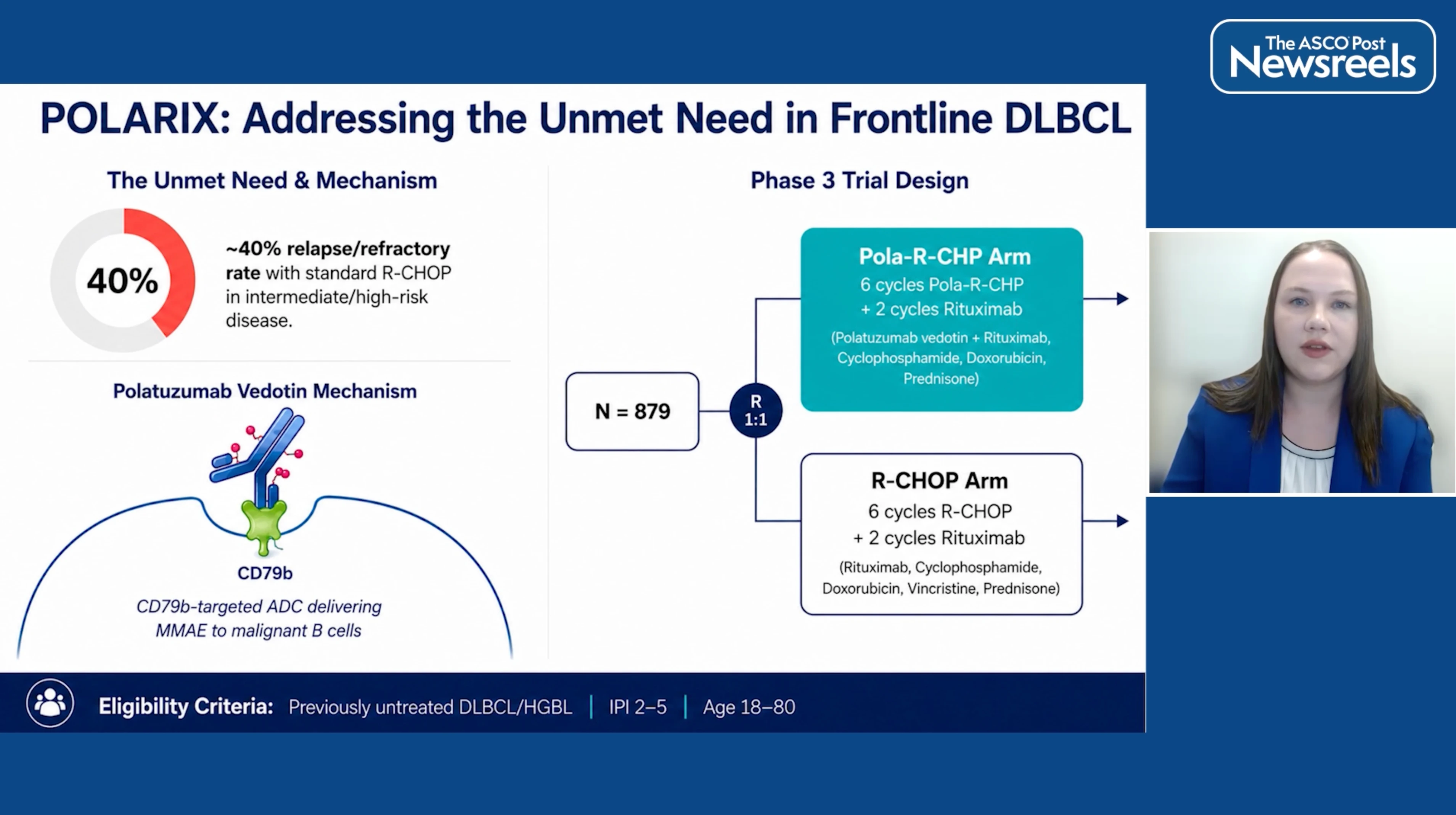
Jennifer Gile, MD, on First-Line Treatment of DLBCL: POLARIX Long-Term Update and Implications
Jennifer Gile, MD, of Willamette Valley Cancer Institute, reviews findings from the POLARIX study, a double-blind, placebo-controlled, international phase III trial that evaluated pola-R-CHP—a modified regimen of rituximab, cyclophosphamide, doxorubicin, vincristine, and prednisone (R-CHOP), in which vincristine was replaced with polatuzumab vedotin—as compared with standard R-CHOP, in patients with previously untreated intermediate-risk or high-risk diffuse large B-cell lymphoma (DLBCL). With a 5-year update from the trial being published recently, Dr. Gile discusses long-term results, the regimen’s performance in key high-risk subgroups, and how the study altered the front-line management of this disease.
POLARGO Trial Shows Survival Benefit With Polatuzumab Vedotin–Based Regimen in Relapsed or Refractory DLBCL
According to the results of the phase III POLARGO trial reported by Matasar et al in the Journal of Clinical Oncology, adding polatuzumab vedotin-piiq to rituximab, gemcitabine, and oxaliplatin (Pola-R-GemOx) significantly improved overall survival compared with standard rituximab, gemcitabine, and ...
Emergency Department Cancer Diagnosis Associated With Higher Mortality Across 16 Cancer Types
Diagnosis of a cancer upon emergency department presentation was associated with an elevated mortality rate, which was consistent across 16 analyzed cancer types, according to new research findings published in the Journal of the National Cancer Institute. “These gaps held up even after we...
AMP Recognizes NCI Pathologist With Award for Excellence in Molecular Diagnostics
Elaine S. Jaffe, MD, of the National Cancer Institute (NCI), has won the Association for Molecular Pathology’s (AMP) 2026 Award for Excellence in Molecular Diagnostics. AMP represents molecular diagnostics professionals and clinical laboratory scientists who develop and perform testing that guides ...
Meta-Analysis Highlights Cardiovascular Safety Advantage of Second-Generation BTK Inhibitors
In a meta-analysis published in The Oncologist, researchers found that second-generation Bruton's tyrosine kinase (BTK) inhibitors had a better cardiovascular safety profile than the first-generation BTK inhibitor ibrutinib for patients with B-cell malignancies. This led to fewer reported key...
Ten-Year Follow-up Shows Durable Remissions After CAR T-Cell Therapy for B-Cell Lymphoma
In the long-term follow-up to a phase II study published in The New England Journal of Medicine, Ruella et al found that a single infusion of the CD19-directed chimeric antigen receptor (CAR) T-cell therapy CTL019 (now called tisagenlecleucel) produced decade-long remissions in a subset of patients ...
Second Primary Malignancies After T-Cell–Engaging Bispecific Antibody Therapy
In a meta-analysis reported in JAMA Oncology, Tomasik et al found that second primary malignant neoplasms were a “clinically relevant complication” of treatment with T-cell–engaging bispecific antibodies (BsAbs) in patients with non-Hodgkin lymphoma or multiple myeloma. Study Details The analysis...
Ultra–High-Risk LBCL: Does High-Dose Methotrexate Reduce Rates of CNS Relapse?
In an analysis reported in the Journal of Clinical Oncology, Wilson et al found that prophylactic high-dose methotrexate does not provide significant benefit in reducing central nervous system (CNS) relapse in patients with ultra–high-risk large B-cell lymphoma (LBCL). Study Details The analysis...
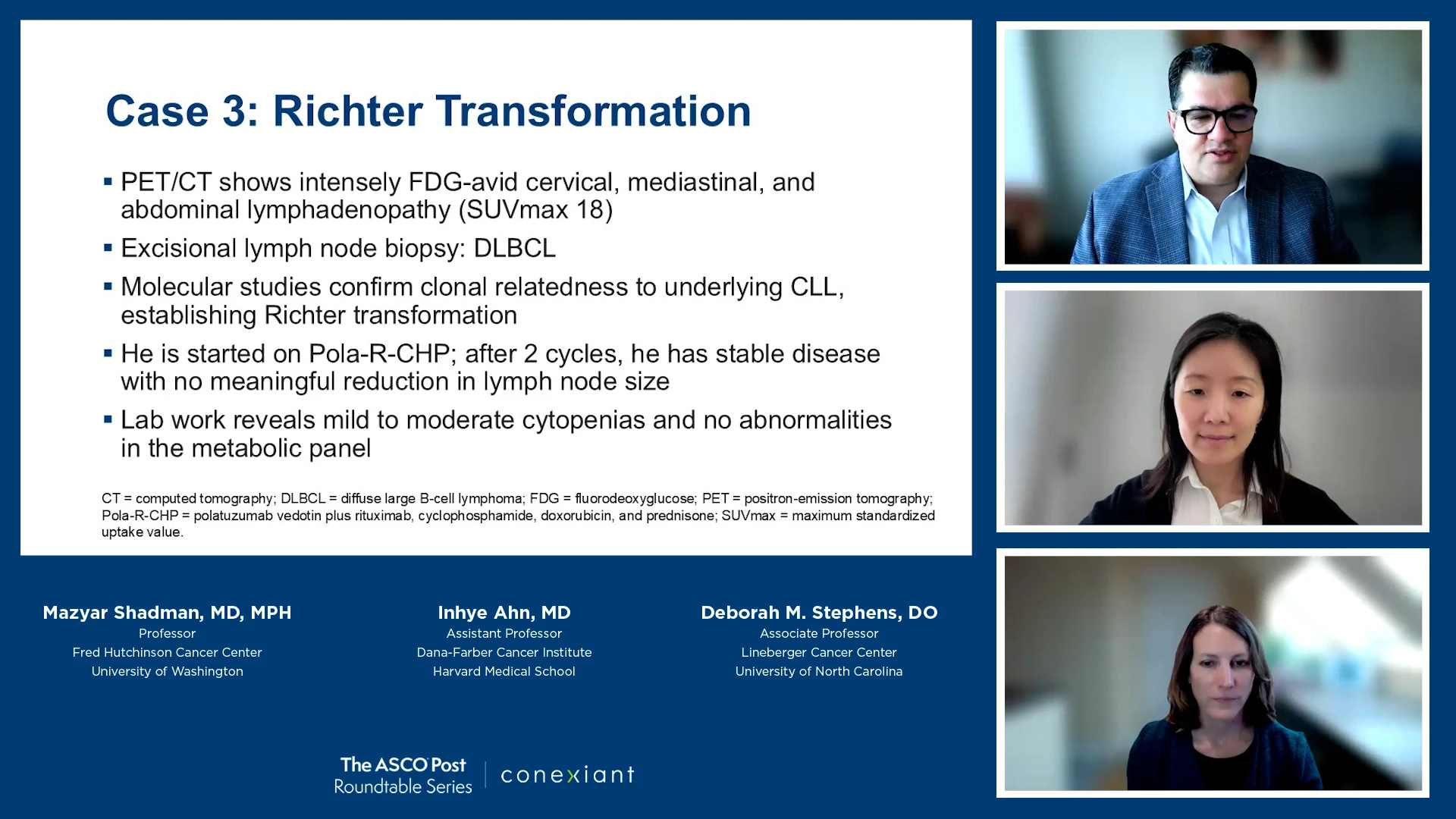
Case 3: Patient With Richter Transformation Refractory to Pola-R-CHP
This is Part 3 of CLL Treatment Sequencing: Where Do Next-Generation BTK Inhibitors Fit?, a three-part video roundtable series. Scroll down to watch the other videos from this roundtable. In this video, Mazyar Shadman, MD, MPH, Inhye Ahn, MD, and Deborah M. Stephens, DO, discuss the management of Richter transformation refractory to initial therapy. The patient is a 56-year-old man with CLL who was initially treated with a fixed-duration BTK inhibitor and BCL2 inhibitor combination, achieving a partial response. He was observed off therapy and then presented 2 years later with rapidly enlarging lymphadenopathy, elevated LDH, and biopsy-confirmed clonally related large B-cell lymphoma. He subsequently received first-line chemoimmunotherapy for Richter transformation without response. The faculty highlight the absence of approved therapies specifically for Richter transformation and the critical importance of clinical trial enrollment. They also explore the available off-label options and emerging agents showing activity in this setting, the role of pirtobrutinib as a treatment option with meaningful but time-limited responses, and the importance of early referral to specialized centers for consideration of allogeneic stem cell transplant in eligible patients who achieve remission.
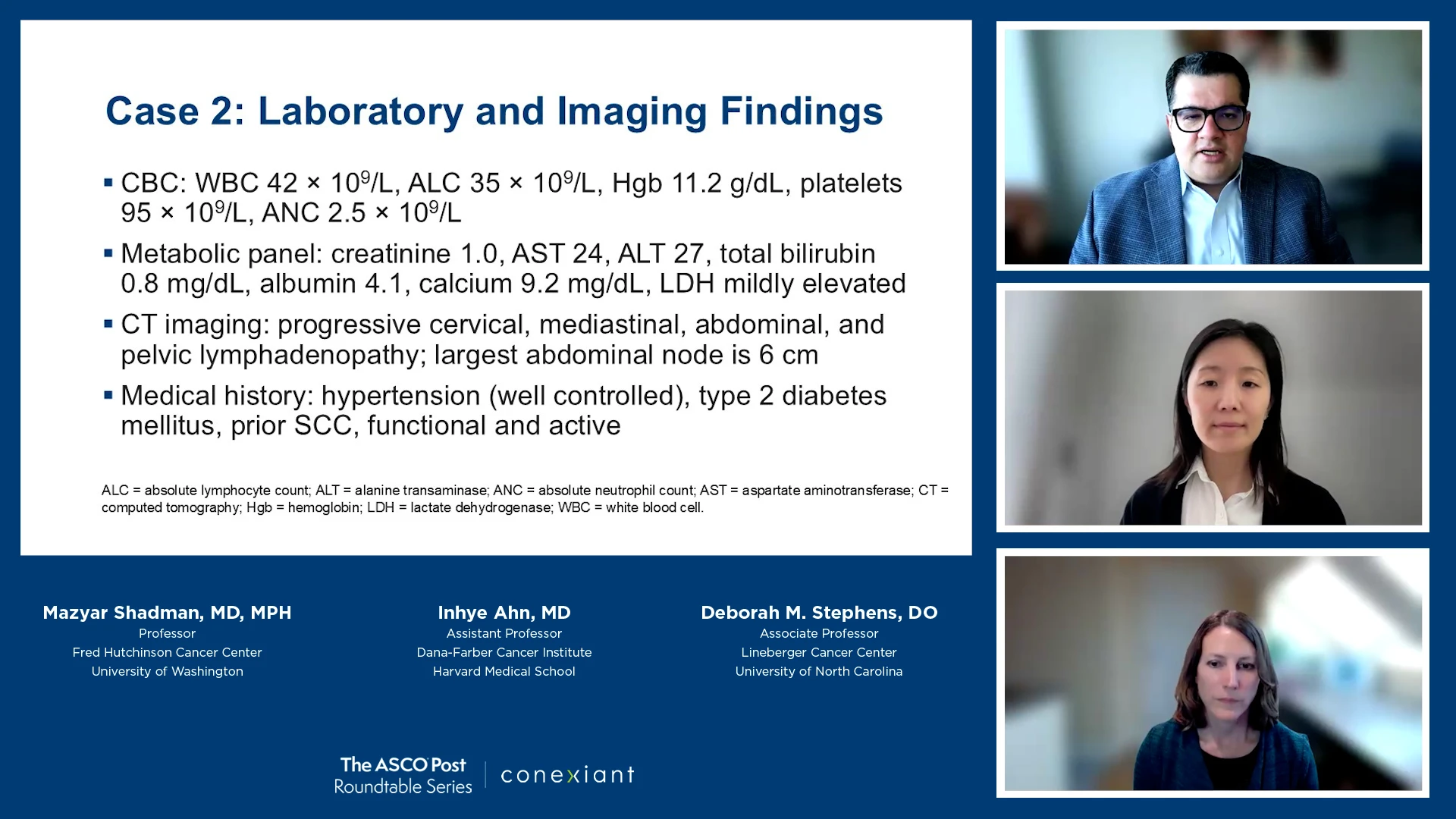
Case 2: Patient With Double-Refractory High-Risk CLL
This is Part 2 of CLL Treatment Sequencing: Where Do Next-Generation BTK Inhibitors Fit?, a three-part video roundtable series. Scroll down to watch the other videos from this roundtable. In this video, Mazyar Shadman, MD, MPH, Inhye Ahn, MD, and Deborah M. Stephens, DO, discuss treatment sequencing in multiply relapsed, high-risk chronic lymphocytic leukemia (CLL) after exposure to multiple drug classes. The patient is a 67-year-old man with CLL who has received three prior lines of therapy, including chemoimmunotherapy, a venetoclax-based regimen, and a second-generation covalent BTK inhibitor, with progressively shorter remissions and the emergence of del(17p) at most recent relapse. He presents with active disease, mild cytopenias, a history of squamous cell carcinomas, and otherwise well-controlled comorbidities. The faculty highlight the distinction between double-exposed and double-refractory CLL and its implications for treatment selection, the role of pirtobrutinib in this heavily pretreated population, the importance of early referral for CAR T-cell therapy or allogeneic stem cell transplant while patients are still responding to therapy, and the potential for pirtobrutinib to serve as effective bridging therapy through the cellular therapy process.
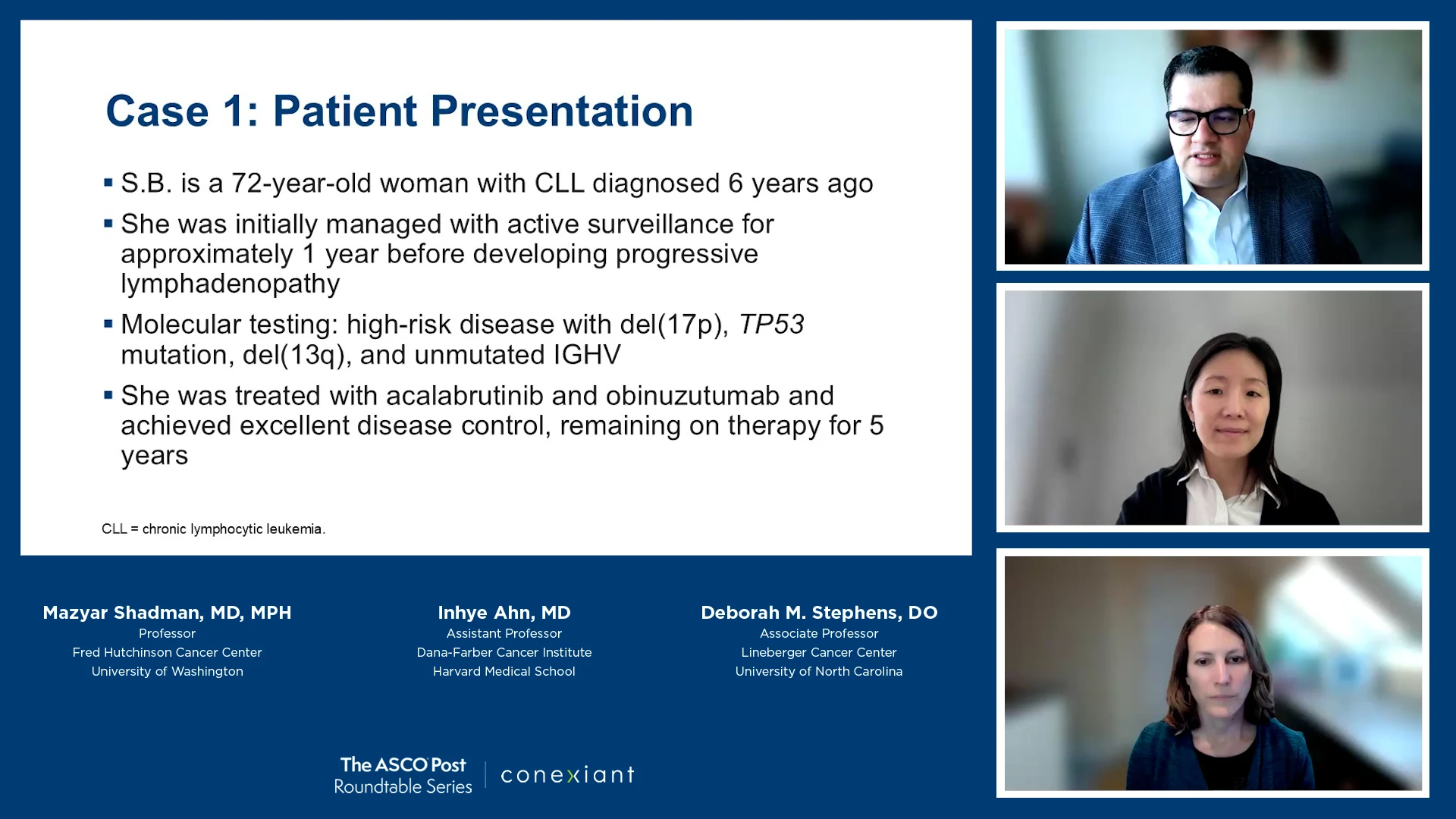
Case 1: Patient With BTK C481S Resistance Mutation Following Acalabrutinib/Obinutuzumab
This is Part 1 of CLL Treatment Sequencing: Where Do Next-Generation BTK Inhibitors Fit?, a three-part video roundtable series. Scroll down to watch the other videos from this roundtable. In this video, Mazyar Shadman, MD, MPH, Inhye Ahn, MD, and Deborah M. Stephens, DO, discuss treatment sequencing in chronic lymphocytic leukemia (CLL) after progression on a covalent BTK inhibitor. The patient is a 72-year-old woman with CLL and high-risk molecular features, including del(17p), TP53 mutation, and unmutated IGHV, who achieved a durable response to first-line acalabrutinib plus obinutuzumab before developing progressive disease with an acquired BTK C481S resistance mutation. She presents with symptomatic progression, cytopenias, and logistical considerations given her distance from the treatment center. The faculty highlight the role of venetoclax-based regimens vs pirtobrutinib as second-line options, the importance of individualizing treatment decisions based on patient comorbidities and practical factors, the significance of sequencing therapy with future options such as CAR T-cell therapy in mind, and the anticipated implications of the BRUIN CLL-322 trial data combining pirtobrutinib, venetoclax, and rituximab.
Tafasitamab/Lenalidomide Combination vs R-CHOP in High-Risk DLBCL: Phase III frontMIND Trial
In patients newly diagnosed with high-risk large B-cell lymphoma, the addition of the CD19 monoclonal antibody tafasitamab plus the immunomodulatory drug lenalidomide (Tafa/Len) to standard therapy led to a 25% reduction in the risk of death or progression in the phase III frontMIND trial....
Long-Term Follow-Up of Three First-Line Regimens in Mantle Cell Lymphoma
In an analysis reported in The Lancet, Dreyling et al provided long-term findings with three first-line regimens in the phase III TRIANGLE trial among patients aged 18 to 65 years with mantle cell lymphoma. Study Details In the international (13 European countries and Israel) open-label trial, 870...
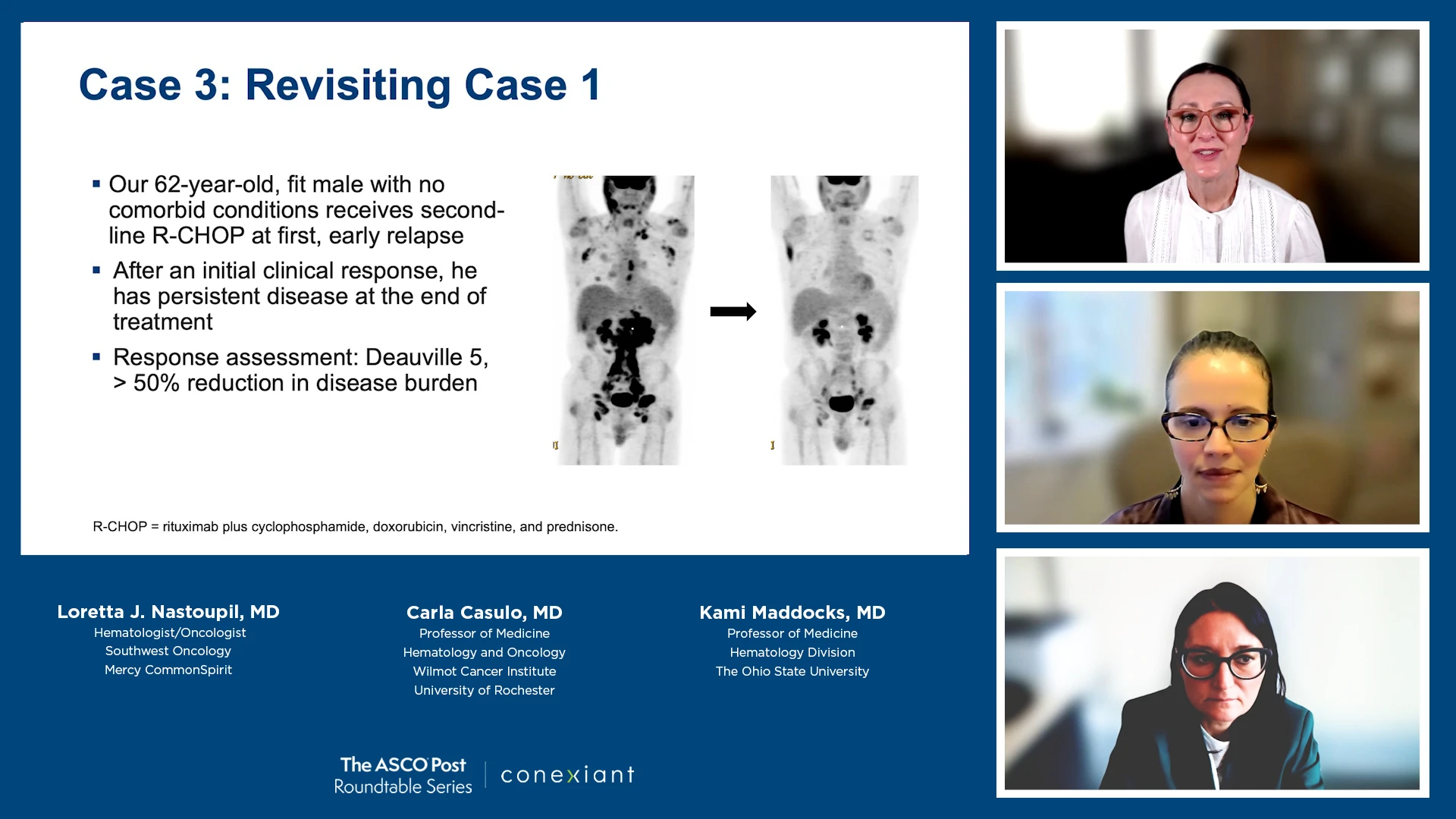
Case 3: Relapsed/Refractory Follicular Lymphoma in the Third Line and Beyond
This is Part 3 of Relapsed/Refractory Follicular Lymphoma: Choosing the Right Regimen for the Right Patient, a three-part video roundtable series. Scroll down to watch the other videos from this roundtable. In this video, Drs. Loretta Nastoupil, Carla Casulo, and Kami Maddocks discuss treatment options for relapsed/refractory high-risk follicular lymphoma in the third line and beyond. The patient is the 62-year-old fit male from Case 1 who, following front-line bendamustine/rituximab and a second-line anthracycline-based regimen, achieves only a partial response with persistent disease on PET. His disease subsequently progresses—presenting the faculty with the challenge of selecting a third-line approach for a young, heavily pretreated patient with high-risk disease characteristics. The faculty explore the role of rebiopsy at each relapse to rule out transformation, particularly in patients with persistent FDG-avid disease after multiple lines of chemoimmunotherapy. They discuss the available third-line options—including single-agent bispecific antibodies, bispecific-based triplet regimens, CAR-T cell therapy, and novel oral combinations—and how patient preferences and disease biology inform sequencing decisions. They also address the importance of infection mitigation strategies, including antimicrobial prophylaxis and IVIG replacement, given the cumulative immunosuppression seen in heavily pretreated patients.
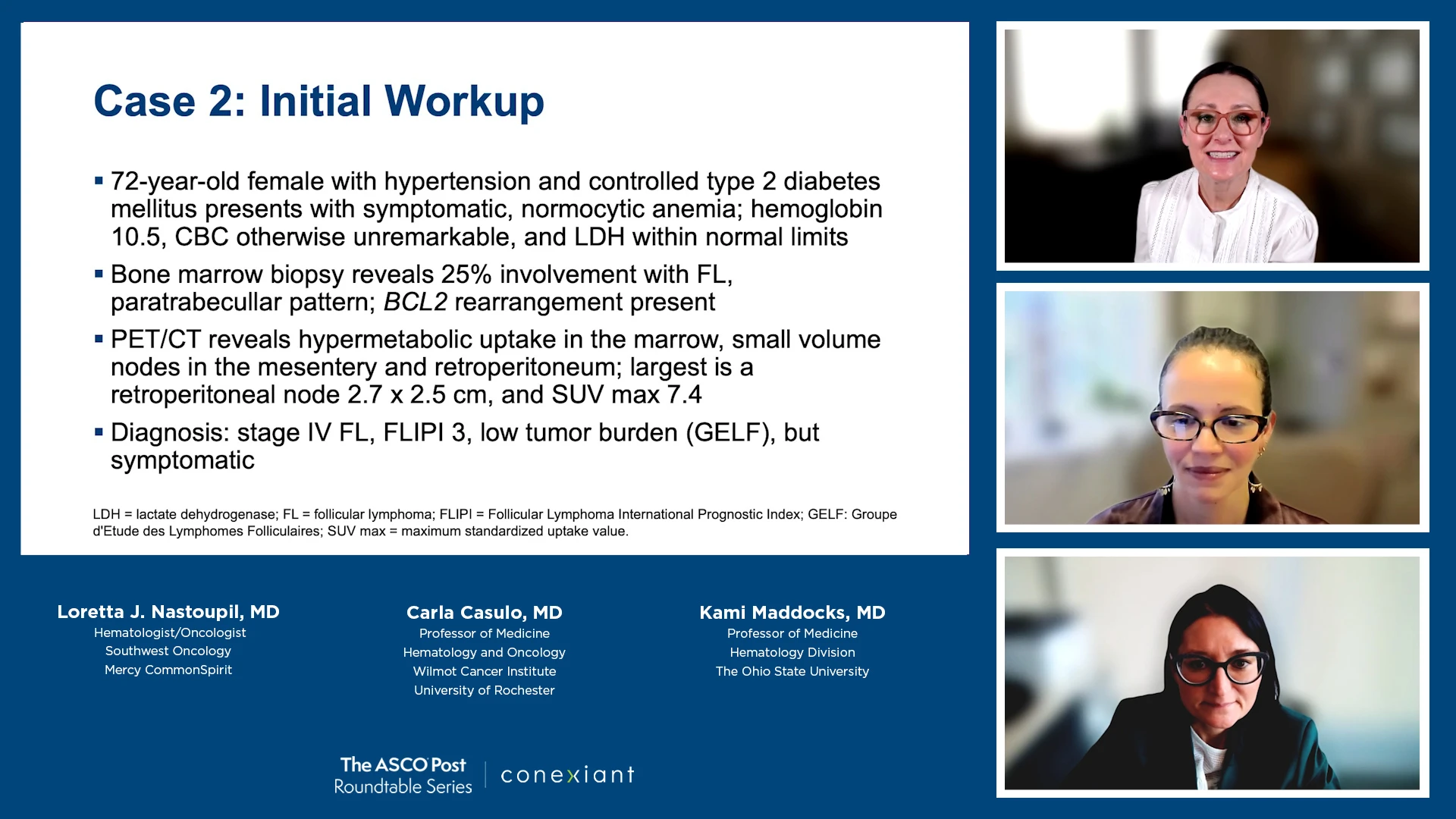
Case 2: Follicular Lymphoma With Relapse After Rituximab Monotherapy
This is Part 2 of Relapsed/Refractory Follicular Lymphoma: Choosing the Right Regimen for the Right Patient, a three-part video roundtable series. Scroll down to watch the other videos from this roundtable. In this video, Drs. Loretta Nastoupil, Carla Casulo, and Kami Maddocks discuss the management of follicular lymphoma that has relapsed after rituximab monotherapy. The patient is a 72-year-old woman with hypertension and controlled type 2 diabetes who initially presented with symptomatic anemia and stage IV, low-tumor-burden follicular lymphoma, achieved a response to single-agent rituximab. She now returns 6 years later at age 78 with fatigue, mild thrombocytopenia, recurrent anemia, and small-volume adenopathy, with a strong preference for maintaining her quality of life and daily activities. The faculty explore how patient age, comorbidities, remission duration, and treatment goals should guide second-line therapy selection in older adults with indolent follicular lymphoma. They discuss the rationale for retreatment with single-agent CD20-directed antibody therapy vs more intensive triplet regimens, and address the evolving role of bispecific antibodies and clinical trials in this setting, as well as when chemoimmunotherapy may still be appropriate for patients requiring rapid disease control.
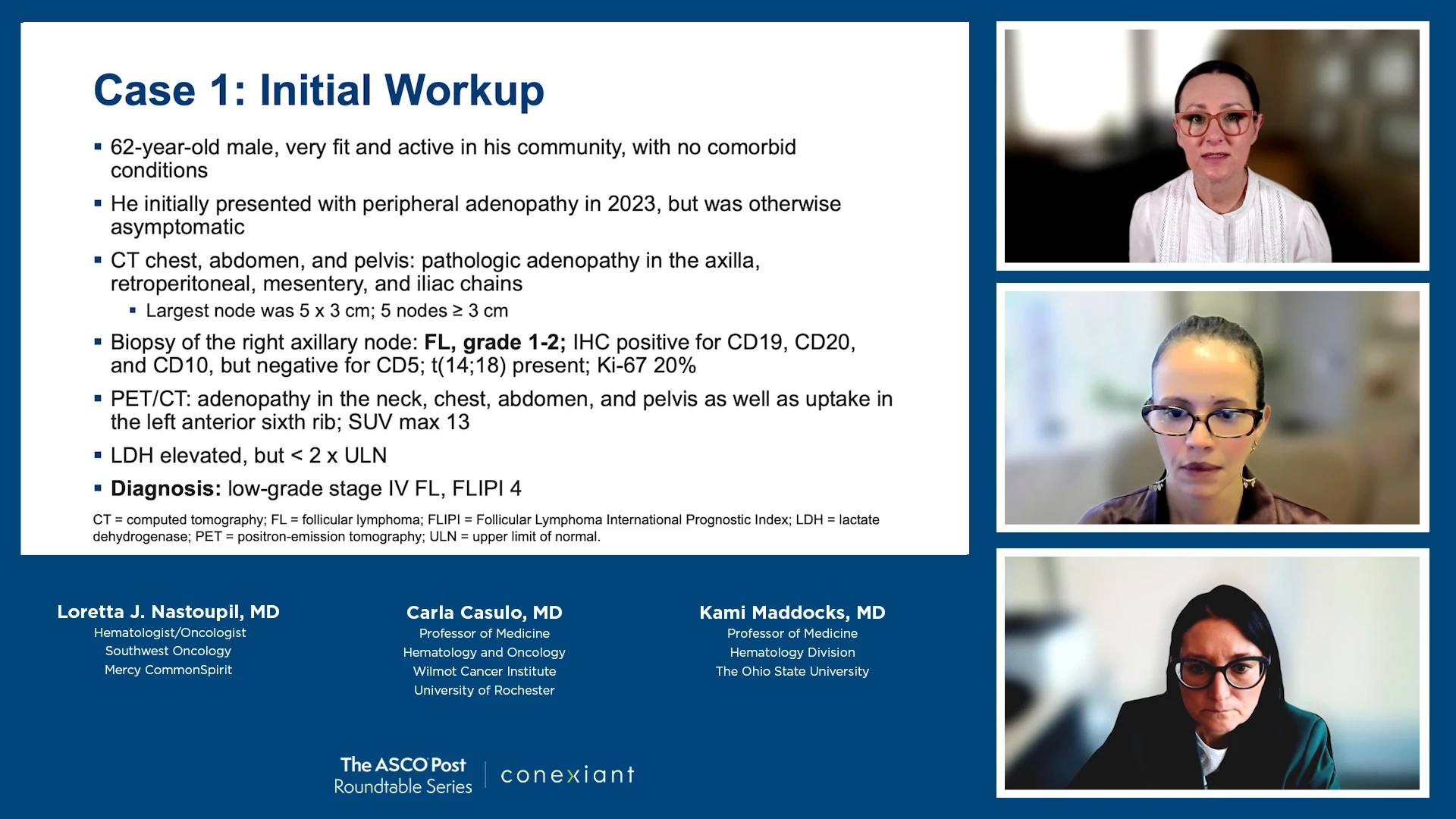
Case 1: Early Relapsed Follicular Lymphoma
This is Part 1 of Relapsed/Refractory Follicular Lymphoma: Choosing the Right Regimen for the Right Patient, a three-part video roundtable series. Scroll down to watch the other videos from this roundtable. In this video, Drs. Loretta Nastoupil, Carla Casulo, and Kami Maddocks discuss the management of relapsed/refractory follicular lymphoma after first and early relapse. The patient is a fit, 62-year-old man with no comorbid conditions who was diagnosed with advanced-stage, low-grade follicular lymphoma (FLIPI 4) and achieved a complete response to front-line bendamustine/rituximab. Approximately 2 years later, he returns with symptomatic relapse, high disease burden, and extranodal involvement confirmed on biopsy. The faculty explore the prognostic significance of progression within 24 months of front-line chemoimmunotherapy and the importance of rebiopsy to rule out transformation to large cell lymphoma. They discuss the emerging role of novel triplet regimens—specifically lenalidomide/rituximab combined with either tafasitamab or epcoritamab—as preferred options over chemotherapy in this setting. They also compare practical and logistical considerations for choosing between these two regimens, including administration route, visit burden, toxicity profiles, and biomarkers such as CD20 expression.
Study Finds DLBCL Subtype May Have Higher Mortality Risk in Female Patients
An international research team has shown that a specific subtype of diffuse large B-cell lymphoma (DLBCL) is associated with higher mortality risk in women than in men. The study was led by the laboratory of Ari Melnick, MD, Director of the Josep Carreras Leukaemia Research Institute and the Gebroe ...
Sonrotoclax Receives Accelerated Approval in Relapsed or Refractory MCL
On May 13, the U.S. Food and Drug Administration (FDA) granted accelerated approval to sonrotoclax (Beqalzi), a BCL-2 inhibitor, for adults with relapsed or refractory mantle cell lymphoma (MCL) after at least two lines of systemic therapy, including a Bruton’s tyrosine kinase (BTK) inhibitor....
Inherited Long Telomeres May Increase the Risk of Lymphoid Cancers
Researchers at the Johns Hopkins Kimmel Cancer Center and the Telomere Clinic at Johns Hopkins have identified a genetic syndrome in which unusually long telomeres—the protective caps at the ends of chromosomes—allow immune cells to remain biologically “younger” for longer than normal, predisposing ...
Integrated Molecular Analysis Identifies Determinants of Outcomes in TP53-Mutated DLBCL
In a study reported in the Journal of Clinical Oncology, Uppal et al identified factors associated with poorer outcomes in patients with TP53-mutated diffuse large B-cell lymphoma (DLBCL). Study Details The analysis included clinical and molecular data from 3,091 individuals which was derived from...
Four-Drug Regimen Induces High Complete Response Rate in Early-Stage Classical Hodgkin Lymphoma
High objective response and complete response rates were observed with treatment with brentuximab vedotin and nivolumab in combination with doxorubicin and dacarbazine chemotherapy in patients with early-stage classical Hodgkin lymphoma, according to the results of a phase II trial published in...
Lenalidomide Plus Rituximab in Relapsed or Refractory Indolent Non-Hodgkin Lymphoma: 5-Year Follow-up From AUGMENT
As reported in the Journal of Clinical Oncology by Leonard et al, the 5-year follow-up of the phase III AUGMENT trial has shown continued benefit of lenalidomide plus rituximab (R2) vs rituximab with placebo (R-placebo) in patients with relapsed or refractory indolent non-Hodgkin lymphoma. Study...
Metabolic Tumor Volume Predicts CAR T-Cell Therapy Response in LBCL
Positron-emission tomography (PET)-based metabolic tumor volume could serve as a significant measure of response to chimeric antigen receptor (CAR) T-cell therapy in patients with large B-cell lymphoma, according to the results of a study published in The Journal of Nuclear Medicine. Metabolic...
Bispecific Antibody Shows Deep Remission in Patients With Relapsed/Refractory Follicular Lymphoma
A population of patients with highly refractory follicular lymphoma achieved long-standing responses with few significant adverse events from odronextamab monotherapy, according to findings of the ELM-2 study. The study outcomes were published by Tessoulin et al in Clinical Lymphoma, Myeloma &...
FDA Grants Traditional Approval to Brexucabtagene Autoleucel for Relapsed or Refractory MCL
The U.S. Food and Drug Administration (FDA) has granted traditional approval to the chimeric antigen receptor (CAR) T-cell therapy brexucabtagene autoleucel (Tecartus) for adult patients with relapsed or refractory mantle cell lymphoma (MCL). The full approval now includes efficacy, safety, and...
FDA Approves Chemoimmunotherapy Regimen for Hodgkin Lymphoma
On March 20, the U.S. Food and Drug Administration (FDA) approved nivolumab (Opdivo) with doxorubicin, vinblastine, and dacarbazine (AVD) for adult and pediatric patients aged 12 years and older with previously untreated stage III or IV classical Hodgkin lymphoma. The FDA also granted traditional...
Early Study Evaluates Two-Vaccine Strategy in T-Cell Lymphoma
T-cell lymphomas are notoriously difficult to treat because immunotherapy, despite being one of the most effective therapies for treating cancer, can’t easily distinguish cancerous T cells from healthy ones. Now, scientists at The Wistar Institute have designed a two-vaccine approach that not only...
Lisocabtagene Maraleucel in Relapsed or Refractory MZL
In a phase II trial (TRANSCEND FL) reported in The Lancet, Palomba et al found that the chimeric antigen receptor (CAR) T-cell therapy lisocabtagene maraleucel was active in patients with relapsed or refractory marginal zone lymphoma (MZL). Study Details In the international multicenter trial, 67...
Dietary Influence on Leukemia and Lymphoma Progression
In 2015, LH, a 66-year-old female, was diagnosed with chronic lymphocytic leukemia (CLL), Rai stage 0. Untreated, the woman’s lymphocyte count rose from 5,000/mm3 to 16,000/mm3 in 6 years (doubling time = 4.2 years). She was then advised to stop eating red meat (see the figure). Commercially...
Fifteen-Year Results From SWOG S0016 Suggest Follicular Lymphoma May Be Curable
Advanced-stage follicular lymphoma is currently considered incurable. But a new analysis of long-term data from patients treated for the disease years ago with standard regimens of immunotherapy and a chemotherapy combination known as CHOP suggests that many of those patients can now be considered...
First Results of Phase III OLYMPIA-3: Odronextamab Plus CHOP in Untreated DLBCL
The bispecific antibody odronextamab plus standard CHOP (cyclophosphamide, vincristine, doxorubicin, prednisone) chemotherapy yielded robust and durable responses in treatment-naive patients with diffuse large B-cell lymphoma (DLBCL), based on the first results of the phase III OLYMPIA-3 study...
CLL/SLL: FDA Approves Combination of Acalabrutinib and Venetoclax
On February 19, the U.S. Food and Drug Administration (FDA) approved the Bruton’s tyrosine kinase inhibitor acalabrutinib (Calquence) tablets and capsules in combination with the BCL2 inhibitor venetoclax (Venclexta) for adults with chronic lymphocytic leukemia (CLL) or small lymphocytic lymphoma...
Epcoritamab Plus R2 in Follicular Lymphoma: A Potential New Treatment Standard
In patients with follicular lymphoma who received at least one prior line of therapy, the combination of the bispecific antibody epcoritamab-bysp and rituximab–lenalidomide (R2) reduced the risk of disease progression or death by almost 80% over R2 alone, based on the primary analysis of the phase...

Case 3: Management of Multiply Relapsed DLBCL
This is Part 3 of Personalizing Treatment Pathways in Relapsed/Refractory DLBCL, a three-part video roundtable series. Scroll down to watch the other videos from this roundtable. In this video, Drs. Jeremy Abramson, J. Erika Haydu, and Jacob Soumerai discuss the treatment of multiply relapsed diffuse large B-cell lymphoma (DLBCL). The patient is a 44-year-old man with stage IV, IPI 2, GCB-subtype, MYC/BCL2 double-hit lymphoma who achieved complete remission with front-line dose-adjusted EPOCH-R but relapsed at 18 months. As a young, transplant-eligible patient, he received R-DHAP with the goal of proceeding to autologous stem cell transplant. However, he progressed after two cycles with worsening hepatic dysfunction. In the conversation that follows, the faculty discuss age-based treatment selection for late relapse, the importance of monitoring for cytokine-release syndrome and immune effector cell–associated neurotoxicity, and treatment options after failure of CAR T-cell therapy—especially in the case of antigen loss.
Case 2: Second-Line Management of Relapsed DLBCL
This is Part 2 of Personalizing Treatment Pathways in Relapsed/Refractory DLBCL, a three-part video roundtable series. Scroll down to watch the other videos from this roundtable. In this video, Drs. Jeremy Abramson, J. Erika Haydu, and Jacob Soumerai discuss the second-line treatment of relapsed diffuse large B-cell lymphoma (DLBCL). The patient is a 74-year-old woman with stage IV, IPI 4, non-GCB subtype DLBCL who achieved complete remission with front-line Pola-R-CHP (polatuzumab vedotin plus rituximab, cyclophosphamide, doxorubicin, and prednisone) but relapsed 9 months later with symptomatic peritoneal lymphomatosis. Despite being 75 years old at relapse, she is considered eligible for chimeric antigen receptor (CAR) T-cell therapy, but she faces barriers to accessing this treatment and is interested in other options. In the conversation that follows, the faculty discuss CAR T-cell therapy eligibility in older patients, second-line treatment options for patients without CAR-T access, and treatment sequencing considerations.
Case 1: Management of Early Relapsed DLBCL
This is Part 1 of Personalizing Treatment Pathways in Relapsed/Refractory DLBCL, a three-part video roundtable series. Scroll down to watch the other videos from this roundtable. In this video, Drs. Jeremy Abramson, J. Erika Haydu, and Jacob Soumerai discuss the treatment of early relapsed diffuse large B-cell lymphoma. The patient is a 64-year-old woman with stage III, IPI 3, GCB-subtype DLBCL who developed primary refractory disease after R-CHOP therapy, with mixed/progressive findings on interim PET/CT after three cycles. Despite being relatively asymptomatic with an ECOG performance status of 1, confirmatory biopsy demonstrated persistent GCB DLBCL. In the conversation that follows, the faculty discuss the use of CAR T-cell therapy in the second-line treatment of DLBCL, bridging therapy considerations, and the management of cytokine-release syndrome.
Pirtobrutinib Improves Progression-Free Survival vs Bendamustine/Rituximab in Front-Line CLL/SLL
The first prospective, randomized phase III trial of a noncovalent Bruton’s tyrosine kinase (BTK) inhibitor exclusively in treatment-naive patients with chronic lymphocytic leukemia (CLL)/small lymphocytic lymphoma (SLL)—BRUIN CLL-313—demonstrated a statistically significant and clinically...
