
Short-term fasting before and after chemotherapy reduced insulin levels and was associated with improved treatment response in patients with high-grade serous ovarian cancer, according to results of a two-arm pilot randomized trial presented at the 2026 ASCO Annual Meeting (Abstract 5517).1 Patients assigned to short-term fasting also had longer progression-free survival than those assigned to a free diet.
“Despite advancements in surgery and chemotherapy, patients with advanced ovarian cancer still face poor outcomes,” said lead study author Claudia Marchetti, MD, of the Fondazione Policlinico Universitario Agostino Gemelli IRCCS, Rome, Italy, during a press briefing ahead of the meeting. “This highlights the urgent need for safe, low-cost, and easily implementable strategies that can enhance treatment efficacy and improve patient prognosis.”
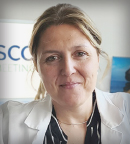
Claudia Marchetti, MD
High-grade serous ovarian cancer is often diagnosed at an advanced stage, and many patients receive neoadjuvant chemotherapy before surgery. However, most patients with advanced ovarian cancer eventually experience disease recurrence. Because insulin may support cancer growth and reduce the effectiveness of chemotherapy, the study tested whether short-term fasting could improve metabolic parameters and treatment response.
Short-Term Fasting vs Free Diet
The prospective two-arm trial was conducted at a single center in Rome. Eligible patients had newly diagnosed advanced high-grade serous ovarian cancer, were not suitable for primary cytoreductive surgery, and required neoadjuvant chemotherapy. Patients also had to have a body mass index of at least 19 kg/m². Major exclusions included diabetes mellitus, food allergies, eating disorders, and malnutrition.
Participants received carboplatin- and paclitaxel-based neoadjuvant chemotherapy and were randomly assigned to short-term fasting or a free diet, with evaluation for interval cytoreductive surgery after three cycles. Although a ketogenic diet arm was initially planned, it was closed early due to low compliance and preclinical data suggesting that a ketogenic diet may promote tumor growth.
Short-term fasting was defined as fasting from 36 hours before chemotherapy until 24 hours after the end of each chemotherapy cycle, with a maximum daily intake of 350 kcal. Patients in the fasting group could consume unrestricted water and herbal tea, up to 2 liters of vegetable juice, and small amounts of light vegetable broth. Between chemotherapy sessions, they ate regularly.
Insulin Levels, Pathologic Response, and Progression-Free Survival
The primary endpoint was the mean difference in insulin level variations between the groups after three cycles of neoadjuvant chemotherapy; secondary analyses included oncologic outcomes, toxicity, and immune profiling.
Eighteen patients in each arm completed three cycles of neoadjuvant chemotherapy and were included in the analysis. Baseline characteristics and insulin levels were well-balanced between the groups.
The primary endpoint was met. After three cycles of neoadjuvant chemotherapy, insulin levels increased by 9.76 µIU/mL in the free-diet group but decreased by 1.12 µIU/mL in the short-term fasting group (P= .01).
Patients who did not undergo interval cytoreductive surgery after three cycles had a greater increase in insulin levels than those who underwent surgery: 11.46 vs 1.35 µIU/mL (P = .033).
Short-term fasting was also associated with improved pathologic response. At interval cytoreductive surgery, a chemotherapy response score of 3, indicating complete or near-complete response, was observed in 58.8% of patients in the short-term fasting arm compared with 17.6% in the free-diet arm (P = .03).
After a median follow-up of about 18 months, median progression-free survival was 38 months in the short-term fasting arm vs 24 months in the free-diet arm (P = .045).
Translational analyses also showed lower levels of immunosuppressive granulocyte and monocyte subsets in the short-term fasting arm, suggesting that fasting may have been associated with immune changes that could make chemotherapy response more favorable. The investigators reported no relevant differences in chemotherapy toxicity between groups, suggesting that short-term fasting during chemotherapy was feasible and well tolerated.
Expert Perspective and Next Steps
Commenting on the study, Eleonora Teplinsky, MD, FASCO, Head of Breast and Gynecologic Medical Oncology at Valley-Mount Sinai Comprehensive Cancer Care and an ASCO Expert in gynecologic cancers, said the findings support further research.

Eleonora Teplinsky, MD, FASCO
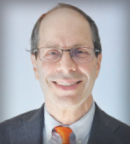
Eric J. Small, MD, FASCO
“Fasting during chemotherapy is an area of growing research interest. This pilot randomized clinical trial showed that short-term fasting before and after each chemotherapy cycle led to a reduction in insulin levels after 3 neoadjuvant chemotherapy cycles and improved pathologic response and progression-free survival in patients with ovarian cancer,” Dr. Teplinsky said. “While this is a small study, the findings are encouraging, support earlier data, and highlight a promising area of cancer research, with larger clinical trials now needed to build on these results.”
During the press briefing, Eric J. Small, MD, FASCO, 2025-2026 ASCO President, also emphasized the potential clinical relevance of the findings. He noted that the study showed short-term biologic effects of fasting, including effects on insulin and the immune environment, as well as a clinical impact.
“What’s so interesting about this study, and why we’ve selected it for the program, is that it had significant clinical impact, and this is a great example of a very simple intervention that has benefit and can be undertaken and implemented anywhere in the world,” Dr. Small said. “It’s not an expensive new drug. And yet, it has the potential to really have an impact on this cancer.”
“We look forward to the larger randomized trials,” he added.
According to the authors, the findings provide a rationale for longer follow-up and larger multicenter randomized studies to validate whether short-term fasting can improve outcomes in patients with ovarian cancer.
DISCLOSURE: Dr. Marchetti reported a consulting or advisory role with Arquer Diagnostics, AstraZeneca, Clovis Oncology, GlaxoSmithKline, MSK, Pharma&, and PharmaMar; speakers’ bureau with Arquer Diagnostics, AstraZeneca, GlaxoSmithKline, MSD, Pharma&, and PharmaMar; and travel expenses from AstraZeneca and Roche. Dr. Teplinsky has received honoraria from MJH Life Sciences, Sermo, and Total Health Conferencing; served as a consultant or advisor for Abbvie, Daiichi Sankyo/Astra Zeneca, Immunogen, Novartis, and Pfizer; and received travel expenses from Novartis, OncLive/MJH Life Scienc-es, Sermo, and Total Health Conferencing. This was a nonprofit study conducted without commercial funding. For full disclosures of the study authors, visit coi.asco.org.
REFERENCE
1. Marchetti C, et al: Short-term fasting compared to free diet in ovarian cancer. 2026 ASCO Annual Meeting; Abstract 5517. Presented May 30, 2026.
