
A 4-week structured yoga intervention program named Yoga for Cancer Survivors (YOCAS) improved overall mood disturbance, anxiety, and fatigue among cancer survivors, according to findings from a phase III randomized controlled trial presented at the 2026 ASCO Annual Meeting (Abstract 12004).1 The analysis also suggested that reductions in mood disturbance and fatigue may partly explain why the intervention improved insomnia.
“There is no single gold standard behavioral treatment available to survivors for treating overall mood disturbance, anxiety, fatigue, and insomnia,” said study author Yuri Choi, PhD, MSN, RN, of the University of Rochester Medical Center, in a news statement ahead of the meeting. “By demonstrating that YOCAS intervention improves all four of these cancer-related side effects and showing how improvements in overall mood disturbance, anxiety, and fatigue influence yoga’s effect on insomnia, this trial helps to fill that gap.”
Yoga for Cancer Survivors
Mood disturbance and insomnia are common and difficult-to-treat issues in cancer survivorship. According to the researchers, up to 95% of cancer survivors experience sleep disturbances or insomnia at some point during or after cancer treatment, and more than half experience overall mood disturbance, anxiety, or fatigue.
Yoga for Cancer Survivors, or YOCAS, is a 4-week intervention that includes gentle hatha and restorative yoga postures, breathing exercises, and mindfulness. Previous research showed that YOCAS was effective for treating insomnia. In the current analysis, the investigators evaluated whether YOCAS could also improve mood disturbance, anxiety, and fatigue and whether these changes helped explain improvements in insomnia.
Study Methods
The investigators conducted a nationwide, multisite, phase III randomized controlled trial through the University of Rochester Cancer Center (URCC) National Cancer Institute Community Oncology Research Program (NCORP) Research Base. Eligible participants were survivors of nonmetastatic cancer who were 2 to 24 months post–primary treatment, aged 21 years or older, had moderate or greater sleep disruption, and had not participated in yoga within the prior 3 months.
A total of 410 survivors were recruited from 12 community-based oncology practices across the United States and randomly assigned to receive standard survivorship care alone or standard survivorship care plus YOCAS. The mean age was 54 years, 96% were female, 93% were White, and 75% were breast cancer survivors.
KEY POINTS
- A 4-week yoga intervention significantly reduced overall mood disturbance, anxiety, and fatigue among cancer survivors compared with standard survivorship care.
- Improvements in overall mood disturbance and fatigue each accounted for approximately 25% of the insomnia improvements associated with YOCAS.
- The findings support gentle hatha and restorative yoga as a nonpharmacologic option for cancer survivors experiencing mood disturbance, anxiety, fatigue, and insomnia.
Participants assigned to YOCAS attended two 75-minute instructor-led yoga sessions per week for 4 weeks, in addition to at least 30 minutes of home-based yoga practice per week. The intervention included 18 gentle hatha and restorative yoga postures, breathing exercises, and mindfulness.
To support standardized delivery, 35 yoga instructors received specialized training. Participants in the intervention group also received a YOCAS kit that included materials to support home practice, including a yoga mat, strap, manual, and instructional videos.
Mood disturbance was assessed using the Profile of Mood States questionnaire, and insomnia was evaluated using the Insomnia Severity Index. Both questionnaires are highly utilized clinical assessment tools. The investigators assessed overall mood disturbance, anxiety, fatigue, and insomnia before and after the intervention.
Key Findings
Compared with participants who received standard survivorship care alone, those who participated in YOCAS had significantly less overall mood disturbance, anxiety, and fatigue after the intervention. YOCAS was associated with a 5.08-point lower total score for overall mood disturbance, corresponding to a moderate-to-large effect; a 0.72-point lower anxiety score, corresponding to a small-to-medium effect; and a 1.49-point lower fatigue score, corresponding to a medium-to-large effect.
Participants in the YOCAS group also had significant improvements from baseline to postintervention in overall mood disturbance, anxiety, and fatigue, whereas participants in the standard-care group did not.
The mediation analyses were an important part of the study. As Dr. Choi noted during the news briefing, these side effects are “interrelated,” with one potentially influencing another. Improvements in overall mood disturbance and fatigue each accounted for approximately 25% of the insomnia improvements associated with YOCAS, suggesting that the intervention may improve sleep both directly and indirectly by reducing other common survivorship symptoms.
Summary
The investigators concluded that clinicians should consider recommending gentle hatha and restorative yoga for cancer survivors who experience mood disturbance, anxiety, fatigue, or insomnia. Future research will examine the long-term effects of YOCAS and digital delivery methods to expand access, including online platforms and mobile apps. The study team also plans to explore approaches for adolescent and young adult survivors, rural populations, and other high-risk groups.
DISCLOSURE: Dr. Choi reported no conflicts of interest.
REFERENCE
1. Choi Y:YOCAS yoga, mood disturbance, and insomnia: A URCC NCORP Research Base nationwide, phase III, randomized, controlled trial with cancer survivors. Abstract 12004. ASCO Annual Meeting. Presented June 1, 2026.
EXPERT POINT OF VIEW
Findings from a phase III randomized controlled trial evaluating a 4-week yoga intervention program for survivors of nonmetastatic cancer were presented at a media briefing held in advance of the 2026 ASCO Annual Meeting (Abstract 12004).1 The study showed that the program, Yoga for Cancer Survivors, or YOCAS, improved overall mood disturbance, anxiety, and fatigue among study participants assigned to the yoga intervention program.
Commenting on the study, Fumiko Chino, MD, FASCO, a cancer researcher and Associate Professor in Breast Radiation Oncology at MD Anderson Cancer Center and an ASCO Expert in survivorship, said the trial data support yoga as a nonpharmacologic option for managing survivorship symptoms.

Fumiko Chino, MD, FASCO
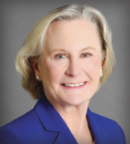
Julie R. Gralow, MD, FACP, FASCO,
“This large, randomized study shows that structured yoga may help relieve some of the most consistently reported and hard-to-treat issues in cancer survivorship, leading to decreased insomnia. It’s an important advance because it offers survivors, who are likely already managing multiple medications, a non-pharmaceutical solution for reducing four different side effects at once,” Dr. Chino said.
During the media briefing, moderator Julie R. Gralow, MD, FACP, FASCO, Chief Medical Officer of ASCO, said the study “confirms that yoga really is a scientifically proven tool to combat cancer-related fatigue and improve quality of life.” She added that “gentle, evidence-based practices, such as the restorative or therapeutic yoga studied here, are safe, highly effective tools for managing symptoms like fatigue, anxiety, and sleep disturbances during and after treatment.”
Dr. Gralow also noted that ASCO, in conjunction with the Society for Integrative Oncology, recommends yoga as an integrative therapy for patients undergoing cancer treatment and during survivorship, particularly gentle styles guided by instructors with oncology experience.
DISCLOSURE: Dr. Chino has served as a consultant or advisor for the Institute for Value Based Medicine. Dr. Gralow reported no conflicts of interest.
REFERENCE
1. Choi Y:YOCAS yoga, mood disturbance, and insomnia: A URCC NCORP Research Base nationwide, phase III, randomized, controlled trial with cancer survivors. Abstract 12004. ASCO Annual Meeting. Presented June 1, 2026.
