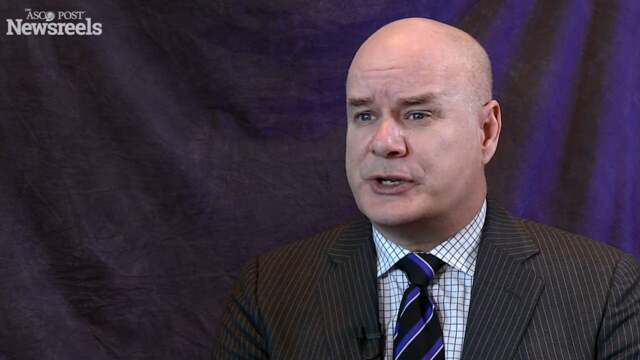
Nadeem Abu-Rustum, MD, on Cervical Cancer: Evolving Treatment Strategies
2016 NCCN Annual Conference (1)
Nadeem Abu-Rustum, MD, of Memorial Sloan Kettering Cancer Center, discusses improvements in fertility-sparing surgery for young women, advances in lymph node assessment, and the evolving role of chemotherapy and radiation.
Toby C. Campbell, MD, of the University of Wisconsin Carbone Cancer Center, discusses palliative care, hospice care, and best supportive care practices, as well as the challenges of symptom management and end-of-life issues.
Christopher Willett, MD, of Duke Cancer Center, discusses short and long courses of treatment, neoadjuvant chemotherapy with or without radiation, and organ preservation without surgery.
Alan Venook, MD, of the UCSF Helen Diller Family Comprehensive Cancer Center, discusses new observations on biomarkers, the best combinations of therapies, and how to sequence them.
Kevin C. Oeffinger, MD, of Memorial Sloan Kettering Cancer Center, discusses American Cancer Society recommendations, including the advice that women with an average risk of breast cancer should undergo regular screening mammography starting at age 45, and that women 55 and older should have biennial screening.
Joseph B. Narus, DNP, GNP-BC, ANP, of Memorial Sloan Kettering Cancer Center, discusses the impact of cancer treatment on men’s sexual health, and treatment options to improve erectile function.