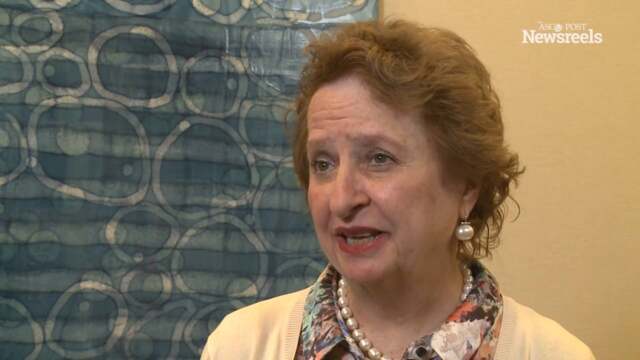
Mark Lazenby, PhD, APRN, FAPOS, on Distress Screening in the Community Setting
2015 IPOS APOS World Congress of Psycho-Oncology
Mark Lazenby, PhD, APRN, FAPOS, of the Yale School of Nursing, discusses the APOS–ACCC project to screen for psychosocial distress in community cancer centers. These model programs improve patient care and the patient experience.
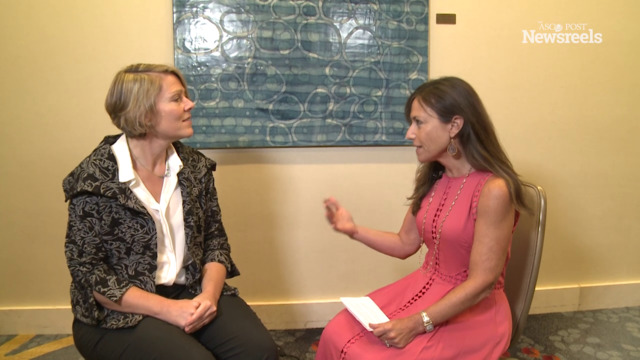
Lori Wiener, PhD, DCSW, LCSW-C, and Karen Fasciano, PsyD
Lori Wiener, PhD, DCSW, LCSW-C, of the National Cancer Institute, and Karen Fasciano, PsyD, of the Dana-Farber Cancer Institute, discuss the challenges of the art and science of psycho-oncology.
Allison J. Applebaum, PhD, and William S. Breitbart, MD
Allison J. Applebaum, PhD, and William S. Breitbart, MD, of Memorial Sloan Kettering Cancer Center, explain how they brought this new treatment to help stressed caregivers of loved ones with cancer.
Robert T. Croyle, PhD
Robert T. Croyle, PhD, of the National Cancer Institute, discusses the research program on the variation in the quality of cancer care, our ability to monitor quality and measure outcomes, and understand the psychosocial aspects of care.
Irene Higginson, MD
Irene Higginson, MD, of Cicely Saunders International, discusses the goals of psychosocial palliative care for patients around the world with advanced cancer.
Andrea F. Patenaude, PhD
Andrea F. Patenaude, PhD, of Dana-Farber Cancer Institute, discusses the challenges to implementing standards for pediatric and adolescent psycho-oncology and looks ahead at next steps in the field.