Priscilla K. Brastianos, MD, on Genetic Screening of Brain Metastases
2015 European Cancer Congress
Priscilla K. Brastianos, MD, of Massachusetts General Hospital, discusses genomic characterization of brain metastases and paired primary tumors, which could reveal potential therapeutic targets (Abstract 2905).
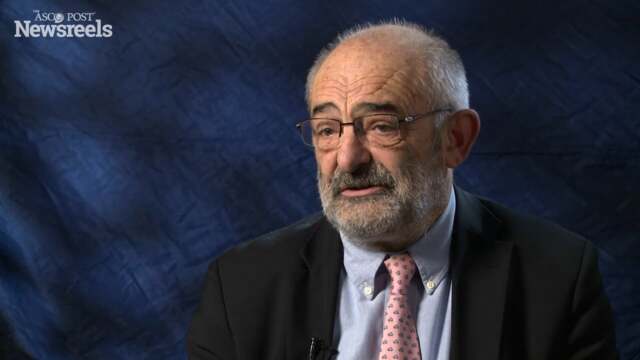
Jean-Yves Douillard, MD, PhD
Jean-Yves Douillard, MD, PhD, of Centre R Gauducheau, reviews new clinical trials and data on systemic and radiation treatment of small cell lung cancer.
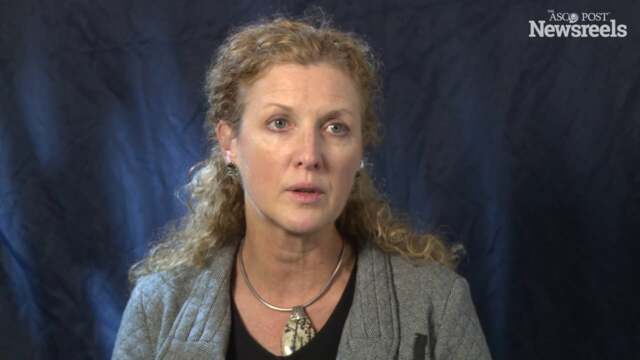
Lisa Carey, MD
Lisa Carey, MD, of the University of North Carolina, discusses heterogeneity, treatment response, and outcome in HER2-positive breast cancer.
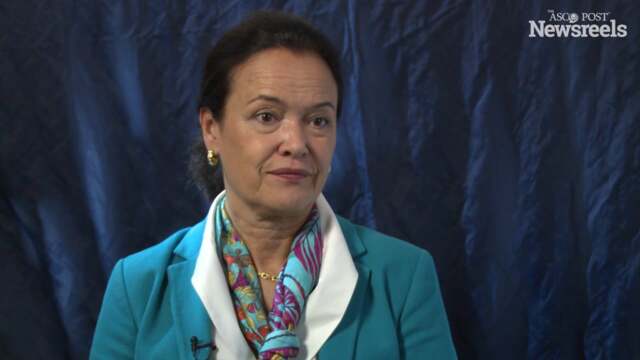
Martine J. Piccart-Gebhart, MD, PhD
Martine J. Piccart-Gebhart, MD, PhD, of the Jules Bordet Institute, and ECCO President, discusses ways in which imaging can form the solution to individualized cancer treatment.
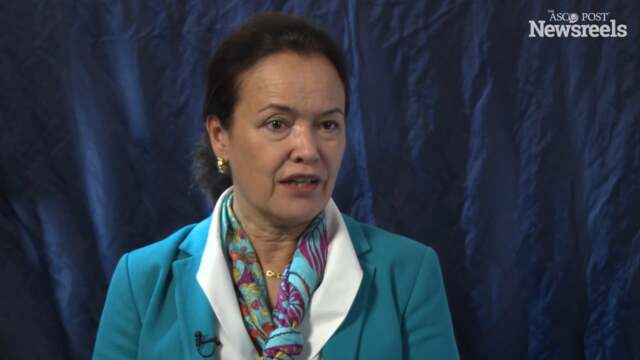
Martine J. Piccart-Gebhart, MD, PhD
Martine J. Piccart-Gebhart, MD, PhD, of the Jules Bordet Institute, discusses the ESMO initiative to make cancer drugs affordable.
A. Oliver Sartor, MD
A. Oliver Sartor, MD, of Tulane University School of Medicine, discusses the latest results of a clinical trial on radium-223 dichloride and the improvement in overall survival of men with advanced prostate cancer (Abstracts 2510, 2530).