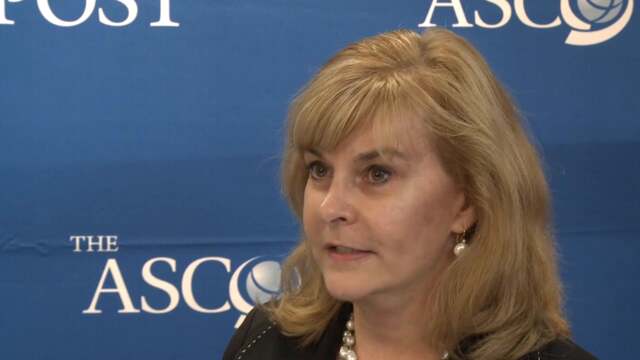
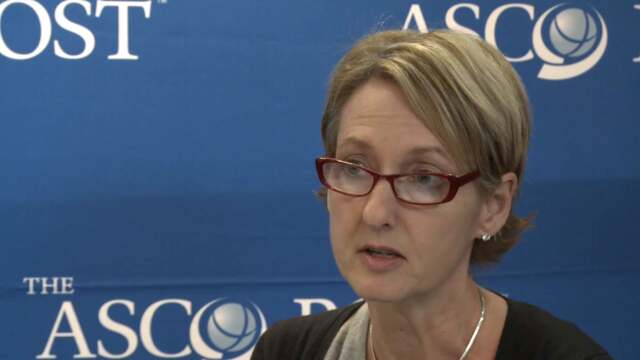
Julie M. Vose, MD, MBA, FASCO
Julie M. Vose, MD, MBA, FASCO, of the University of Nebraska Medical Center, offers her thoughts on abstract 289, “Nivolumab in Patients With Relapsed or Refractory Hodgkin Lymphoma: Preliminary Safety, Efficacy, and Biomarker Results of a Phase I Study,” presented by Philippe Armand, MD, PhD.
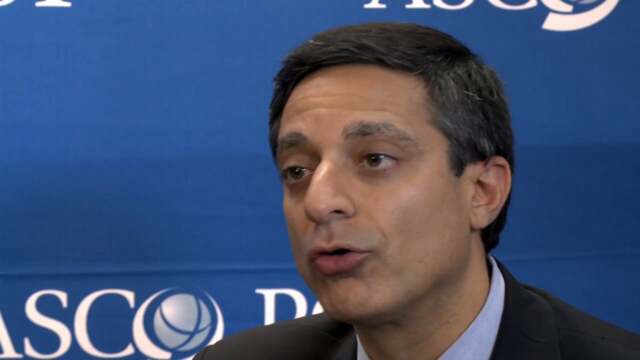
Sagar Lonial, MD
Sagar Lonial, MD, of Winship Cancer Institute, offers his thoughts on abstract 302, “Final Results for the 1703 Phase Ib/II Study of Elotuzumab in Combination With Lenalidomide and Dexamethasone in Patients With Relapsed/Refractory Multiple Myeloma,” presented by Paul G. Richardson, MD; abstract 84, “Safety and Efficacy of Daratumumab With Lenalidomide and Dexamethasone in Relapsed or Relapsed/ Refractory Multiple Myeloma,” presented by Torben Plesner, MD; and “A Phase Ib Dose Escalation Trial of SAR650984 (Anti–CD-38 mAb) in Combination With Lenalidomide and Dexamethasone in Relapsed/Refractory Multiple Myeloma,” presented by Thomas G. Martin III, MD.
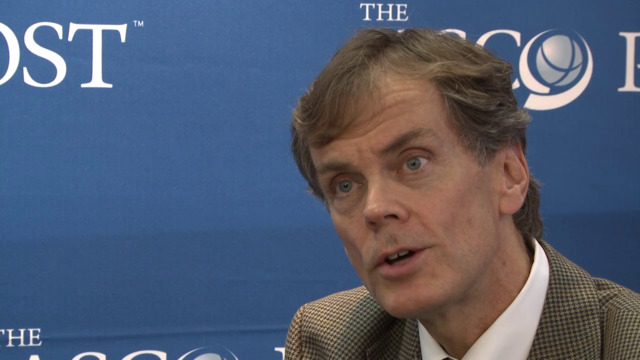
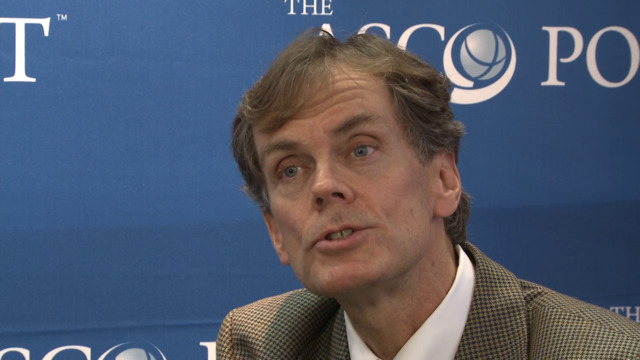
Laurie Sehn, MD
Laurie Sehn, MD, of the BC Cancer Agency, on abstract 289, “Nivolumab in Patients With Relapsed or Refractory Hodgkin Lymphoma: Preliminary Safety, Efficacy, and Biomarker Results of a Phase I Study,” presented by Philippe Armand, MD, PhD.