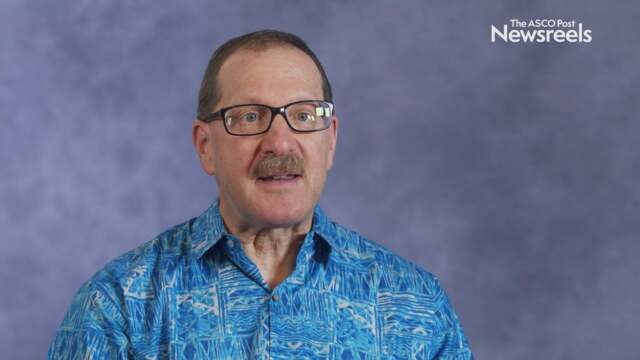
Kieron M. Dunleavy, MD, on B-Cell Malignancies: Novel-Novel Drug Combinations
Pan Pacific Lymphoma Conference 2018
Kieron M. Dunleavy, MD, of George Washington University, discusses the need for drug combinations to improve lymphoma therapy, despite unexpected toxicities, as our understanding of the molecular biology grows.
Sagar Lonial, MD, of the Emory University School of Medicine, discusses the importance of planning for relapse based on the treatment a patient has received, new targets for refractory myeloma, and the role of cellular therapy.
Susan M. O’Brien, MD, of the University of California, Irvine, discusses three oral agents for the treatment of chronic lymphocytic leukemia/small lymphocytic lymphoma, and the use of chemotherapy for the disease.
Laurie H. Sehn, MD, MPH, of the British Columbia Cancer Centre for Lymphoid Cancer, discusses the challenges of treating high-grade B-cell lymphoma in older patients and those with comorbidities. Several strategies have been devised, but more research is needed as well as more options for novel therapies.
Julie M. Vose, MD, MBA, of the University of Nebraska Medical Center, and David G. Maloney, MD, PhD, of Fred Hutchinson Cancer Research Center and winner of this year’s Oliver Press Memorial Award, discuss three CAR T-cell products for lymphoma treatment, comparing their efficacy, toxicity, ease of use, and the clinical resources needed.
Philip J. Bierman, MD, of the University of Nebraska Medical Center, discusses how to identify and treat the 1% to 2% of patients with diffuse large B-cell lymphoma who have central nervous system involvement as well as systemic sites at the time of diagnosis.