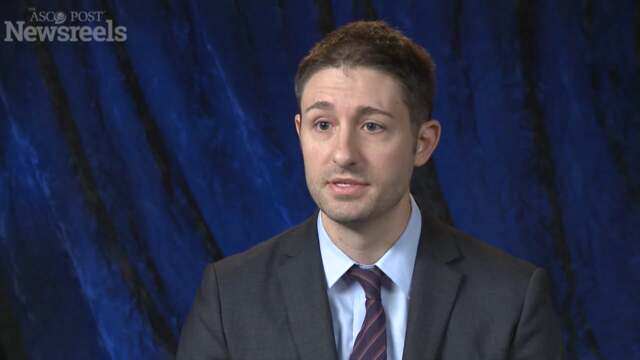
Sriram Yennu, MD, on Patient Perception of Curability
2016 Palliative Care in Oncology Symposium
Sriram Yennu, MD, of The University of Texas MD Anderson Cancer Center, discusses findings from a study of an international cohort of patients with advanced cancer who received palliative care. Nearly half the patients incorrectly believed their cancer was curable (Abstract 5).
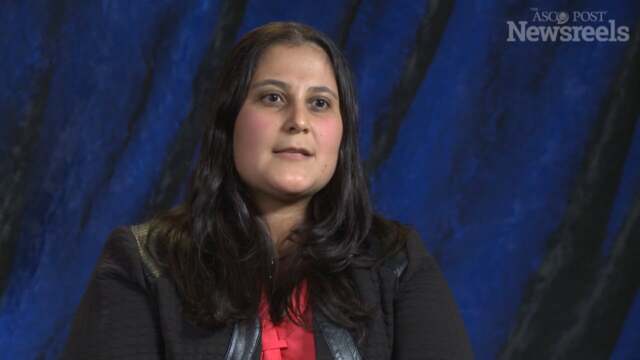
Areej El-Jawahri, MD, of Massachusetts General Hospital, discusses ways in which palliative care can reduce symptoms, improve quality of life, reduce depression and anxiety, and potentially optimize end-of-life care for patients with hematologic malignancies.
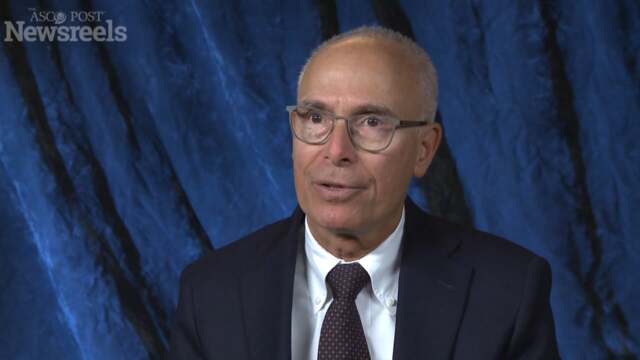
Stephen T. Sonis, DMD, DMSc, of Dana-Farber Cancer Institute, discusses the epidemiology, pathogenesis, and scope of oral complications of radiation therapy.
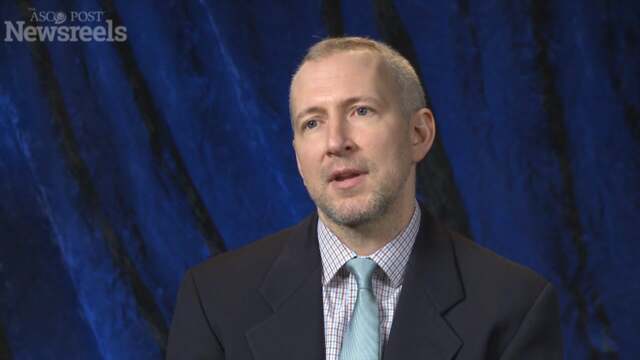
Joseph A. Greer, PhD, of Massachusetts General Hospital, discusses the development of a mobile application to address treatment adherence and symptoms (Abstract 104).
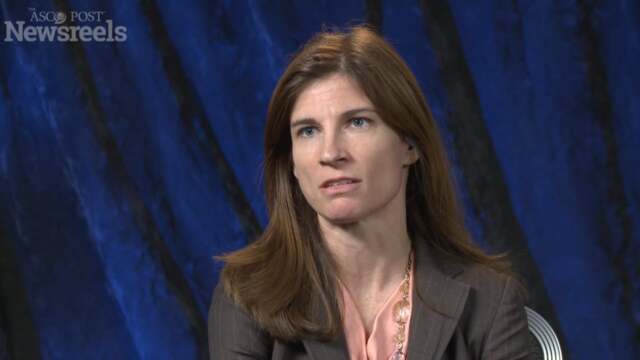
Tracy A. Balboni, MD, MPH, of the Dana-Farber Cancer Institute, talks about how to preserve quality of life in the presence of complex spinal lesions, including novel ways to assess spinal instability and treat metastases.
J. Nicholas Dionne-Odom, PhD, of the University of Alabama at Birmingham, discusses the “hidden” health-care workforce of family caregivers and what clinicians can do to help ease the burden on families.