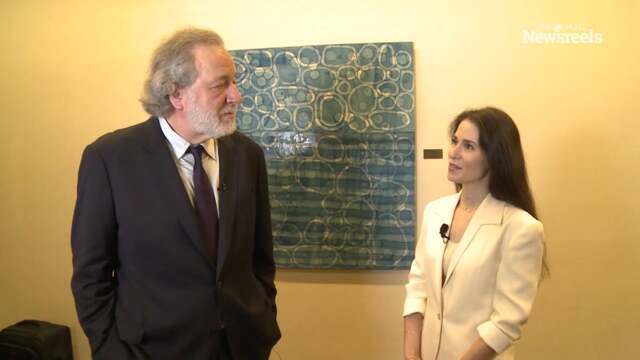
Allison J. Applebaum, PhD, and William S. Breitbart, MD, on Adapting Meaning-Centered Psychotherapy for Caregivers
2015 IPOS APOS World Congress of Psycho-Oncology
Allison J. Applebaum, PhD, and William S. Breitbart, MD, of Memorial Sloan Kettering Cancer Center, explain how they brought this new treatment to help stressed caregivers of loved ones with cancer.
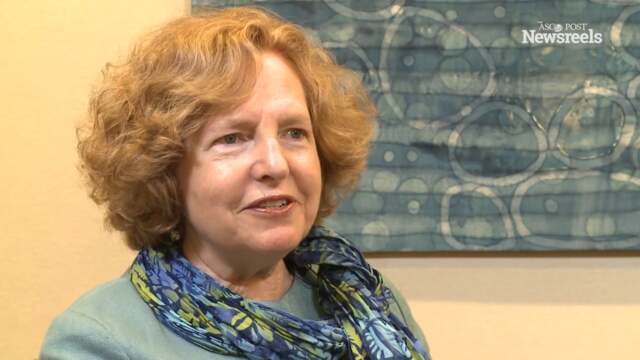
Julia H. Rowland, PhD
Julia H. Rowland, PhD, of the National Cancer Institute, discusses the growing number of promising interventions to improve health and function for those living with and beyond a cancer diagnosis, as well as those who care for and about them.
Allison J. Applebaum, PhD, and William S. Breitbart, MD
Allison J. Applebaum, PhD, and William S. Breitbart, MD, of Memorial Sloan Kettering Cancer Center, discuss the early days of this new treatment for despair and distress in cancer patients.
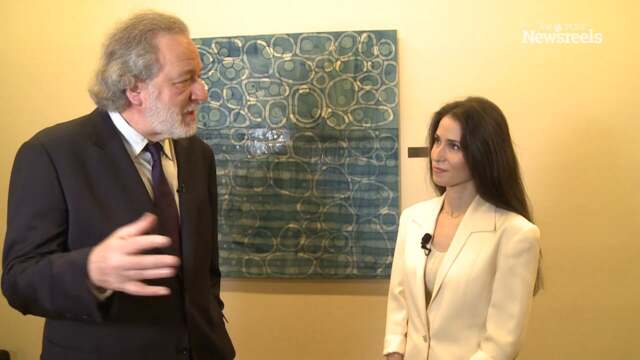
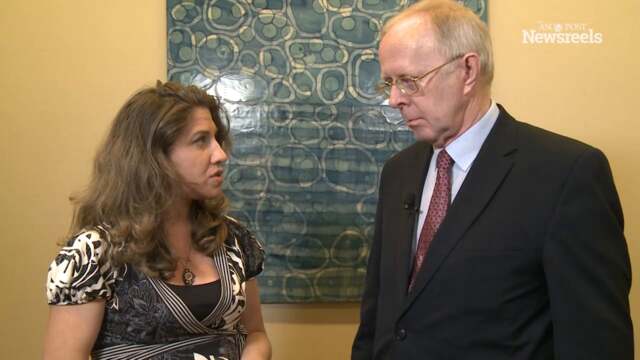
Wendy Lichtenthal, PhD, and David Kissane, MD
Wendy Lichtenthal, PhD, of Memorial Sloan Kettering Cancer Center, and David Kissane, MD, of Monash University, discuss the importance of and challenges with attending to the whole family during palliative care.
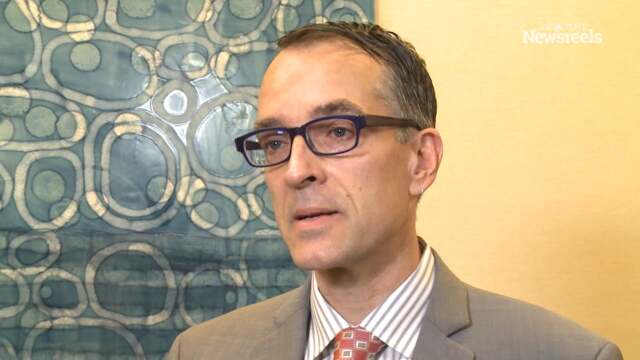
Christopher J. Recklitis, PhD, MPH
Christopher J. Recklitis, PhD, MPH, of the Dana-Farber Cancer Institute, discusses what is known about suicide after cancer, the risks faced by prostate cancer patients within the first year after diagnosis, and challenges across the treatment trajectory
Allison J. Applebaum, PhD, and William S. Breitbart, MD
Allison J. Applebaum, PhD, and William S. Breitbart, MD, of Memorial Sloan Kettering Cancer Center, discuss a powerful treatment approach that is grounded in a moving personal story.