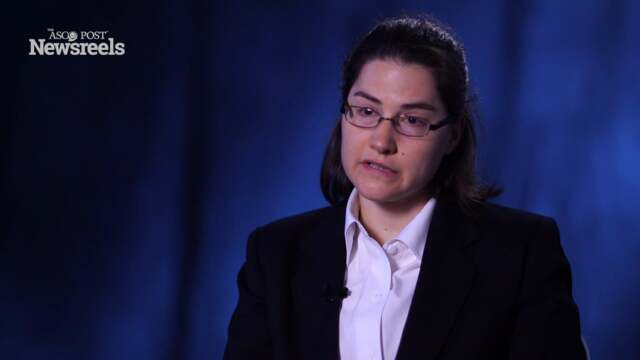
James R. Jett, MD, on Screening With Early CDT and CT
2015 IASLC World Conference on Lung Cancer
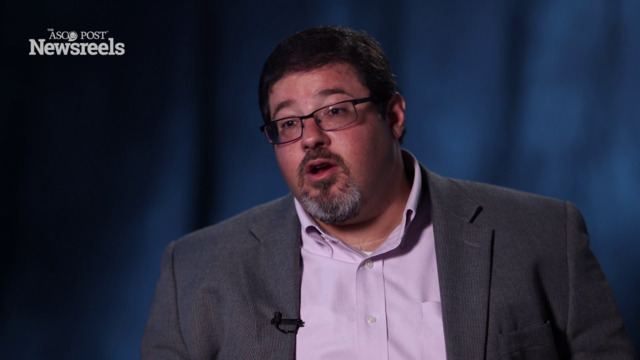
James R. Jett, MD, of National Jewish Health, discusses his study of the early CDT-Lung biomarker. His hypothesis: When used in combination with low-dose CT in screening of a high-risk population, this biomarker would increase the detection of early-stage lung cancer (Abstract MINI 12.11).
Howard Jack West, MD
Howard Jack West, MD, of the Swedish Cancer Institute, summarizes three important papers: anlotinib as third-line treatment for refractory advanced non–small cell lung cancer; the EGFR exon 20 mutation as a prognostic/predictive biomarker; and EGFR exon 18 mutations as molecular predictors of sensitivity to afatinib or neratinib (Abstracts ORAL 3.01, 3.02, and 3.03).
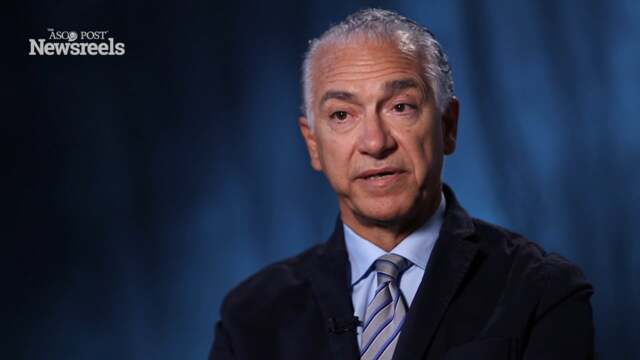
Ugo Pastorino, MD
Ugo Pastorino, MD, of the Istituto Nazionale dei Tumori Foundation, discusses his study, which showed that stopping smoking before or during low-dose computed tomography screening reduced overall mortality by more than 25%, a benefit that is three- to fivefold greater than this type of screening (Abstract PLEN04.07).
Karen Kelly, MD
Karen Kelly, MD, of the University of California, Davis, summarizes three important papers on NSCLC: expression as a predictive biomarker; pembrolizumab, immune-mediated adverse events, and corticosteroid use; and an evaluation of disease-related symptoms in patients treated with nivolumab or docetaxel (Abstracts ORAL 31.01, 31.02, and 31.03).
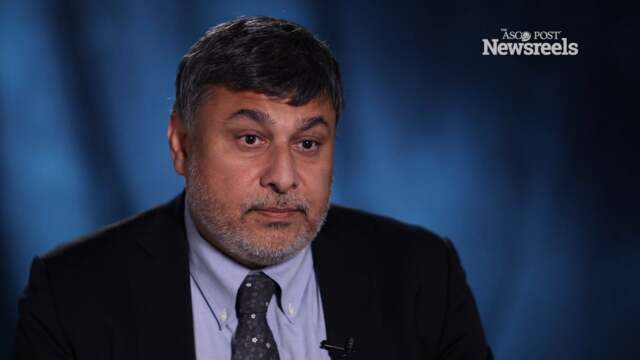
Naiyer A. Rizvi, MD
Naiyer A. Rizvi, MD, of Columbia University, offers an update on immune checkpoint inhibitors in non–small cell lung cancer: what’s new and what’s next.
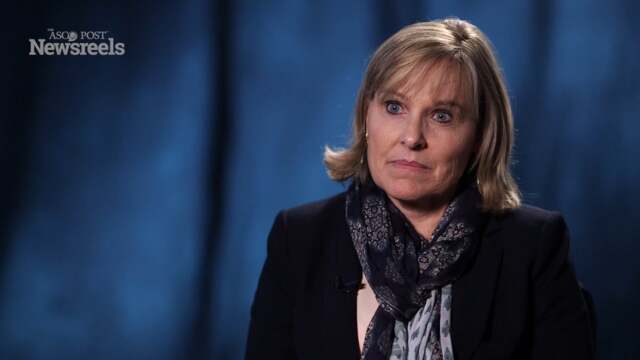
Lorraine Cheryl Pelosof, MD, PhD
Lorraine Cheryl Pelosof, MD, PhD, of UT Southwestern Medical Center, discusses her study findings, which demonstrate an increasing proportion of never-smokers among patients with non–small cell lung cancer (Abstract ORAL 22.01).