Blase Polite, MD, MPP, FASCO, on Transforming the Drug Cost Curve in the United States: Not How But If
First International Summit on Interventional PharmacoeconomicsAdvertisement
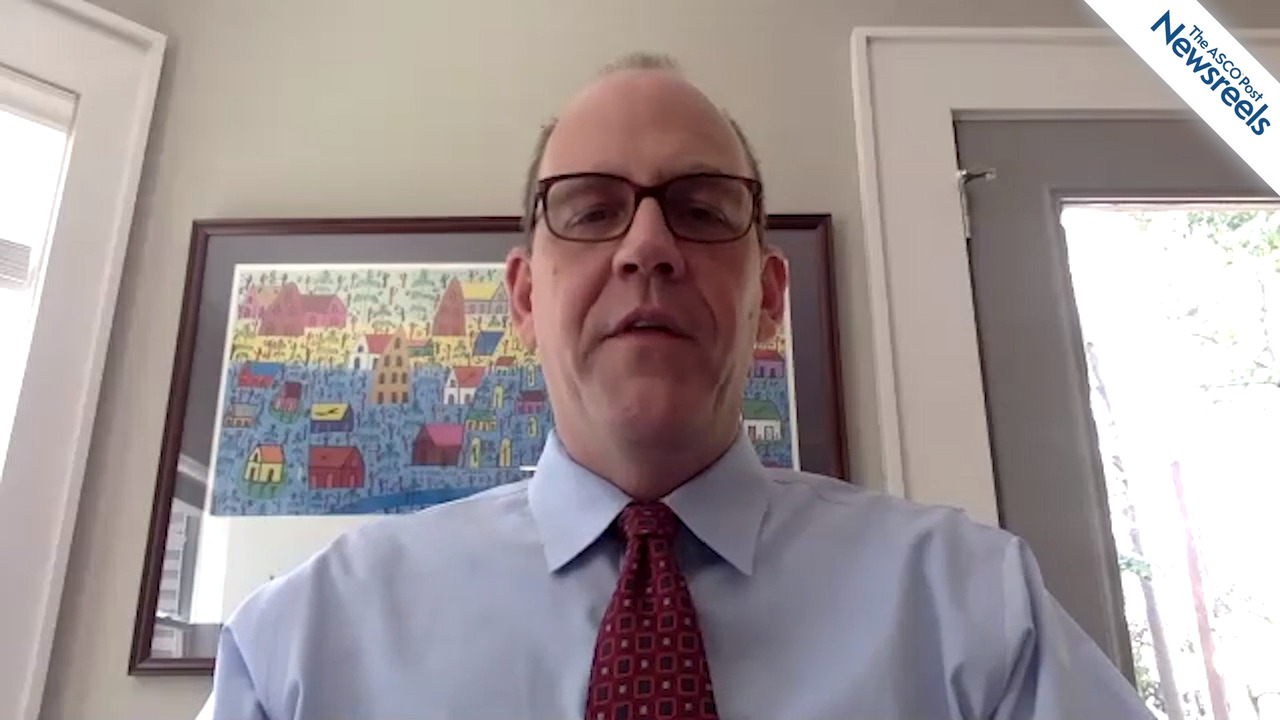
R. Donald Harvey, PharmD, BCOP, FCCP, FHOPA, of Emory University, discusses the ways in which clinical pharmacology can help yield cost savings without sacrificing efficacy by, for example, altering regimens to extend drug supplies, lowering doses, dosing less frequently, or shortening the duration of treatment.

Leonard B. Saltz, MD, of Memorial Sloan Kettering Cancer Center, discusses interventional pharmacoeconomics as an important tool that can offer patients with cancer more efficacious and cost-effective care. Pharmacoeconomics may help reduce the high costs of cancer therapy, with evidence-based reductions in doses that maintain effective treatment.