Charles B. Simone, II, MD, on NSCLC: CTCs as a Biomarker for Early Detection
2017 Multidisciplinary Thoracic Cancers Symposium
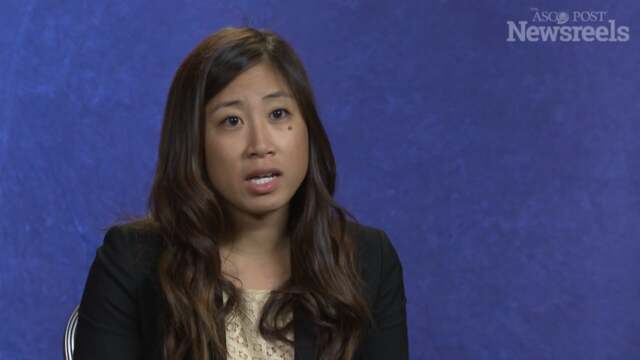
Charles B. Simone, II, MD, of the University of Maryland Medical Center, discusses results from a large prospective study in locally advanced non–small cell lung cancer, which suggest that circulating tumor cells may be a promising biomarker of progressive or recurrent disease and may help guide early salvage treatment strategies (Abstract 3).
Jennifer Ho, MD, of The University of Texas MD Anderson Cancer, discusses study results on the use of intensity-modulated proton therapy, which can provide durable local control with minimal toxicity in patients who can have extended survivals; the data also suggest that higher doses may improve outcomes (Abstract 5).
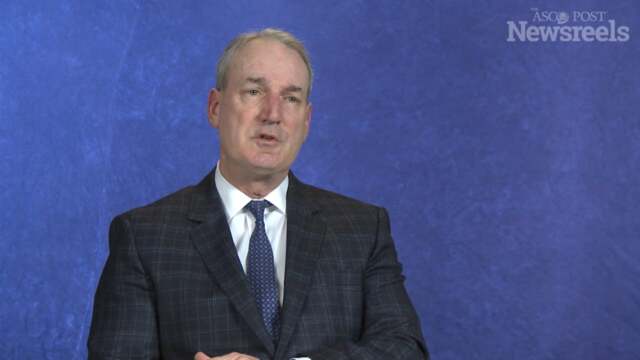
Douglas E. Wood, MD, of the University of Washington, discusses the importance of broad access to and education about lung cancer screening—now approved for people at high risk for the disease—and the need for expanded criteria for screening eligibility.
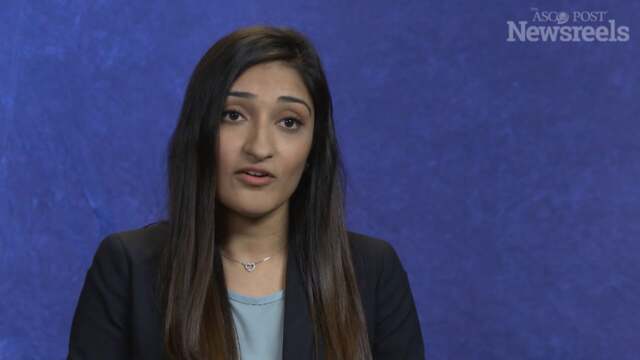
Shraddha M. Dalwadi, MBA, MD Candidate in the class of 2017 at Texas A&M Health Science Center, discusses findings from a SEER database study that showed African Americans and American Indians with stage I non–small cell lung cancer were less likely to receive definitive treatment and had lower odds for survival (Abstract 9).
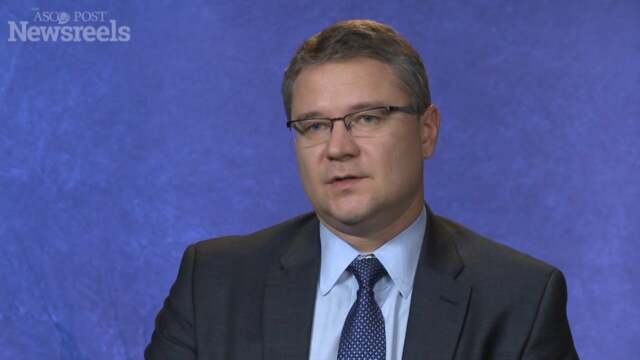
Boris Sepesi, MD, of The University of Texas MD Anderson Cancer Center, discusses immune cells within tumors and the potential role for checkpoint inhibitor therapy in the neoadjuvant setting of locally advanced lung cancer (Abstract 7).
Kamran Ahmed, MD, of the H. Lee Moffitt Cancer Center and Research Institute, discusses results from a small study of pneumonitis in patients who received thoracic radiotherapy within 6 months of anti–PD-1 therapy, anti–PD-L1 therapy, anti–CTLA-4 therapy, or some combination of these drugs (Abstract 10).