
The American Society of Hematology (ASH) presented the Wallace H. Coulter Award for Lifetime Achievement in Hematology to Rainer Storb, MD, during the Society’s Annual Congress held in Orlando. Dr. Storb is Professor Emeritus, Clinical Research Division, at Fred Hutch in Seattle.
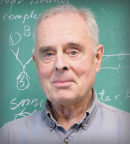
Rainer Storb, MD
First awarded in 2007, the Wallace H. Coulter Award for Lifetime Achievement in Hematology, the Society’s highest honor, recognizes an individual who has demonstrated a lasting commitment to the field of hematology. The Coulter Award is presented to a contemporary giant in the field who has fundamentally changed the way hematology is practiced through research, education, clinical activities, and successful mentoring of the next generation of hematologists.
Physician-Scientist Is Recognized as Pioneer, Leader, and Mentor
Dr. Storb, a physician-scientist, is being recognized for more than 60 years of groundbreaking achievements in hematopoietic stem cell transplantation (HSCT). He was instrumental in the creation and refinement of HSCT, as well as in advancing the understanding and treatment of acute and chronic graft-vs-host disease. His research has helped establish more effective and less toxic transplant approaches.
Dr. Storb’s interest in bone marrow, sparked while a medical student in Germany, led him to the lab of past ASH President and Nobel Laureate E. Donnall Thomas, MD, at the University of Washington, where he contributed to the development of HSCT and its subsequent translation to humans. He and Dr. Thomas led the development of HSCT as a cure for aplastic anemia and other blood disorders, including leukemia, and, together with Dr. Paul Weiden, they were the first to recognize the graft-versus-leukemia effect. This mechanism is responsible for decreasing the likelihood of leukemia relapse following transplant and has paved the way for modern immunotherapies, which have saved countless lives.
One of Dr. Storb’s most notable accomplishments is the development of the non-myeloablative conditioning regimen and transplant, sometimes called the “mini-transplant,” which involves minimal pre-transplant radiation, is less intense than standard transplantation, and depends on the graft-versus-tumor effect. These innovations significantly expanded access to transplants, enabling older and medically frail patients to successfully undergo the procedure.
Dr. Storb is a pioneer, leader, and mentor whose mentees have spearheaded significant advancements in transplant for hematologic disorders. He has previously been recognized for his work with ASH’s Henry M. Stratton Medal (1997), E. Donnall Thomas Lecture and Prize (2005), and Mentor Award (2012).
Ongoing Research
Dr. Storb, in collaboration with his colleague Dr. Brenda Sandmaier, is currently involved in research on targeted radiotherapy to reduce the risk of relapse in patients with hematologic malignancies who have undergone transplant at the Fred Hutchinson Cancer Center.
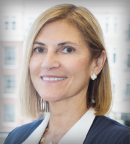
Belinda R. Avalos, MD
“ASH is honored to celebrate hematologists whose contributions and leadership have redefined what is possible in the field,” said Belinda R. Avalos, MD, ASH president, speaking about the Dr. Storb and award recipients in a news briefing just before the Annual Congress. “Collectively, their work has made a significant impact on the lives of patients with blood disorders, leading to more effective treatment options and better overall care.”
