
I was diagnosed with stage IV non-small cell lung (NSCLC) adenocarcinoma on August 1, 2013—World Lung Cancer Day. If it hadn’t been for an article that caught my eye the year before about the recommendation from the United States Preventive Services Task Force that all men aged 65 to 75 who have ever smoked should undergo a one-time ultrasound screening for abdominal aortic aneurysm,1 the cancer probably wouldn’t have been detected until it was too late.The experience made me realize how fragile life is.
The results from the test showed that there was a mass on my liver. Dissatisfied with the information I was getting from multiple physicians, I sought another opinion from Moffitt Cancer Center near my home in Tampa, Florida. There, I received a series of imaging scans and a tissue biopsy of the tumor, which determined that it was a lung cancer metastasis. Additional testing, including a series of imaging scans, finally located the source of the primary malignancy: a cancerous mass in the upper lobe of my left lung. Despite the advanced stage of the cancer, I had no symptoms of having such a life-threatening disease. I never had a cough or experienced shortness of breath even though I was a lifelong smoker.
Surviving Cancer
After comprehensive biomarker testing of the lung cancer tumor failed to identify any known mutations, my oncologist recommended a three-drug regimen of standard-of-care treatment for NSCLC adenocarcinoma, including carboplatin, pemetrexed, and bevacizumab. And while the therapy was initially effective in halting disease progression, 16 months later the cancer began advancing, and I was offered the opportunity to participate in a phase I clinical trial investigating a two-drug combination of the monoclonal antibody checkpoint inhibitors durvalumab and tremelimumab. (Editor’s Note: On November 10, 2022, the United States Food and Drug Administration approved tremelimumab in combination with durvalumab and platinum-based chemotherapy for adult patients with metastatic NSCLC with no sensitizing epidermal growth factor receptor [EGFR] mutation or anaplastic lymphoma kinase [ALK] genomic tumor aberrations.2)
When I was diagnosed, I was determined to be proactive in my care, and my entire medical team encouraged—and welcomed— my involvement. I believe being an educated patient has been crucial in my positive outcome.— ED CUTLER
Tweet this quote
Although the therapy was effective in reducing the size of the tumors in my lung and liver significantly, it was so toxic, I was hospitalized for 10 days with severe colitis, and requested to be removed from the trial. Fortunately, Moffitt had launched a different single-site phase I clinical trial of the investigational oral immunotherapy taminadenant (PBF509), a selective inhibitor of the adenosine A2A receptor. The drug has been so effective in treating the cancer, the mass in my liver has completely disappeared, and the tumor in my lung is so stable, my oncologist isn’t sure if it’s still active. I’m now on maintenance taminadenant, and tolerate it well, the only potential side effect I’ve experienced is fatigue, although I’m not sure if it’s caused by the drug or just normal aging.
Banishing the Stigma of Lung Cancer
After my initial diagnosis of NSCLC and throughout my first line of therapy, I stopped smoking, but took it up again when the therapy failed. I finally gave up cigarettes for good after enrolling in a smoking cessation program before starting my second-line of therapy, and I have to admit, I don’t miss smoking at all.
When I was diagnosed, and even now 12 years later, the first question people ask me when they learn I have lung cancer is if I smoked cigarettes. Not, “How are you doing, are you feeling alright?” No cancer survivor should feel blame or shame for their disease. Hearing the words “You have cancer,” and facing an uncertain future is difficult enough without having to carry the extra burden of stigma.
To help other patients going through a cancer diagnosis and to raise awareness of the importance of cancer screenings, I’ve become a volunteer in Moffitt’s Patient and Family Advisory Program. The work is rewarding, and I’m thrilled to give back to the community that has given me back my life.
Being a Self-Advocate
I’ve been fortunate to have a medical team that has made me a partner in every decision about my care. When I was diagnosed, I was determined to be proactive in my care, and my entire medical team encouraged—and welcomed—my involvement. I believe being an educated patient has been crucial in my positive outcome.
When I talk with patients going through treatment for lung cancer, I remind them to never give up and to be a self-advocate in their care. There has been so much progress made in more effective treatment, not just for lung cancer, but for many other difficult cancers, that is allowing patients like me with advanced disease to live a high-quality life.
I’ve survived cancer for 12 years. Every day is a bonus. And I don’t waste any of them.
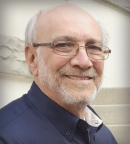
Ed Cutler, 80, lives in Tampa, Florida.
Editor’s Note: Columns in the Patient’s Corner are based solely on information The ASCO Post received from patients and should be considered anecdotal.
REFERENCES
1. U.S. Preventive Services Task Force: Final Recommendation Statement: Available at https://www.uspreventiveservicestaskforce.org/uspstf/recommendation/abdominal-aortic-aneurysm-screening. Accessed November 17, 2025.
2. FDA: FDA approves tremelimumab in combination with durvalumab and platinum-based chemotherapy for metastatic NSCLC. Available at www.fda.gov/drugs/resources-information-approved-drugs/fda-approves-tremelimumab-combination-durvalumab-and-platinum-based-chemotherapy-metastatic-non. Accessed November 17, 2025.
