
We read with interest the commentary by Stuart Lichtman, MD, FASCO,on “Advancing Geriatric Oncology: Where We Have Been and Where We Are Going,“ in the October 25, 2025 issue of The ASCO Post.1 Dr. Lichtman outlines the challenges in delivering cancer care to the elderly population. Among these challenges are the rising cost of care and selecting therapies with favorable risk/benefit profiles to reduce toxicity and improve quality of life. Dr. Lichtman emphasizes quality of life, pointing out that the elderly may value reduced toxicity as much, if not more, than prolonged survival. We are writing to endorse that perspective.
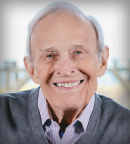
Paul Schellhammer, MD
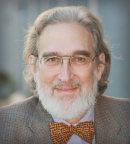
Richard Wassersug, PhD
We are both prostate cancer patients, ages 79 and 85, receiving androgen deprivation therapy (ADT) for recurrent/metastatic carcinoma of the prostate. We both independently switched to transdermal estradiol for our ADT two decades ago after initiating ADT with leuteinizing hormone-releasing hormone (LHRH) agonists. The switch provided relief from the burdensome side effects of the LHRH agonists. We subsequently continue on transdermal estradiol because of the overall better quality of life. We are grateful for how transdermal estradiol has protected us from the cognitive impairment, disrupted sleep, hot flashes, and osteoporotic fractures that plague patients with prostate cancer who receive the standard LHRH agonist and antagonist medications.
We both elected ADT with transdermal estradiol even though there were no published data on long-term survival. However, evidence-based medicine via the PATCH/STAMPEDE trials [NCT00303784, NCT00268476, respectively] has now shown that transdermal estradiol provides patients with survival equal to the standard LHRH drugs. There was no signal of increase in cardiovascular or thromboembolic toxicities. Those results were presented in the last year at several medical oncology meetings including ASCO, and we believe these will soon will be published in the peer-reviewed literature.
Dr. Lichtman concludes his essay expressing frustration with the lack of interest from the pharmaceutical industry in promoting therapies for elderly people with cancer. Indeed, estradiol is so inexpensive that we are aware of no drug companies seeking licensing of transdermal estradiol products as options for androgen suppression. Thus, we receive our prescriptions off-label.
In sum, our use of transdermal estradiol for ADT exemplifies Dr. Lichtman’s thesis that certain elderly individuals with cancer indeed give highest priority to quality of life. We are also very pleased that transdermal estradiol has proven beneficial for both of us for so long, consistent with the PATCH/STAMPEDE trials’ findings on survival.
We share with Dr. Lichtman his frustration with pharma. We encourage ASCO to support making transdermal estradiol an ADT option for patients with prostate cancer who now are increasingly surviving into the geriatric age range. ASCO’s support could be crucial in moving transdermal estradiol toward a standard of care option for patients with prostate cancer in need of androgen suppressing medication.
—Paul Schellhammer, MD, FACS
Professor Emeritus, Urology
Macon and Joan Brock Virginia Health Sciences
Eastern Virginia Medical School, Norfolk, Virginia
—Richard Wassersug, PhD
Honorary Professor, Faculty of Medicine
Department of Cellular and Physiological Sciences
University of British Columbia, Vancouver, British Columbia, Canada
REFERENCE
1. Lichtman SM: Advancing geriatric oncology: Where we have been and where we are going. The ASCO Post, October 25, 2025. Available at https://ascopost.com/issues/october-25-2025/advancing-geriatric-oncology-where-we-have-been-and-where-we-are-going/. Accessed November 18, 2025.
