
There is something deeply moving about watching hope take shape, not as a slogan or a speech, but as people coming together to build the cancer care Africa deserves. The African Organization for Research and Training in Cancer (AORTIC) 2025 Congress in Tunisia held in November was a vivid reminder of why we gather: not just to share research or policies, but to share purpose.
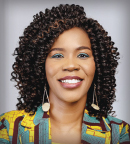
Africa has the expertise to map its own future, but progress requires harmonized regulation, continental coordination, and a commitment to ethics and equity.— Miriam Mutebi, MD, MSc, FACS
Tweet this quote
From the opening ceremony, where I stood alongside the representative of the Minister and Director of Public Health, the atmosphere was electric, charged with curiosity, courage, and collaboration. Every exchange throughout the first day carried a shared conviction: Africa’s strength lies not only in its systems but in its people, partnerships, and persistence.
A Shared Purpose Across Borders
Delegates from across the continent and beyond converged with one voice, namely to make cancer care safe, timely, and equitable for all Africans. Their patience and presence formed the heartbeat of the conference. As the discussions unfolded, it became clear that what we were building extended beyond medicine. It was about hope. It was about dignity. It was about all of us.
Re-Centering Humanity in Cancer Care
If day one reflected Africa’s momentum, day two reaffirmed our mission. The morning began before sunrise at the President’s Breakfast, setting the tone with three themes: collaboration, continuity, and collective responsibility.
The day’s first session, “Health as an Investment,” co-facilitated by Roche Africa, asked a question Africa doesn’t ask often enough, what does it truly mean to invest in health? The dialog moved beyond budget lines to explore how investment across the continuum from cancer prevention to survivorship fuels not only economic growth but social transformation. The conclusion was unmistakable: health investment is not a cost but a catalyst.
Access to medicines also took center stage. Under the facilitation of Dr. Yehoda Martei and the Medicines Patent Pool, participants examined how procurement, regulation, and regional collaboration must evolve to ensure sustainable access to cancer therapies.
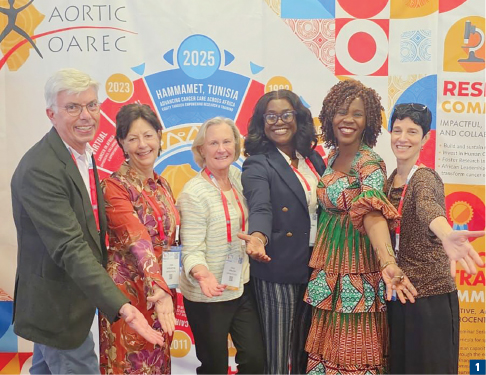
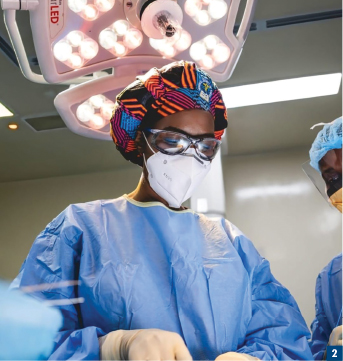
Another highlight was the AORTIC–ASCO Symposium, where experts examined quality of care and the urgency of expanding implementation science across Africa. The launch of The Lancet Oncology Commission’s report, “The Human Crisis in Cancer,” added further depth. Panelists, including Dr. Nirmala Bhoo-Pathy and Dr. Samiratou Ouedraogo, grappled with a central challenge: how to deliver compassionate, dignified care in overstretched systems.
Throughout the day, one message resonated: it is time to recenter humanity in care. Technology and systemic pressures risk overshadowing empathy, yet Africa’s greatest superpower remains its sense of community, its Ubuntu: “I am because we are.”
Key takeaways included the need to:
- Rebuild empathy as a clinical skill.
- Design patient-centered systems grounded in culture and context.
- Recognize the power of language in shaping care.
- Ensure that every patient is seen, heard, and respected.
From Policy to Practice
Day three brought perhaps the hardest question of all: How do we turn global policy into real care, real access, and real change for African patients?
Under the theme “From Policy to Practice,” Her Excellency Dr. Zainab Shinkafi-Bagudu, President-Elect of the Union for International Cancer Control, emphasized that policy only matters when it becomes actionable and accountable.
Several lessons stood out:
- Rwanda’s lesson to the world: Dr. Theoneste Maniragaba detailed how the country achieved 97% HPV vaccination coverage through integration, insurance, and intentionality.
- Reality on the ground: Dr. Rugengamanzi Eulade shared the daily challenges, including stockouts (when supply is depleted) and access gaps that continue to hinder care delivery.
- Bridging policy and clinic: Dr. Gladwell Kiarie explained how professional associations help carry policies from cabinet rooms to clinic floors.
- Civil society’s role: Advocate Prisca Githuka emphasized the importance of ensuring people with lived experience help hold systems accountable.
I also visited the AORTIC–Africa Journal booth and joined World Radiotherapy Day collaborators before contributing to AORTIC’s first-ever Open Town Hall on the future of African cancer research. The message was clear: Africa must own its research agenda.
We celebrated AORTIC’s first POHER Scholar, Dr. Nshuti Materne Kayumba, who will rotate across special interest groups and help lead the Young African Leaders in Oncology network.
Dr. Abiola Ibraheem and I co-facilitated the final scientific session of day three, during which several truths emerged: Africa has the expertise to map its own future, but progress requires harmonized regulation, continental coordination, and a commitment to ethics and equity.
Celebrating Culture, Connection, and New Beginnings
The annual conference dinner on the evening of day three was more than a social gathering; it reflected AORTIC’s heartbeat—its people. The friendships, shared purpose, and joy among colleagues who see each other only every 2 years brought renewed energy. Day three ended with the music, color, and generosity of Tunisian culture, and then day four began with something quieter yet powerful: reflection. The kind that pulls you back to your “why,” not your schedule. Day four at AORTIC 2025 reminded us that conferences end, but movements do not. What we build must live beyond rooms and applause, within our systems, societies, and people.
Strengthening Local Societies: Where the Work Lives
The final sessions turned inward toward the societies that carry the daily weight of cancer care across Africa. Leaders from groups including the Ethiopian Society of Hematology and Oncology and Kenya Society of Haematology & Oncology shared insights on how AORTIC can better support, stand with, and amplify their work.
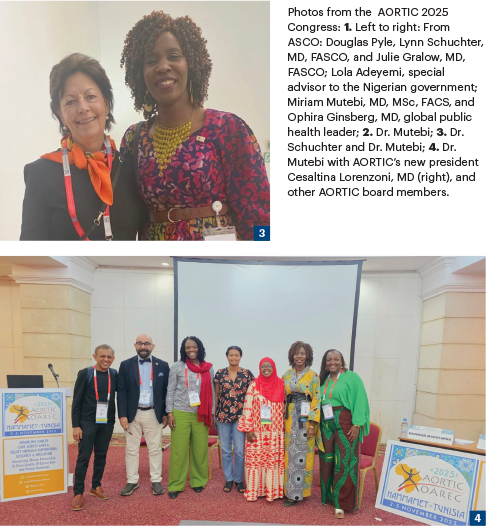
Dr. Sitna Ali Mwanzi highlighted the partnerships essential for real, lasting impact: IARC and WHO for policy alignment, clinician networks such as AFROG for capacity building, and supply-chain collaborations including POHER. Her message was clear: our strength is continental, but our impact is local.
From this momentum emerged a new AORTIC Africa Special Interest Group (SIG): “Innovations, Access to Innovations and Technologies.” This SIG was built on the belief that African patients deserve timely access to the world’s best therapies—and that Africa must build the frameworks to make that possible.
The Innovations, Access to Innovations and Technologies SIG will:
- Map and monitor access to new therapies and technologies.
- Engage regulators, policymakers, and industry.
- Support policy harmonization with the African Medicines Agency.
- Build capacity and knowledge exchange across regions.
- Ensure African professionals shape global innovation agendas as contributors—not bystanders.
Continuity and Hope
The closing ceremony was filled with gratitude and hope as we celebrated a new Council and welcomed incoming President Cesaltina Lorenzoni. Leadership passed to new hands, but AORTIC’s spirit remains constant: it is resilient, collaborative, and deeply committed to the people we serve. As AORTIC 2025 closed, one truth stood out: Africa is not waiting for change, it is creating it. Through empathy, evidence, and equity, the continent is redefining what cancer care can look like when grounded in humanity and hope.
Miriam Mutebi, MMed, MSc, FACS, is a consultant breast surgical oncologist and Assistant Professor in the Department of Surgery at the Aga Khan University Hospital in Nairobi, Kenya. She is also a clinical epidemiologist and health systems researcher with a research focus on understanding barriers to access for women with cancers in Sub-Saharan Africa and in designing interventions to mitigate those barriers.
She is the Immediate Past President of AORTIC, Past President for the Kenya Society of Hematology and Oncology, and on the Board of Directors of the Union for International Cancer Control. She is also the Co-Founder of the Pan African Women’s Association of Surgeons, which was developed to mentor and provide transformative leadership for women in surgery in order to improve surgical care and pathology on the continent.
