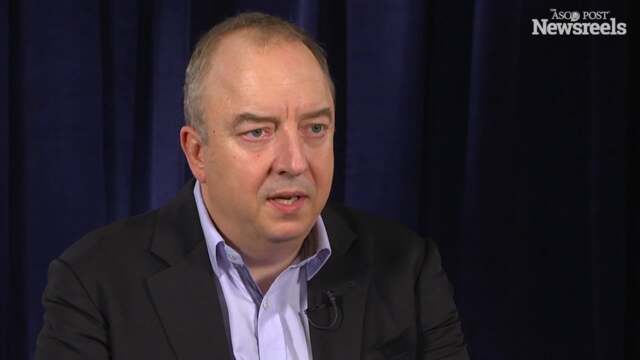
Clifford Hudis, MD, and William Gradishar, MD: Expert Perspective
2015 San Antonio Breast Cancer Symposium
Clifford A. Hudis, MD, of Memorial Sloan Kettering Cancer Center, and William J. Gradishar, MD, of the Lurie Comprehensive Cancer Center, discuss the most important papers and results at this year's San Antonio Breast Cancer Symposium.
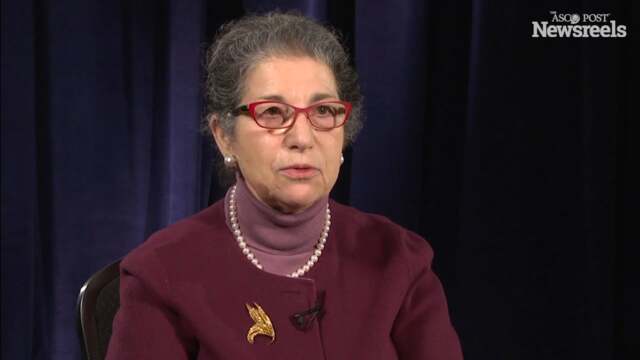
Patricia A. Ganz, MD
Patricia A. Ganz, MD, of the University of California at Los Angeles, discusses this clinical trial of anastrozole vs tamoxifen in postmenopausal women with ductal carcinoma in situ undergoing lumpectomy plus radiotherapy (Abstract S6-04).
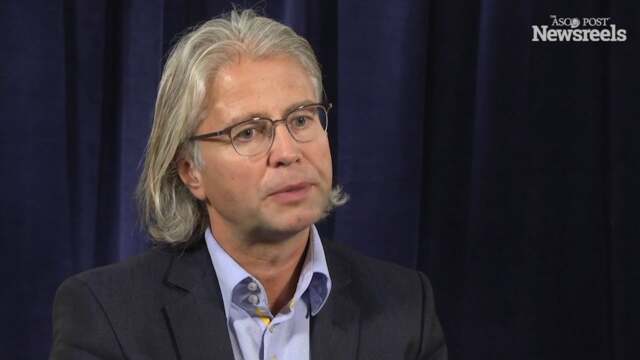
Gunter von Minckwitz, MD
Gunter von Minckwitz, MD, of the German Breast Group, discusses data from this phase II trial investigating the addition of carboplatin to neoadjuvant therapy for triple-negative and HER2-positive early breast cancer (Abstract S2-05).
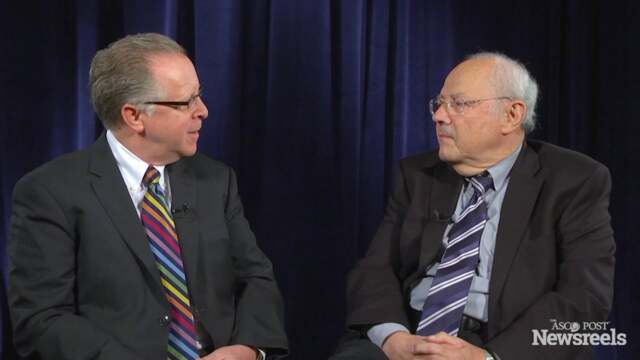
Andrew Seidman, MD, and Norman Wolmark, MD
Andrew Seidman, MD, of Memorial Sloan Kettering Cancer Center, and Norman Wolmark, MD, of Allegheny General Hospital, discuss the landmark trials of NSABP that have led to profound changes in breast cancer treatment. (Abstract ML-1)
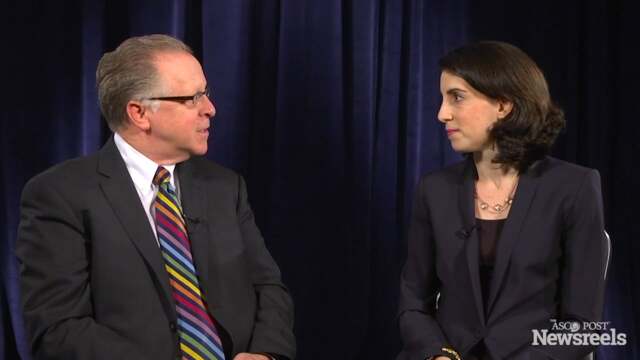
Andrew Seidman, MD, and Erica L. Mayer, MD, MPH
Andrew Seidman, MD, of Memorial Sloan Kettering Cancer Center, and Erica L. Mayer, MD, MPH, of the Dana-Farber Cancer Institute, discuss this phase 3 trial of palbociclib with adjuvant endocrine therapy vs endocrine therapy alone for HR-positive/HER2-negative early breast cancer. (Abstract OT1-03-21)
Michael Gnant, MD
Michael Gnant, MD, of the Medical University of Vienna, discusses a study in which denosumab was added to adjuvant aromatase inhibitor therapy to improve disease-free survival in postmenopausal patients with early-stage, hormone receptor–positive breast cancer (Abstract S2-02).