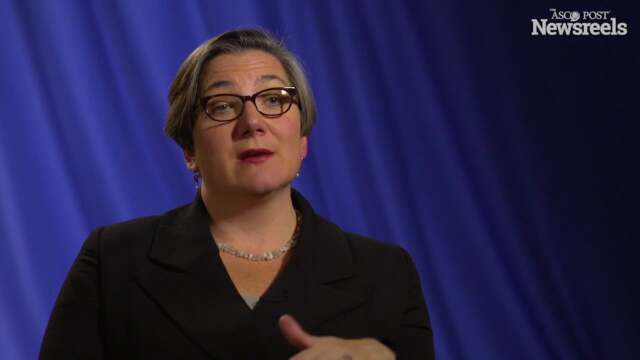
Kathleen Foley, MD, on Palliative Care in Low-Resource Settings
2015 Palliative Care in Oncology Symposium
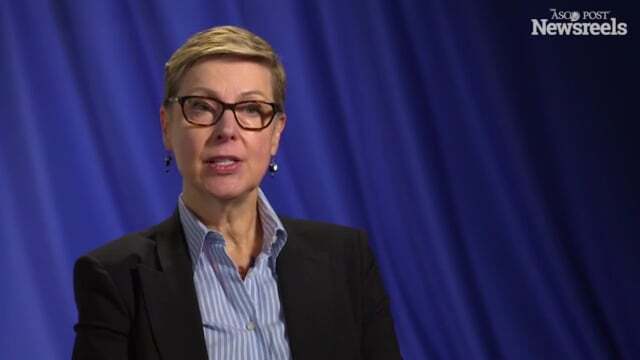
Kathleen Foley, MD, of Memorial Sloan Kettering Cancer Center, discusses the challenges of integrating palliative care in areas without sufficient resources or health-care infrastructure.
Judith Paice, PhD, RN
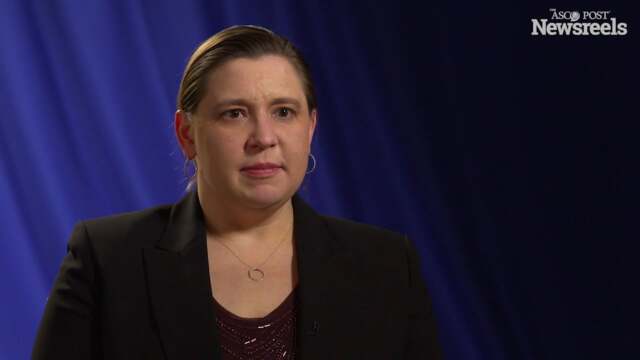
Judith Paice, PhD, RN, of Northwestern University, reviews the current principles on assessing and treating neuropathic pain in cancer.
Kathleen Elizabeth Bickel, MD, MPhil
Kathleen Elizabeth Bickel, MD, MPhil, of the White River Junction VA Medical Center, discusses the ASCO/AAHPM Guidance Statement, which will help oncology providers enhance their delivery of palliative care (Abstract 108).
Judith Vick, MD Candidate, and Rachelle E. Bernacki, MD
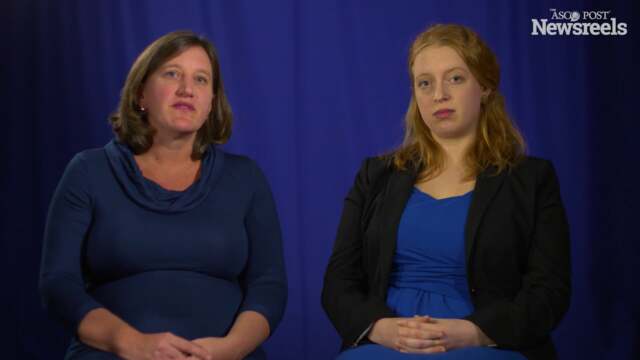
Judith Vick, MD Candidate, of Johns Hopkins University School of Medicine, and Rachelle E. Bernacki, MD, of Dana-Farber Cancer Institute, discuss a tool that could help clinicians identify seriously ill patients who would benefit from conversations about their goals and values (Abstract 8).
Eric Roeland, MD
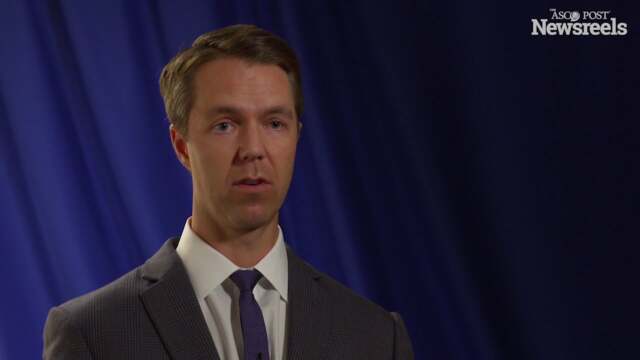
Given the challenges of recruiting patients for palliative care studies, Eric Roeland, MD, of the University of California, San Diego, discusses a way to increase the participation of those with cachexia, with the hope of improving treatment (Abstract 67).
Vicki Jackson, MD, MPH
Vicki Jackson, MD, MPH, of Massachusetts General Hospital, summarizes her keynote lecture (plenary talk).