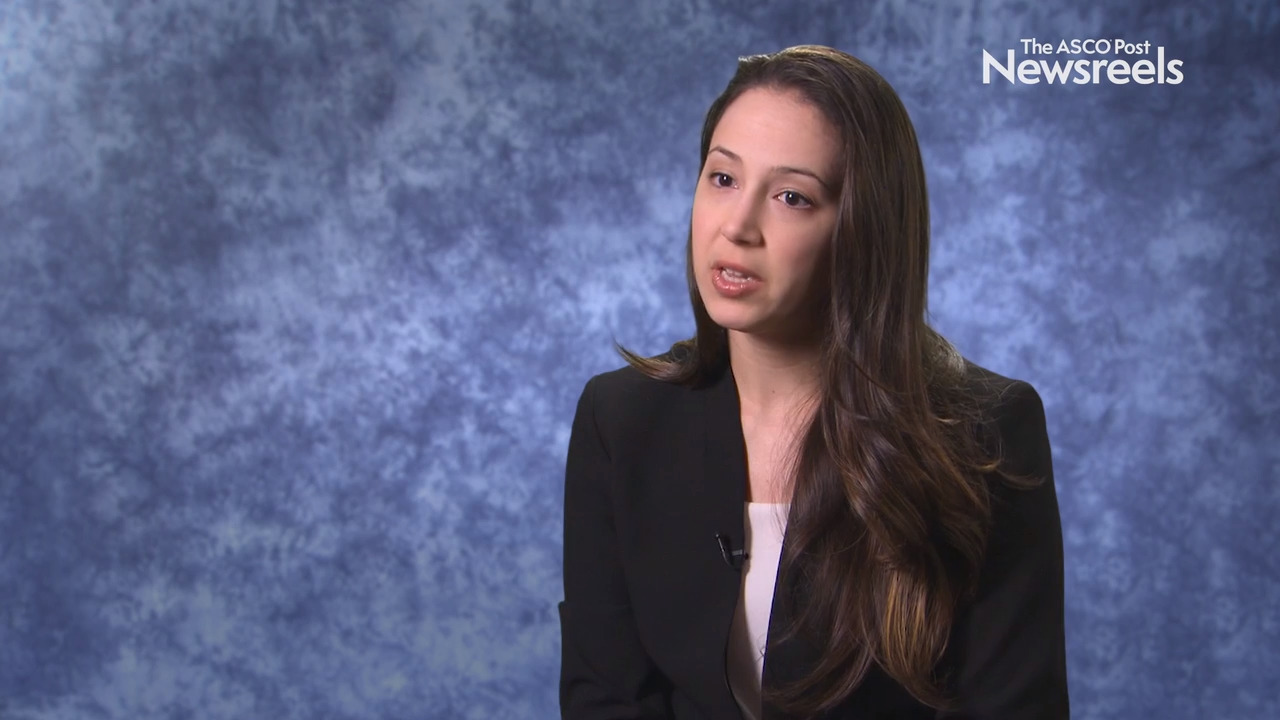
Lauren M. Hamel, PhD, on Race and Doctor-Patient Behavior
2019 Quality Care Symposium
Lauren M. Hamel, PhD, of Wayne State University/Karmanos Cancer Institute, discusses her findings on the ways in which nonverbal behavior between doctors and patients of the same or different races can affect their relationship, quality of communication, and ultimately, perhaps outcomes as well (Abstract 169).
Karen M. Winkfield, MD, PhD, of the Wake Forest Baptist Medical Center, discusses cultural factors that contribute to cancer care disparities, the role of national policy in addressing inequities in access to care, and what local institutions can do to improve the situation.
Matthew B. Schabath, PhD, of H. Lee Moffitt Cancer Center and Research Institute, discusses the disparities in cancer care among members of the LGBTQ community and the need to collect more data in order to close that gap.
Cary P. Gross, MD, of Yale School of Medicine, discusses the challenges of implementing pathways and guiding patient decision-making on treatment.
Bernardo H. L. Goulart, MD, of Seattle Cancer Care Alliance, discusses his findings that high out-of-pocket costs for oral tyrosine kinase inhibitors may lower survival rates, shorten the duration of therapy, and reduce the number of prescriptions for patients with metastatic EGFR- or ALK-positive non–small cell lung cancer (Abstract 3).
Cristina Merkhofer, MD, MHS, of Fred Hutchinson Cancer Research Center, discusses study results showing that for patients with metastatic non–small cell lung cancer at her institution, enrolling in a therapeutic drug clinical trial was associated with a 47% lower risk of death, compared with not taking part in a trial (Abstract 137).