Nancy Davidson: Serendipity and Purpose (with Allen S. Lichter, MD)
2018 ASCO Annual Meeting
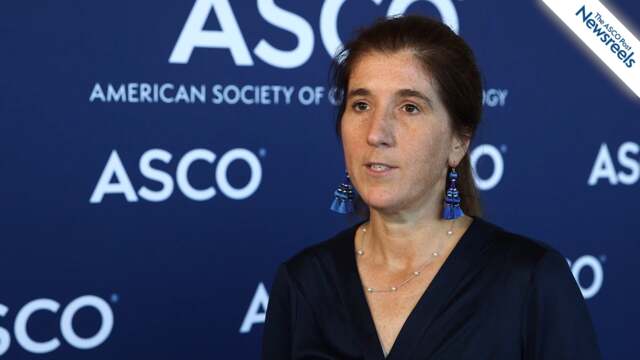
Allen S. Lichter, MD, ASCO’s former Chief Executive Officer, talks with Nancy E. Davidson, MD, of Fred Hutchinson Cancer Research Center, the 2018 recipient of the Visionary Leader Award, named for Dr. Lichter.
Sumanta K. Pal, MD, of City of Hope, and A. Oliver Sartor, MD, of Tulane University School of Medicine, discuss the implications of findings on black and white patients with metastatic castrate-resistant prostate cancer treated with abiraterone acetate and prednisone (Abstract LBA5009).
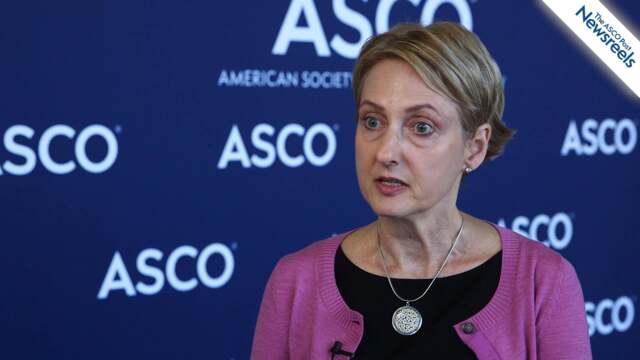
Kathleen N. Moore, MD, of the University of Oklahoma Health Sciences Center, discusses phase II study findings on niraparib in patients with relapsed ovarian cancer who have received three or more prior chemotherapy regimens (Abstract 5514).
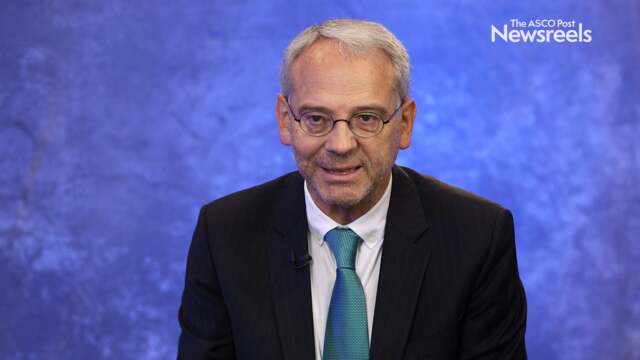
Thierry Conroy, MD, of the Institut de Cancérologie de Lorraine, discusses phase III study findings on adjuvant mFOLFIRINOX vs gemcitabine in patients with resected pancreatic ductal adenocarcinomas (Abstract LBA4001).
Laurie Helen Sehn, MD, MPH, of the British Columbia Cancer Centre for Lymphoid Cancer, discusses phase II study findings on polatuzumab vedotin with bendamustine and rituximab in relapsed or refractory follicular lymphoma and diffuse large B-cell lymphoma (Abstract 7507).
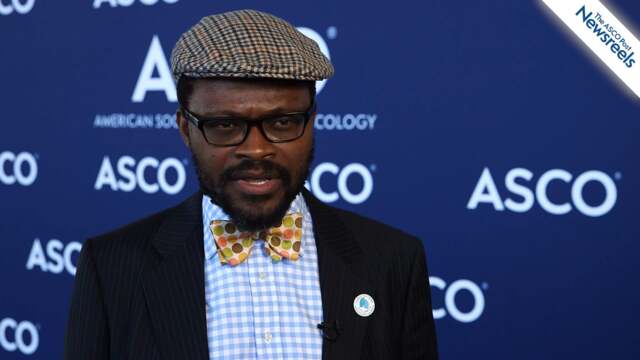
Raymond U. Osarogiagbon, MBBS, of Baptist Cancer Center, discusses a kit used in non–small cell lung cancer resection that improves staging quality and overall survival without adding to morbidity of curative surgery (Abstract 8502).