Tanaya Shree, MD, PhD, on DLBCL Survivors: Long-Term Effects
2017 ASH Annual Meeting
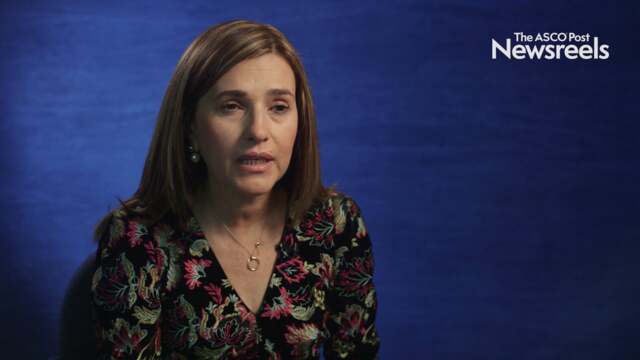
Tanaya Shree, MD, PhD, of Stanford University Medical Center, discusses findings from a large population-based study suggesting lasting effects of lymphoma and its treatments: an increased incidence of autoimmune and infectious diseases (Abstract 198).
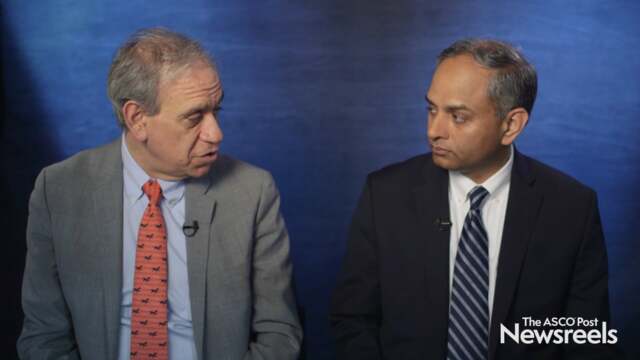
Andrew D. Zelenetz, MD, PhD, of Memorial Sloan Kettering Cancer Center, and Sattva S. Neelapu, MD, of The University of Texas MD Anderson Cancer Center, discuss long-term study findings on axicabtagene ciloleucel in patients with refractory aggressive non-Hodgkin lymphoma (Abstract 578).
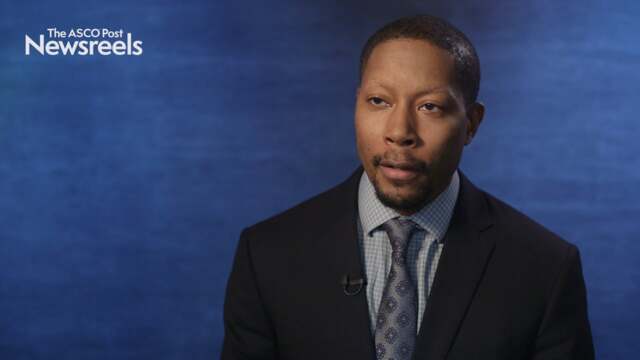
Tycel J. Phillips, MD, of the University of Michigan Medical School, discusses the findings of the largest retrospective study to date of patients with intravascular diffuse large B-cell lymphoma, a disease with a poor outcome, partly due to the difficulty in diagnosing it early (Abstract 377).
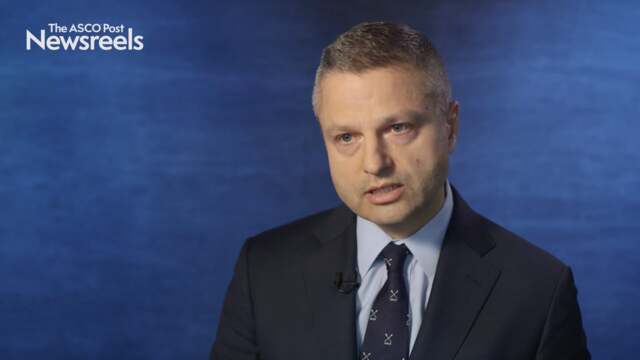
Jakub Svoboda, MD, of the Abramson Cancer Center, University of Pennsylvania, discusses some encouraging phase I/II results on brentuximab vedotin with R-CHP chemotherapy as front-line treatment of CD30-positive primary mediastinal large B-cell, diffuse large B-cell, and gray zone lymphomas (Abstract 191).
Maria-Victoria Mateos, MD, PhD, of the University Hospital of Salamanca, discusses phase III study findings on daratumumab plus bortezomib, melphalan, and prednisone vs bortezomib, melphalan, and prednisone in patients ineligible for transplant who have been newly diagnosed with multiple myeloma (Abstract LBA-4).
Gilles A. Salles, MD, PhD, of the Université de Lyon, discusses study findings on rituximab maintenance after induction immunochemotherapy and the significant long-term progression-free survival benefit over observation (Abstract 486).